





Traditional Chinese medicine in pregnancy
On this page
- Overview
- Early pregnancy
- Acupuncture throughout pregnancy
- Late pregnancy and birth
- Postnatal care
- Healthy pregnancy course
- Related pages
1. Overview
Acupuncture and Chinese herbal medicine have been used throughout pregnancy for thousands of years. They offer safe, effective, drug-free treatment for a wide range of pregnancy-related problems — from morning sickness in the first trimester to birth preparation and postnatal recovery. Crucially, acupuncture can also help to maintain and protect the pregnancy itself, particularly for women who have experienced miscarriage or who have conceived through IVF.
I am Dr (TCM) Attilio D'Alberto, a fertility and pregnancy specialist practising in Wokingham, Berkshire. I have supported hundreds of women through pregnancy — including those with complex histories, those recovering from a difficult fertility journey, and those simply seeking natural, evidence-based support. I am the author of My Pregnancy Guide, a comprehensive self-help book covering all stages of pregnancy and labour.
Acupuncture is safe throughout all trimesters of pregnancy when performed by a qualified practitioner. Certain acupuncture points are avoided during pregnancy — I am trained and experienced in pregnancy acupuncture and always apply appropriate precautions. Read more about acupuncture safety ›
2. Early pregnancy
Early signs of pregnancy
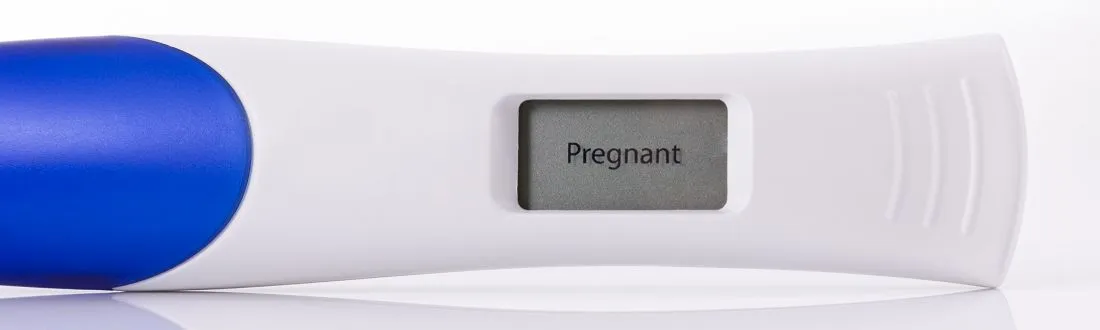
Many women experience symptoms of pregnancy before they take a test. The most common early signs include tiredness, bloating, breast tenderness, twinges and cramps in the lower abdomen, increased cervical mucus, heightened sensitivity to smells, and raised body temperature. Not all women experience the same symptoms, and their absence does not mean a problem with the pregnancy. My guide lists and explains over 70 early signs of pregnancy in detail, with TCM explanations for why each occurs. Read more: Early signs of pregnancy ›
Early pregnancy acupuncture support
For women who have been through fertility treatment, experienced previous miscarriage, or who have conditions such as low AMH, PCOS or a history of repeated IVF failure, I recommend continuing acupuncture in the first trimester and ideally to 20 weeks. Acupuncture in early pregnancy supports implantation, increases blood flow to the developing placenta, regulates immune factors that can threaten the pregnancy, reduces anxiety, and lowers the risk of miscarriage. For higher-risk pregnancies — those achieved with donor eggs or embryos, or where the mother is over 40 — I recommend acupuncture throughout the whole pregnancy.
Even for women without a complex history, acupuncture in the first trimester can help manage the physical symptoms of early pregnancy, support energy levels, reduce anxiety and establish a foundation for a healthier pregnancy overall. Read more: Pregnancy acupuncture ›
Morning sickness
Around 70% of pregnant women experience nausea and vomiting in pregnancy, most commonly in the first trimester. For most women this is an uncomfortable but manageable part of early pregnancy; for a small number (0.5–2%) it escalates to hyperemesis gravidarum (HG) — severe, persistent vomiting that requires medical attention.
Acupuncture at the pericardium point PC6 (Neiguan) has been studied extensively for pregnancy nausea and is one of the most evidence-supported uses of acupuncture in pregnancy. Research has demonstrated significant reductions in nausea and vomiting with acupuncture treatment, including auriculotherapy (ear acupuncture). I tailor each treatment to the individual's pattern of morning sickness and can also advise on acupressure techniques and dietary adjustments to manage symptoms between sessions. Read more: Morning sickness ›
3. Acupuncture throughout pregnancy
Pregnancy acupuncture
Acupuncture can be used safely at any stage of pregnancy to treat a wide range of conditions that are difficult to manage with medication. Women who are pregnant are understandably cautious about taking drugs — many medications are contraindicated in pregnancy — and acupuncture offers an effective, drug-free alternative for many common complaints.
Conditions I commonly treat with acupuncture in pregnancy include:
- Nausea and vomiting (morning sickness)
- Fatigue and exhaustion
- Back pain, pelvic girdle pain and sciatica
- Headaches and migraines
- Heartburn and digestive problems
- Insomnia and anxiety
- Oedema (swelling)
- High blood pressure
- Carpal tunnel syndrome
- Threatened miscarriage
- Foetal growth restriction
Read more: Pregnancy acupuncture ›
Pregnancy pain
Many women experience significant pain during pregnancy — back pain, pelvic girdle pain, sciatica, hip pain, symphysis pubis dysfunction (SPD) and more. In pregnancy, the usual first line of pain relief (paracetamol) has been associated with adverse effects in male foetuses, and stronger medications are contraindicated. Acupuncture offers effective, safe pain relief without any risk to the baby.
I use specific acupuncture points on the legs and lower back to treat pregnancy pain, always avoiding the abdomen and contraindicated points. Research in 2,038 women from ten randomised controlled trials found that acupuncture significantly reduced labour pain compared with placebo and with no treatment. Read more: Pregnancy pain ›
Chinese herbs in pregnancy
Chinese herbal medicine can be prescribed safely during pregnancy when formulated by a qualified herbalist who is experienced in pregnancy care. Herbs are selected and dosed differently in pregnancy compared to outside it — certain herbs that are used routinely in fertility treatment are modified or omitted, while other herbs are added to specifically support foetal development and maternal health.
Chinese herbs in pregnancy can be used to support the pregnancy itself (particularly in the first trimester for women with a history of miscarriage), to improve sleep, manage stress, treat digestive problems and nausea, support the baby's growth, and address conditions such as anaemia, fatigue and hormonal changes. I would always recommend purchasing herbs through a qualified herbalist rather than over the counter during pregnancy. Read more: Chinese herbs in pregnancy ›
4. Late pregnancy and birth
Pre-birth acupuncture
Pre-birth acupuncture is a course of treatment that begins at 35 weeks of pregnancy and continues until the baby is born. Its aim is to prepare the body for labour — ripening the cervix, encouraging the baby into an optimal position, and tonifying the mother's qi and blood reserves in preparation for the effort of labour.
Research from a review of ten randomised controlled trials involving 2,038 women found that acupuncture significantly reduced labour pain compared with placebo and with no treatment. Women receiving acupuncture during labour also required fewer analgesic drugs than those receiving only conventional analgesia. Pre-birth acupuncture is available weekly from 35 weeks, with points adjusted to bring on labour naturally if the due date is reached or exceeded. Read more: Pre-birth acupuncture ›
Breech baby
Around 3–4% of babies remain in a breech (bottom-down) position at term. A breech presentation usually means a planned caesarean section unless the baby turns before delivery. Moxibustion — the burning of dried mugwort (Ai Ye) close to the acupuncture point BL67 on the little toe — has been used in traditional Chinese medicine for centuries to encourage breech babies to turn to a head-down position. It is typically applied between 34 and 38 weeks of pregnancy.
Research has confirmed the effectiveness of moxibustion at BL67 for correcting breech presentation. A randomised clinical trial and a systematic review and meta-analysis have both found that moxibustion significantly increased the rate of cephalic (head-down) presentation and natural delivery at term. I can perform moxibustion in clinic and teach the technique for home use between sessions. Read more: Moxibustion for breech baby ›
Natural labour induction
Pregnancy normally lasts between 37 and 42 weeks. Only around 5% of babies arrive on their estimated due date. If labour has not begun by 40–41 weeks, many women are offered medical induction — a process that is not always straightforward and carries its own risks. Acupuncture offers a safe, gentle way to encourage the body to begin labour naturally.
Specific acupuncture points promote cervical ripening and stimulate the release of oxytocin, the hormone responsible for triggering contractions. Often one or two sessions are sufficient to initiate labour. Treatment is safe and effective from 40 weeks onwards and can be combined with other complementary approaches including moxibustion. It is not too late to begin acupuncture for labour induction at 40 or even 41 weeks. Read more: Natural labour induction ›
5. Postnatal care
Postpartum acupuncture
Birth depletes the mother's qi and blood significantly, and recovery — both physical and emotional — can take months. In TCM, the postnatal period is considered as important as the pregnancy itself, and treatment is focused on restoring the blood and qi lost through pregnancy and labour, supporting hormonal rebalancing, and helping the mother adjust to the enormous physical and emotional demands of new parenthood.
Postpartum acupuncture can help with:
- Postnatal fatigue and low energy
- Baby blues and postnatal depression
- Hormonal imbalances and mood changes
- Night sweats
- Perineal and caesarean scar healing
- Pelvic girdle pain and back pain persisting after birth
- Digestive problems
- Supporting breastfeeding and milk production
- Restoring the body in preparation for a subsequent pregnancy
Chinese herbal medicine is particularly effective in the postnatal period for restoring blood and qi deficiency, which can accelerate recovery significantly more than dietary changes and supplements alone. Read more: Postpartum acupuncture ›
Breastfeeding support
Many new mothers encounter difficulties with breastfeeding — low milk supply, slow let-down, breast engorgement, cracked nipples and exhaustion are all common. Acupuncture and Chinese herbal medicine have been shown in research to increase milk production by boosting prolactin levels and improving blood flow to the breast tissue.
Research has confirmed that acupuncture at specific points significantly increases 24-hour milk volumes. A systematic review found that TCM adjuvant therapies — including acupuncture, acupressure and moxibustion — improve both lactation and breast engorgement and increase mothers' willingness and ability to continue breastfeeding. Treatment also supports the mother's energy, mood and overall recovery during the demanding early weeks with a newborn. Read more: Breastfeeding support ›
6. Healthy pregnancy course
I have developed an online Healthy Pregnancy Support course — a compassionate, evidence-based programme designed to help pregnant women care for their body and baby throughout pregnancy. The course covers what truly supports a healthy pregnancy, helps you understand what is normal and what warrants attention, addresses common sources of anxiety and conflicting advice, and provides practical guidance tailored to each stage. Read more: Healthy Pregnancy Support course ›
7. Related pages
- My Pregnancy Guide — my comprehensive self-help book for pregnant women, covering all stages from conception to labour and beyond
- IVF acupuncture — continued acupuncture support after an IVF conception, recommended to at least 20 weeks
- Miscarriage — acupuncture for women with a history of pregnancy loss
- Acupuncture — what acupuncture is, how it works, and its safety record
- Moxibustion — the heat therapy technique used for breech babies and in birth preparation
- Online consultations — available via Zoom for patients throughout the UK and internationally
- Treatment prices
My Pregnancy Guide
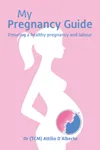
My Pregnancy Guide by Dr (TCM) Attilio D’Alberto is a comprehensive week-by-week guide to a healthy pregnancy and labour, based on over 750 peer-reviewed research studies and 20 years of clinical experience. It blends the latest evidence-based science with the proven theories of traditional Chinese medicine to give you everything you need for a confident, well-supported pregnancy and a positive birth experience.
The book covers pregnancy week by week, an optimal pregnancy diet and supplements, how to reduce your baby’s risk of developing autism, managing complications including gestational diabetes and pre-eclampsia, preparing for labour, pain relief options, acupuncture for labour induction, natural herbs to support birth, and postnatal recovery. Available in paperback, Kindle and ebook from Amazon, Waterstones and all major bookshops.















