



Thin uterine lining (thin endometrium)
A thin uterine lining (endometrial thickness under 7–8 mm at the time of embryo transfer or ovulation) is one of the most common causes of implantation failure and recurrent miscarriage in both natural conception and IVF. Causes include diminished blood flow to the uterus, low oestrogen, scarring (Asherman's syndrome), previous endometrial procedures and Kidney/Blood deficiency in TCM. Treatment combines acupuncture to improve uterine artery blood flow, Blood-and-Yin-nourishing Chinese herbal formulas, vitamin E, L-arginine and adequate sleep. Most patients see endometrial thickness improve over 2–3 cycles.
On this page
- What is thin endometrial lining?
- Impact on fertility and IVF
- Causes of thin endometrial lining
- Thin endometrial lining in traditional Chinese medicine
- Acupuncture for thin endometrial lining
- Chinese herbal medicine for thin endometrial lining
- Self-care and lifestyle
- Commonly asked questions
- My Fertility Guide
- References
1. What is thin endometrial lining?
The endometrium is the inner lining of the uterus that builds and sheds with each menstrual cycle. In the days leading up to ovulation, under the influence of rising oestrogen, the endometrium thickens and develops a characteristic three-layered (trilaminar) appearance on ultrasound — the receptive state that allows a fertilised embryo to implant and begin developing. An endometrium that does not reach sufficient thickness — generally considered to be at least 7–8 mm in the periovulatory phase, with 8–10 mm considered optimal — is described as a thin or inadequate endometrial lining.
Thin endometrial lining is one of the most frustrating and underaddressed problems in fertility medicine. Conventional options are limited: additional oestrogen supplementation is typically tried first, but many women do not respond adequately. When cycles are cancelled in IVF because the lining fails to thicken sufficiently, or when embryo transfers repeatedly fail in a woman with otherwise good embryo quality, the endometrium is almost certainly contributing — and yet the standard toolkit for improving it is small. Acupuncture and Chinese herbal medicine offer a well-researched and clinically effective approach to improving endometrial thickness and receptivity that many women find dramatically changes their IVF outcomes.
I treat thin endometrial lining at my clinic in Wokingham, Berkshire. Online herbal consultations are available for patients who cannot attend in person.
2. Impact of thin endometrial lining on fertility and IVF
A thin endometrial lining reduces natural conception rates, causes IVF cycle cancellation when thickness fails to reach 7 mm before embryo transfer, lowers implantation and clinical pregnancy rates, increases miscarriage risk, and is one of the leading causes of failed frozen embryo transfer (FET) cycles.
The endometrium is not a passive recipient — it plays an active role in implantation, and its thickness and receptivity directly affect fertility outcomes:
- Reduced natural conception rates — a thin endometrium in a natural cycle reduces the likelihood that a fertilised embryo will successfully implant, even when egg and sperm quality are good
- IVF cycle cancellation — most IVF clinics require an endometrial thickness of at least 7 mm before proceeding to embryo transfer. Women whose lining consistently fails to reach this threshold face repeated cycle cancellations, which are both emotionally devastating and physically depleting
- Reduced implantation and clinical pregnancy rates — multiple studies have confirmed that endometrial thickness below 7 mm is associated with significantly reduced implantation rates, clinical pregnancy rates and live birth rates in IVF cycles, even when high-quality embryos are transferred
- Increased miscarriage risk — a thin endometrium that does not develop the full trilaminar pattern provides an inadequate environment for early placental development, which can contribute to early pregnancy loss even when initial implantation occurs
- Failed frozen embryo transfer (FET) cycles — thin endometrium is particularly problematic in frozen embryo transfer cycles, where the endometrium must be adequately prepared by oestrogen supplementation before the transfer can proceed
3. Causes of thin endometrial lining
The main causes of thin endometrial lining are reduced uterine blood flow, intrauterine adhesions (Asherman's syndrome), low oestrogen, previous uterine instrumentation (D&C), clomifene (Clomid) use, chronic endometritis and constitutional Blood deficiency in TCM terms.
- Reduced uterine blood flow — the most common and most treatable cause. The endometrium requires an adequate blood supply to receive the hormonal signals and nutrients needed for growth. Poor uterine artery blood flow — measured as elevated impedance on Doppler ultrasound — is consistently associated with thin endometrium and poor receptivity. This is the primary target of acupuncture treatment
- Intrauterine adhesions (Asherman’s syndrome) — scarring within the uterine cavity from previous surgical procedures (D&C, hysteroscopy, myomectomy, caesarean section) or infection can physically prevent the endometrium from developing normally. Diagnosis is by hysteroscopy or sonohysterography. Mild adhesions may respond to treatment; severe Asherman’s typically requires surgical division
- Low oestrogen — oestrogen drives endometrial proliferation. Conditions that impair oestrogen production — premature ovarian failure, diminished ovarian reserve, hypothalamic amenorrhoea — or conditions where oestrogen supplementation is poorly absorbed, can all result in inadequate endometrial development
- Previous uterine instrumentation — repeated D&C procedures, surgical abortion, or overly aggressive curettage can damage the basal layer of the endometrium from which regeneration occurs, permanently reducing its capacity to develop a thick lining. This is one of the most difficult thin endometrium scenarios to treat
- Clomifene (Clomid) use — clomifene, commonly prescribed to stimulate ovulation, has a well-recognised anti-oestrogenic effect on the endometrium. Even as it successfully induces ovulation, it frequently thins the endometrial lining — a paradox that can reduce the chances of conception despite the ovulation it generates
- Chronic endometritis — subclinical inflammation of the endometrium (chronic endometritis), which may produce no obvious symptoms, impairs endometrial receptivity and is increasingly recognised as a cause of both thin endometrium and implantation failure. Diagnosis requires endometrial biopsy
- Blood deficiency and poor constitutional health — in TCM terms, women who are constitutionally blood-deficient — whether from a long history of heavy periods, poor nutrition, or inadequate post-surgical recovery — lack the fundamental Blood and Yin resources from which a thick, nourishing endometrium can be built
4. Thin endometrial lining in traditional Chinese medicine
In TCM, a thin endometrial lining reflects an insufficiency of Blood and Yin to nourish the uterine vessel (Bao Gong), driven by one or more of four patterns: Kidney Yin and Blood deficiency, Blood stasis obstructing the uterus, Kidney Yang and Spleen Qi deficiency, or Liver Qi stagnation impairing uterine blood flow.
In traditional Chinese medicine, the endometrium corresponds to the Bao Gong (uterus) and its monthly development is understood as the accumulation of Blood and Yin in the uterine vessel during the follicular phase, driven by the Kidney, Liver and Spleen organ systems working in concert. A thin endometrium reflects an insufficiency of the Blood and Yin that nourish the uterine lining, combined in many cases with poor Blood circulation through the uterus itself. The key TCM patterns are:
- Kidney Yin and Blood deficiency — the most common and fundamental pattern in thin endometrium. The Kidney governs the uterus and reproductive function; Kidney Yin and Essence provide the fundamental substance from which the endometrium is built each cycle. When Kidney Yin and Blood are insufficient, the endometrium cannot achieve full thickness. Signs include a light or scanty period, a pale or slightly red tongue, thread pulse, dry skin, disturbed sleep and, on BBT charts, a slow or shallow temperature rise. This is particularly common in women with diminished ovarian reserve, elevated FSH and in older women
- Blood stasis obstructing the uterus — when Blood circulation through the uterus is impaired by stagnation — from scar tissue, previous instrumentation, endometriosis, or prolonged emotional stress — the endometrium does not receive the blood flow and nutrient delivery it needs for full development. This pattern presents with poor uterine artery Doppler flow on ultrasound, a history of D&C or uterine surgery, dark blood with clots in the period, and fixed pelvic discomfort. Treatment focuses on invigorating Blood and removing stasis from the uterine vessels
- Kidney Yang and Spleen Qi deficiency — when the warming and activating function of the Kidneys and Spleen is insufficient, the uterus lacks the energetic drive to develop a full lining. Associated with fatigue, cold extremities, a tendency to feel cold in the lower abdomen, and a thin, watery period. Treatment warms and tonifies Kidney Yang and Spleen Qi to generate the energy needed for endometrial development
- Liver Qi stagnation impairing uterine blood flow — in women under chronic stress, Liver Qi stagnation impairs the free flow of Qi and Blood through the uterine vessels, reducing endometrial perfusion. Research has confirmed that psychological stress directly impairs uterine blood flow through its sympathetic nervous system effects, providing a modern mechanistic explanation for this classical TCM pattern
5. Acupuncture for thin endometrial lining
Acupuncture thickens a thin endometrial lining by increasing uterine artery blood flow, stimulating VEGF, regulating the uterine immune environment, reducing stress-mediated vasoconstriction, and improving endometrial cell oestrogen sensitivity — with measurable improvements documented on Doppler ultrasound in multiple RCTs.
Acupuncture is uniquely well positioned to treat thin endometrial lining because its primary mechanism — improving blood flow — directly addresses the most common and modifiable cause. Specifically, acupuncture:
- Increases uterine artery blood flow and reduces uterine artery resistance, as measured by Doppler ultrasound before and after treatment. Multiple studies have demonstrated measurable improvements in uterine perfusion following acupuncture, directly improving the endometrium’s access to oestrogen, nutrients and oxygen
- Stimulates the secretion of vascular endothelial growth factor (VEGF) and other angiogenic factors that promote the development of new blood vessels in the endometrium, supporting thickening and receptivity
- Regulates the immune environment of the uterus, modulating natural killer cell activity and inflammatory cytokines that affect implantation, addressing the receptivity dimension of thin endometrium beyond mere thickness
- Reduces sympathetic nervous system tone and cortisol, relieving the stress-mediated uterine vasoconstriction that impairs endometrial blood flow
- Directly improves oestrogen sensitivity of the endometrial cells, supporting their proliferative response to available oestrogen
Research evidence
A landmark RCT by Stener-Victorin et al. (1996), published in Human Reproduction, demonstrated that acupuncture significantly reduced uterine artery blood flow impedance in infertile women — directly improving endometrial perfusion. A clinical study by Huang et al. (2012), published in the Journal of Alternative and Complementary Medicine, found that acupuncture significantly increased endometrial thickness and uterine blood flow in IVF patients with thin endometrium compared to controls. A systematic review by Qian et al. (2017) confirmed that acupuncture improved endometrial thickness and uterine blood flow parameters in multiple RCTs, with clinical pregnancy rates significantly improved in acupuncture groups. Research by Meng et al. (2020) further confirmed that electro-acupuncture at specific uterine points significantly increased endometrial thickness and improved endometrial pattern in women with thin endometrium preparing for frozen embryo transfer.
I am a member of the British Acupuncture Council and use a specific uterine blood flow acupuncture protocol in the treatment of thin endometrial lining.
6. Chinese herbal medicine for thin endometrial lining
The principal Chinese herbal formulas used to thicken a thin endometrial lining are Gui Pi Tang and Liu Wei Di Huang Wan for Kidney Yin and Blood deficiency, and Tao Hong Si Wu Tang for the Blood-stasis pattern — combined with Dan Shen and Dang Gui as targeted Blood-invigorating herbs.
Chinese herbal medicine complements acupuncture by providing a daily nourishing and circulatory stimulus to the endometrium through the full follicular phase. Prescription follows the cycle-phase approach — the follicular phase (from period end to ovulation) is the primary treatment window for building endometrial thickness, and herbal formulas are targeted specifically to this phase.
The foundational approach for Kidney Yin and Blood deficiency uses Blood-nourishing formulas anchored by Shu Di Huang (Rehmannia root, the premier herb for nourishing Kidney Yin and Blood), Dang Gui (Angelica sinensis, tonifies and invigorates Blood and has a direct warming, circulatory effect on the uterus), Bai Shao (White Peony, nourishes Liver Blood and calms the uterus). The classical formula Gui Pi Tang (Restore the Spleen Decoction) is used for Heart and Spleen Blood deficiency patterns, while Liu Wei Di Huang Wan (Six-Ingredient Rehmannia Pill) addresses the Kidney Yin deficiency foundation.
For the Blood stasis pattern — particularly important in women with a history of uterine instrumentation or poor Doppler flow — Blood-invigorating herbs and formulas are incorporated. Tao Hong Si Wu Tang (Four-Substance Decoction with Safflower and Peach Pit) nourishes and invigorates Blood simultaneously, making it ideal for thin endometrium driven by combined Blood deficiency and stasis. Dan Shen (Salvia miltiorrhiza) has extensive modern research confirming its ability to improve uterine microcirculation and is a key individual herb for this indication.
The herbs I prescribe are pharmaceutical-grade granules from Sun Ten in Taiwan. For patients who cannot attend in person, online consultations are available with herbs dispensed by post.
7. Self-care and lifestyle for thin endometrial lining
Self-care for thin endometrial lining: improve pelvic circulation with daily walking, keep the lower abdomen warm in the follicular phase, eat Blood-nourishing foods, take vitamin E 600–800 IU/day, manage stress, ask your clinic about vaginal sildenafil, and investigate chronic endometritis if implantation failures continue with good embryos.
- Improve pelvic circulation — regular moderate aerobic exercise (walking, cycling, swimming) maintains pelvic blood flow and is particularly important for women who are sedentary. Even a 30-minute walk daily improves uterine perfusion measurably. Avoid intense exercise in the late follicular phase, which can divert blood away from the uterus
- Apply warmth to the lower abdomen — from the end of the period to ovulation, keeping the lower abdomen warm with a heat pad or hot water bottle supports uterine circulation. In TCM, cold is one of the most significant pathogenic factors impairing uterine blood flow. Cold foods, cold drinks and cold environments should be minimised during the follicular phase
- Blood-nourishing diet — dark leafy greens, red meat, liver, lentils, black sesame seeds, mulberries, red dates (Da Zao), longan fruit and goji berries are all strongly Blood-nourishing foods in TCM dietary medicine. Eating these foods particularly in the follicular phase supports endometrial building. See Chinese food therapy for detailed guidance
- Vitamin E — vitamin E at doses of 600–800 IU/day has specific evidence for improving endometrial thickness through its vasodilatory and antioxidant effects. Studies have shown measurable increases in endometrial thickness with vitamin E supplementation in women with thin endometrium
- Sildenafil (Viagra) vaginal suppositories — in some IVF clinics, vaginal sildenafil is used off-label to improve uterine blood flow and endometrial thickness in women who have not responded to oestrogen alone. This is a medical treatment to discuss with your fertility specialist
- Reduce stress — psychological stress causes uterine vasoconstriction via sympathetic nervous system activation, directly reducing endometrial blood flow. Regular relaxation, adequate sleep and stress management are important structural supports for thin endometrium treatment. Many patients find fertility coaching helpful in managing the emotional impact of repeated IVF setbacks
- Investigate and treat chronic endometritis — if you have had repeated implantation failures with good-quality embryos, ask your fertility clinic about endometrial biopsy to exclude chronic endometritis. If confirmed, antibiotic treatment followed by TCM support to restore the endometrial microenvironment is the recommended approach
8. Commonly asked questions about thin endometrial lining
Can acupuncture thicken the endometrium?
Yes — this is one of the most directly evidenced effects of acupuncture in fertility medicine. Multiple RCTs and clinical studies have confirmed that acupuncture increases endometrial thickness and uterine blood flow in women with thin endometrium, including those who have not responded adequately to oestrogen supplementation alone. The mechanism — improving uterine artery blood flow and stimulating VEGF — is well established.
How many acupuncture sessions are needed to improve the endometrium?
For acute improvement before an upcoming IVF transfer, intensive acupuncture treatment in the four to six weeks prior to the transfer — ideally two sessions per week — can produce meaningful improvements in lining thickness and blood flow. For sustained constitutional improvement of chronically thin endometrium, a course of three to six months of weekly acupuncture combined with herbal treatment produces the most durable results. I tailor the treatment plan to your cycle timing and transfer schedule.
What is the minimum endometrial thickness for IVF transfer?
Most IVF clinics require a minimum of 7 mm, with 8–10 mm or above considered optimal. However, thickness alone does not predict outcome — the trilaminar (three-layer) pattern and uterine blood flow quality are also important indicators of receptivity. Some women conceive with linings of 6–7 mm when blood flow and pattern are good; others with a lining of 9 mm have poor outcomes because of underlying receptivity issues. TCM treatment addresses both thickness and the quality of the endometrial environment.
Can Chinese herbal medicine improve endometrial lining for IVF?
Yes. Chinese herbal medicine works daily throughout the follicular phase to nourish the Blood and Kidney Yin that build the endometrium, and to invigorate Blood circulation through the uterine vessels. Many women who have had cycles cancelled for inadequate lining thickness find that combining herbal treatment with acupuncture produces an endometrium sufficient for transfer that conventional oestrogen supplementation alone could not achieve.
Can a thin endometrium be treated naturally without IVF?
Yes — acupuncture and Chinese herbal medicine can improve endometrial thickness in natural cycles as well as in medicated IVF cycles. Women seeking to conceive naturally with thin endometrium benefit from the same follicular-phase protocol — Blood and Kidney Yin nourishment combined with Blood-invigorating treatment to improve uterine perfusion. Improvements in natural cycle lining thickness have been documented alongside improvements in conception rates.
9. My Fertility Guide
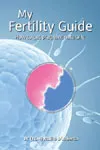
My Fertility Guide by Dr (TCM) Attilio D’Alberto is a comprehensive, evidence-based guide to natural conception, based on over 350 peer-reviewed research studies and 25 years of clinical experience. It blends cutting-edge science with the proven theories of traditional Chinese medicine to give you a complete, practical and easy-to-understand resource for improving your fertility.
The book covers the menstrual cycle and how to identify your fertile window, how to improve egg quality and sperm quality, optimising your diet, lifestyle and environment for conception, evidence-based supplements for both men and women, the most common fertility conditions including PCOS, endometriosis and low AMH, and the role of acupuncture and Chinese herbal medicine in improving fertility outcomes. Available in paperback, Kindle and ebook from Amazon, Waterstones and all major bookshops.
Once you conceive — My Pregnancy Guide by Dr (TCM) Attilio D’Alberto is the companion week-by-week guide to a healthy pregnancy and labour, combining evidence-based medicine with traditional Chinese medicine.
10. References
Stener-Victorin E, Waldenstrom U, Andersson SA, Wikland M. Reduction of blood flow impedance in the uterine arteries of infertile women with electro-acupuncture. Human Reproduction. 1996;11(6):1314–1317. doi: 10.1093/oxfordjournals.humrep.a019378.
Huang DM, Huang GY, Lu FE, Stefan D, Andreas N, Robert G. Acupuncture for infertility: is it an effective therapy? Chinese Journal of Integrative Medicine. 2011;17(5):386–395. doi: 10.1007/s11655-011-0611-8.
Qian Y, et al. Acupuncture for subfertile women with polycystic ovarian syndrome: a systematic review and meta-analysis. Archives of Gynecology and Obstetrics. 2017;296(3):441–451. doi: 10.1007/s00404-017-4434-0.
Takasaki A, et al. Endometrial growth and uterine blood flow: a pilot study for elucidating the mechanisms of thin endometrium. Fertility and Sterility. 2010;93(6):1851–1858. doi: 10.1016/j.fertnstert.2008.12.022.
Prefer to be treated from home? Chinese herbal medicine online consultations are available throughout the UK and worldwide. After a full video consultation, Dr (TCM) Attilio D'Alberto formulates a bespoke herbal prescription and posts your Chinese herbs directly to your door. For patients in North America, herbs are posted from within the USA; for those in Europe, herbs are posted from the Netherlands, for faster delivery with no customs delays.
Related Chinese herbal formulas
Classical Chinese herbal formulas that may be clinically relevant for thin endometrial lining, depending on TCM pattern differentiation:
- Ai Fu Nuan Gong Wan — with cold-uterus pattern — see thin endometrial lining
- Nei Bu Wan — with Yang deficiency
- Yu Lin Zhu — in IVF cycles — supporting implantation
A practitioner selects from these based on the individual TCM pattern identified in consultation. Read more about Chinese herbal medicine or book an online herbal consultation.
What thickness of endometrial lining is needed for embryo transfer?
Most clinics require endometrial thickness of 7–8mm minimum for embryo transfer; 9–14mm is considered optimal. Below 7mm is associated with significantly reduced implantation rates. Trilaminar pattern (three distinct layers visible on ultrasound) is also considered important. If your lining is below 7mm, your IVF cycle may be cancelled or proceed with reduced success expectations.
Can acupuncture and Chinese herbs thicken the endometrial lining?
Yes — this is one of the most consistently helped fertility issues with TCM treatment. Acupuncture has documented effects on uterine blood flow and endometrial receptivity. Chinese herbal formulas combining Yin-and-Blood-nourishing herbs (Shu Di Huang, Dang Gui, Bai Shao) with Yang-supporting herbs (Tu Si Zi) typically increase endometrial thickness by 1–3mm over 2–3 cycles of pre-IVF treatment.
How long does it take to improve a thin uterine lining?
Meaningful lining improvement typically appears over 2–3 menstrual cycles of consistent treatment. Some patients see improvement within one cycle, others take 4–6 cycles for substantial change. Treatment intensity is highest in the follicular phase (when lining grows). For frozen embryo transfer cycles, focused 4–6 week pre-transfer treatment may be sufficient.
What lifestyle changes help endometrial lining?
Adequate sleep (lining grows at night), avoiding inflammation triggers (smoking, excessive alcohol, ultra-processed food), Mediterranean-style diet rich in healthy fats (olive oil, nuts, oily fish), and moderate exercise (improves uterine blood flow). Avoid prolonged sitting which reduces pelvic circulation. Acupuncture, regular saunas (between cycles, not during stimulation), and warmth applied to the lower abdomen all support uterine blood flow.
Does sildenafil (Viagra) help thin endometrial lining?
Some IVF clinics use sildenafil suppositories pre-transfer to improve uterine blood flow and endometrial thickness. Trial evidence is mixed but supportive in some patient subgroups. Sildenafil works alongside (not instead of) addressing the underlying drivers of thin lining. Combination with TCM treatment often produces better results than either alone.















