





Acupuncture in pregnancy
Acupuncture is safe in pregnancy when performed by a fully qualified practitioner and is widely used by the NHS for morning sickness, back and pelvic pain, anxiety, insomnia, breech presentation and labour preparation. Specific acupuncture points must be avoided in pregnancy (notably SP 6, LI 4, BL 60, BL 67) because they have uterotonic effects. A trained TCM practitioner adapts treatment by trimester — supporting blood flow and threatened miscarriage in the first trimester, structural and emotional support in the second, and labour preparation in the third.
On this page
- Overview
- What conditions can acupuncture treat in pregnancy?
- How does acupuncture work in pregnancy?
- Is acupuncture safe in pregnancy?
- First trimester (weeks 1–12)
- Second trimester (weeks 13–27)
- Third trimester (weeks 28–42)
- Acupuncture after IVF or with a history of miscarriage
- The TCM view of pregnancy
- Frequently asked questions
- My pregnancy guide
1. What is pregnancy acupuncture?
Pregnancy brings with it a wide range of physical and emotional changes, many of which are difficult to treat with conventional medication. Most pharmaceutical drugs are either contraindicated in pregnancy or recommended only with caution, leaving many women without effective options for common complaints such as nausea, back pain, anxiety, insomnia and heartburn.
Acupuncture has been used safely throughout pregnancy for thousands of years. It offers effective, drug-free treatment for a broad range of pregnancy-related conditions — from the nausea of early pregnancy to the physical strain of the third trimester. It can also play a vital protective role for women who have experienced miscarriage or who have conceived through IVF or ICSI, helping to maintain and support the pregnancy through the most vulnerable early weeks.
I am Dr (TCM) Attilio D'Alberto, a fertility and pregnancy specialist based in Wokingham, Berkshire. I am a member of the British Acupuncture Council (BAcC), trained in the specific adaptations required for safe acupuncture practice during pregnancy, and experienced in supporting women through all stages of pregnancy and the postnatal period. I am also the author of My Pregnancy Guide.
2. What conditions can acupuncture treat in pregnancy?
Acupuncture can be used safely at any stage of pregnancy to treat a wide range of conditions. The most common presentations I treat are:
First trimester
- Nausea and vomiting (morning sickness) — affects around 70% of pregnant women; acupuncture at PC6 and other points is one of the most evidence-supported treatments available
- Extreme fatigue — very common in early pregnancy as the body adjusts to the demands of the developing placenta
- Anxiety and emotional stress — particularly acute for women with a history of miscarriage or fertility treatment
- Threatened miscarriage — acupuncture can help stabilise the pregnancy by improving blood flow to the uterus and regulating immune factors
- Implantation support (post-IVF) — continued treatment after embryo transfer and through the first trimester
- Headaches and migraines — often worse in the first trimester due to hormonal changes; most conventional treatments are contraindicated
- Constipation — a common complaint from early pregnancy due to increased progesterone and slowed gut transit
Second trimester
- Back pain and pelvic girdle pain — as the uterus grows and the centre of gravity shifts, back and pelvic pain are increasingly common
- Sciatica — pressure from the growing uterus on the sciatic nerve can cause significant leg pain and numbness
- Heartburn and acid reflux — progesterone relaxes the oesophageal sphincter, making reflux very common in mid-pregnancy
- Insomnia — hormonal changes, physical discomfort and anxiety frequently disrupt sleep in pregnancy
- Carpal tunnel syndrome — fluid retention in pregnancy can compress the median nerve, causing numbness and tingling in the hands
- Oedema (swelling) — acupuncture can improve circulation and reduce fluid retention in the legs and ankles
- High blood pressure — acupuncture can support blood pressure regulation and complement conventional monitoring
- Urinary tract infections — recurrent UTIs are more common in pregnancy; acupuncture and Chinese herbs can support immune function and reduce recurrence
- Symphysis pubis dysfunction (SPD) — pubic pain caused by the increased mobility of the pelvic joints
- Anaemia — alongside dietary advice and supplementation, Chinese herbs are commonly used in TCM practice for treating blood deficiency in pregnancy
Third trimester
- Continued back, pelvic and hip pain — increases in severity as the baby grows
- Insomnia — physical discomfort, foetal movement and anxiety about birth all contribute to poor sleep in late pregnancy
- Breech presentation — moxibustion at BL67 from 34–38 weeks to encourage the baby into a head-down position
- Birth preparation — weekly acupuncture from 35 weeks to ripen the cervix, position the baby optimally and prepare the body for labour
- Overdue pregnancy — acupuncture can be used from 40 weeks to stimulate oxytocin release and encourage natural labour
3. How does acupuncture work in pregnancy?
Acupuncture works by inserting fine, sterile, single-use needles at specific points on the body to regulate the flow of qi (energy) and blood. In a western physiological understanding, acupuncture acts through several overlapping mechanisms that are particularly relevant in pregnancy:
Neuroendocrine regulation: Acupuncture stimulates the release of endorphins and other neuropeptides that modulate pain, regulate the stress response and support hormonal balance. This is why it is effective for both physical symptoms such as pain and nausea, and emotional symptoms such as anxiety and insomnia.
Improved blood flow: Acupuncture has been shown to increase blood flow to the uterus and placenta, improving the delivery of oxygen and nutrients to the developing baby. This is particularly important in early pregnancy and after IVF, when good uteroplacental circulation is critical for healthy development.
Immune modulation: During pregnancy the immune system must tolerate the presence of the embryo — which is genetically foreign — while continuing to protect against infection. Acupuncture has been shown to regulate immune factors including natural killer (NK) cells and pro-inflammatory cytokines, reducing the immune reactivity that can contribute to miscarriage and implantation failure.
Autonomic nervous system balance: Stress and anxiety activate the sympathetic nervous system, which increases cortisol levels, constricts blood vessels and can disrupt hormone balance. Acupuncture has been shown to reduce sympathetic activity and promote parasympathetic dominance — a calmer, more restorative physiological state that is more conducive to a healthy pregnancy.
Oxytocin regulation: In late pregnancy and for labour support, specific acupuncture points stimulate the release of oxytocin — the hormone responsible for uterine contractions and cervical ripening — and reduce the uterine contractions caused by oxytocin excess that can threaten the pregnancy in earlier stages.
4. Is acupuncture safe in pregnancy?
Yes — acupuncture performed by a qualified practitioner is safe throughout all three trimesters of pregnancy. It has an excellent safety record and is one of the most widely used complementary therapies in pregnancy in the UK and internationally.
That said, pregnancy acupuncture is a specialist area. Certain acupuncture points are contraindicated in pregnancy because they have a strong descending or blood-moving action that is not appropriate before labour. A practitioner without specific training in pregnancy acupuncture may inadvertently use these points. I am trained and experienced in pregnancy acupuncture and always apply the appropriate precautions:
- Contraindicated points are avoided entirely in the first and second trimesters
- Strong needling technique is moderated in pregnancy
- Needles are never placed on the abdomen during pregnancy
- Treatment is adapted to the patient's position — lying on the back is avoided after the first trimester; treatment is given in a side-lying or semi-reclined position
There is no evidence that correctly performed pregnancy acupuncture causes miscarriage, preterm labour or harm to the baby. A large observational study of pregnancy acupuncture in Scandinavia found no association between acupuncture treatment and adverse pregnancy outcomes.
I am a member of the British Acupuncture Council (BAcC), the UK's largest professional body for traditional acupuncturists, which sets and monitors professional standards and requires members to hold full professional indemnity insurance. Read more about acupuncture safety ›
5. First trimester (weeks 1–12)
The first trimester is the most critical period of pregnancy. The embryo implants and the placenta begins to form — processes that require adequate blood flow, hormonal balance, and a properly regulated immune response. It is also the trimester in which miscarriage is most common, affecting around 20% of confirmed pregnancies.
For women who have conceived naturally without a complex history, acupuncture in the first trimester focuses primarily on managing symptoms — nausea, fatigue, headaches, anxiety — and on supporting the mother's overall health as her body adapts to the demands of early pregnancy.
For women with a more complex background, the first trimester is when acupuncture does some of its most important protective work. I recommend weekly treatment throughout the first trimester for women who:
- Have a history of one or more miscarriages
- Conceived through IVF, ICSI, frozen embryo transfer or donor egg/embryo
- Have conditions associated with higher miscarriage risk, such as PCOS, elevated FSH, low AMH, antiphospholipid syndrome or thyroid issues
- Are pregnant after a history of repeated IVF failure
- Are over 40
For these patients, I recommend continuing acupuncture to at least 20 weeks, and ideally throughout the pregnancy.
6. Second trimester (weeks 13–27)
For most women, the second trimester is the most comfortable stage of pregnancy — the nausea of early pregnancy has passed, energy levels improve and the risk of miscarriage falls significantly. However, this is also the period when musculoskeletal complaints begin to emerge as the uterus grows, the centre of gravity shifts and the ligaments and joints loosen under the influence of relaxin.
Back pain, pelvic girdle pain, sciatica, symphysis pubis dysfunction, carpal tunnel syndrome and hip pain are all common in the second trimester and all respond well to acupuncture. Heartburn and insomnia are also frequent complaints at this stage, and both can be effectively treated.
For women continuing from the first trimester, second trimester treatment often becomes less frequent — fortnightly rather than weekly — unless symptoms require more regular attention.
7. Third trimester (weeks 28–42)
The third trimester brings the physical challenges of the later stages of pregnancy — increasing weight, pressure on the spine, pelvis and bladder, difficulty sleeping and the growing anxiety of approaching labour. Acupuncture is particularly valuable in this trimester for managing these physical complaints and for preparing the body for birth.
From 35 weeks I offer a structured course of pre-birth acupuncture, which is specifically designed to prepare the cervix, position the baby optimally and tonify the mother's energy and blood reserves in preparation for labour. Treatment begins weekly at 35 weeks and continues until delivery.
If the estimated due date passes without labour beginning, additional acupuncture points are introduced from 40 weeks to stimulate oxytocin release and encourage the body to begin labour naturally — reducing the need for medical induction. Read more: Natural labour induction ›
For women with a breech baby, moxibustion at the BL67 point on the little toe is typically offered from 34 to 38 weeks to encourage the baby to turn to a head-down position before this becomes impossible. Read more: Moxibustion for breech baby ›
8. Acupuncture after IVF or with a history of miscarriage
For women who have conceived through IVF — particularly those who have had repeated IVF failures, used a donor egg or donor embryo, have a low AMH, or are over 40 — I strongly recommend continuing acupuncture throughout the first trimester and to at least 20 weeks. These pregnancies carry a higher risk of complications and loss, and the protective effects of acupuncture — improved uteroplacental blood flow, immune modulation, oxytocin regulation and stress reduction — are particularly valuable.
The same applies to women who have experienced one or more previous miscarriages, whether naturally conceived or through IVF. Acupuncture does not guarantee the outcome of a pregnancy, but it significantly reduces several of the mechanisms through which miscarriage occurs, and provides important emotional support through what is inevitably an anxious period.
For the highest-risk pregnancies — those achieved after multiple IVF failures, with donor embryos, or where the mother has a significantly reduced ovarian reserve or is in her mid-to-late 40s — I recommend acupuncture throughout the whole pregnancy and into the postnatal period. The mother's body will often be more depleted, and both the pregnancy and postnatal recovery benefit from consistent support.
9. The TCM view of pregnancy
In traditional Chinese medicine, pregnancy is understood as a state in which the mother's blood nourishes the foetus. Blood is the essential substance: it forms the placenta, feeds the growing baby and supports the mother's own health throughout pregnancy. This is why blood deficiency — tiredness, pale complexion, poor sleep, anxiety, dry skin and hair — is the most common TCM pattern seen in pregnant women, particularly in the second half of pregnancy as foetal demands increase.
The Kidney system in TCM governs reproduction and is the repository of jing (constitutional essence), which is the foundation of the baby's development. A strong Kidney system in both parents before conception gives the best foundation; during pregnancy, supporting the mother's Kidney qi and yin helps to sustain foetal development and reduce the risk of complications associated with deficiency.
The Liver system in TCM is responsible for the smooth flow of qi and blood throughout the body. Liver qi stagnation — which presents as tension, irritability, breast tenderness, constipation, nausea and musculoskeletal pain — is also common in pregnancy and responds well to acupuncture treatment that moves qi and blood and relieves stagnation.
Treatment during pregnancy is modified compared to outside pregnancy. Points with strong moving or descending actions are avoided; instead, treatment focuses on gently nourishing blood and yin, supporting Kidney qi, and relieving stagnation where it causes discomfort or risk. Read more about traditional Chinese medicine ›
10. Frequently asked questions
Is acupuncture safe in the first trimester?
Yes, when performed by a qualified practitioner who is trained in pregnancy acupuncture. Contraindicated points are avoided and needling technique is appropriately moderated. There is no evidence that correctly performed acupuncture causes miscarriage or harm to the baby in the first trimester. For women with a history of miscarriage or who have conceived through IVF, the first trimester is actually the most important time to receive acupuncture support.
How often should I have acupuncture during pregnancy?
This depends on the stage of pregnancy and what is being treated. For symptom management (nausea, pain, insomnia), treatment is typically weekly until symptoms resolve, then fortnightly. For protective support in the first trimester after IVF or miscarriage, weekly treatment is recommended. From 35 weeks, pre-birth acupuncture is given weekly. For labour induction, sessions may be given every two to three days from 40 weeks.
Can I have acupuncture if I am taking prescribed medication in pregnancy?
Yes. Acupuncture does not interact with medications and is safe to use alongside any prescribed pregnancy medication, including progesterone supplements, aspirin (used in antiphospholipid syndrome), thyroid medication and other drugs commonly prescribed in pregnancy. Always inform me of all medications you are taking.
Should I tell my midwife or obstetrician that I am having acupuncture?
Yes. I recommend informing your midwifery or obstetric team that you are receiving acupuncture, particularly if you are under consultant care for a higher-risk pregnancy. In most cases they will have no concerns, and many NHS midwives and obstetricians are familiar with pregnancy acupuncture.
Can acupuncture help with postnatal recovery?
Yes. Postnatal acupuncture and Chinese herbal medicine are effective for restoring the blood and qi depleted by pregnancy and labour, supporting hormonal rebalancing, treating postnatal fatigue and mood, supporting breastfeeding, and healing from birth. I recommend beginning postnatal acupuncture within the first two weeks after delivery.
Where is your clinic?
I practise at Wokingham Therapy Clinic, 49 Denmark Street, Wokingham, Berkshire, RG40 2AY. I also offer online consultations for herbal treatment for patients outside the Berkshire area. View treatment prices ›
11. My Pregnancy Guide
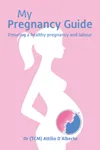
My Pregnancy Guide by Dr (TCM) Attilio D’Alberto is a comprehensive week-by-week guide to a healthy pregnancy and labour, based on over 750 peer-reviewed research studies and 25 years of clinical experience. It blends the latest evidence-based science with the proven theories of traditional Chinese medicine to give you everything you need for a confident, well-supported pregnancy and a positive birth experience.
The book covers pregnancy week by week, an optimal pregnancy diet and supplements, how to reduce your baby’s risk of developing autism, managing complications including gestational diabetes and pre-eclampsia, preparing for labour, pain relief options, acupuncture for labour induction, natural herbs to support birth, and postnatal recovery. Available in paperback, Kindle and ebook from Amazon, Waterstones and all major bookshops.















