



Fibroids - Wokingham, Berkshire
Acupuncture and Chinese herbal medicine for fibroids at my clinic in Wokingham, Berkshire. Patients travel from across Berkshire and the Thames Valley — Reading, Henley, Maidenhead, Bracknell, Crowthorne and beyond — for evidence-based traditional Chinese medicine combining acupuncture, Chinese herbs, cupping and moxibustion. Over 25 years of clinical experience seeing patients with fibroids with a personalised TCM approach.
On this page
- What are fibroids?
- Symptoms of fibroids
- Causes of fibroids
- Fibroids in traditional Chinese medicine
- Chinese herbal medicine for fibroids
- Acupuncture for fibroids
- Self-care for fibroids
- Commonly asked questions
- My Fertility Guide
- References
1. What are fibroids?
Uterine fibroids (also called uterine leiomyomas or myomas) are non-cancerous growths that develop within or around the wall of the uterus. They are the most common benign tumours in women of reproductive age, affecting up to 70–80% of women by the age of 50. Despite their prevalence, they remain significantly under-researched and under-treated — the average woman waits over three years from the onset of symptoms to receiving a diagnosis. Many women manage years of heavy periods, pain and fertility problems before effective treatment is offered.
Conventional treatment options for fibroids are largely surgical or hormonal — hysterectomy, myomectomy, uterine artery embolisation and GnRH analogues — all of which carry significant risks, side effects or limitations. Chinese herbal medicine is widely used as a complementary therapy alongside conventional fibroid care; published research suggests it may be associated with reductions in fibroid volume and improvements in associated symptoms (heavy bleeding, period pain) over several months of treatment. It is used alongside — not instead of — the care you receive from your doctor or gynaecology team, and any treatment decisions should be made with your specialist.
I see patients with fibroids at my clinics in Wokingham, Berkshire and offer online herbal consultations for patients who cannot attend in person. Fibroids are also strongly associated with fertility problems, and I regularly treat women with fibroids as part of their fertility acupuncture programme.
2. Symptoms of fibroids
Symptoms depend on the size, number and location of fibroids within or around the uterus. Many women have fibroids without any symptoms at all — discovered incidentally on an ultrasound. When symptoms do occur, they can include:
- Heavy menstrual bleeding — the most common and often most debilitating symptom. Periods may be very heavy, prolonged (lasting more than seven days), or involve large clots. Chronic blood loss frequently leads to iron deficiency anaemia, causing fatigue, breathlessness and dizziness
- Painful periods (dysmenorrhoea) — severe cramping before and during menstruation, often significantly worse than typical period pain
- Pelvic pressure and bloating — a feeling of heaviness, fullness or pressure in the lower abdomen, particularly with larger fibroids
- Frequent urination — fibroids pressing on the bladder can cause urinary urgency, frequency or incomplete bladder emptying
- Constipation and bowel pressure — fibroids pressing on the rectum can cause constipation or a sensation of rectal pressure
- Painful intercourse — deep pelvic pain during sex, particularly with submucosal or intramural fibroids
- Abdominal enlargement — in larger fibroids, visible enlargement of the lower abdomen, sometimes mistaken for pregnancy or weight gain
- Fertility and pregnancy problems — depending on their location, fibroids can interfere with implantation, cause miscarriage or increase the risk of pregnancy complications
- Fatigue and low energy — chronic heavy bleeding leads to anaemia and fatigue that can be severe and significantly impact daily life
3. Causes of fibroids
Fibroids are oestrogen-dependent tumours — they grow in the presence of oestrogen and typically shrink after the menopause when oestrogen levels fall. This makes oestrogen dominance (relatively elevated oestrogen in relation to progesterone) a key driver of fibroid development and growth. Factors that contribute to oestrogen dominance include obesity, exposure to environmental oestrogens (xenoestrogens) in plastics, pesticides and food packaging, impaired oestrogen metabolism through the liver, and a diet high in refined carbohydrates and low in fibre. Genetic factors also play a role — women with a first-degree relative with fibroids are significantly more likely to develop them.
Fibroid growth is also driven by chronic inflammation, poor microcirculation in the uterine tissue and, in some cases, elevated insulin levels associated with insulin resistance. These factors all reduce the body's ability to break down and reabsorb the fibroid tissue naturally.
4. Fibroids in traditional Chinese medicine
In traditional Chinese medicine (TCM), fibroids are classified as Zheng Jia — abdominal masses caused by the accumulation of blood stasis and phlegm-dampness in the uterus. The core pathological mechanism is blood stasis: when Qi (vital energy) is unable to move blood freely through the uterine vessels, blood stagnates and accumulates over time, forming the physical mass of the fibroid. This stagnation is typically combined with one or more of the following patterns:
- Qi stagnation and blood stasis — the most common pattern. When the Liver's function of smoothly moving Qi through the body is disrupted by chronic stress, frustration, emotional tension or overwork, Qi stagnates and blood follows, accumulating in the uterus. This pattern presents with severe period pain, blood clots, breast tenderness, irritability, a dark purple tongue and a wiry pulse. It is often seen in women with demanding careers and high stress lives whose fibroid symptoms worsen significantly during periods of emotional pressure.
- Phlegm-dampness and blood stasis — where Spleen weakness produces an accumulation of dampness and phlegm in the body, which combines with blood stasis to form denser, more obstructive fibroid tissue. This pattern is common in women who carry excess weight, eat a diet high in damp-producing foods or have sluggish digestion. The fibroids in this pattern tend to be larger and firmer.
- Kidney deficiency with blood stasis — seen in older patients or those with a long history of fibroids, where the Kidney’s role in governing the uterus and reproduction becomes depleted over time. This pattern typically involves lower back soreness, fatigue, irregular periods and a more complex hormonal picture alongside the blood stasis.
- Qi and blood deficiency with stasis — where chronic heavy bleeding has depleted Qi and blood, leaving the body too weak to circulate properly, perpetuating stasis. This pattern requires herbs that simultaneously build Qi and blood whilst moving stasis — a more nuanced and gradual approach than for the excess patterns.
Identifying the correct TCM pattern is central to effective treatment. Treatment for fibroids in TCM always addresses both the manifestation (the fibroid mass) and the root (the constitutional imbalance that allowed the stasis to develop). This is why TCM treatment tends to produce results that are sustained over time rather than simply providing temporary relief.
5. Chinese herbal medicine for fibroids
Chinese herbal medicine is the primary treatment modality for fibroids in TCM and has the strongest research evidence of any complementary approach for this condition. The principal mechanism of action is improving blood microcirculation in the uterine tissue, reducing the oestrogen environment that drives fibroid growth, promoting apoptosis (natural cell death) of fibroid cells and inhibiting their proliferation — all without the side effects associated with hormonal medications.
The most important and best-researched formula for fibroids is Gui Zhi Fu Ling Wan (Cinnamon Twig and Poria Pill) — a five-herb classical formula first recorded in the Jin Gui Yao Lue (Synopsis of Prescriptions of the Golden Chamber) nearly 2,000 years ago, comprising Gui Zhi (Cinnamomum cassia), Fu Ling (Poria cocos), Mu Dan Pi (Cortex moutan), Chi Shao (Red peony root) and Tao Ren (Peach kernel). This formula promotes blood circulation, resolves blood stasis, reduces abdominal masses and stops abnormal bleeding. It is now one of the most studied Chinese herbal formulas in the world for gynaecological conditions, with dozens of randomised controlled trials confirming its efficacy in reducing fibroid volume, improving hormonal profiles and relieving symptoms. A meta-analysis of 28 RCTs involving 2,813 patients found that Gui Zhi Fu Ling combined with low-dose mifepristone significantly reduced fibroid volume, oestrogen and progesterone levels, and improved clinical outcomes compared to mifepristone alone.
For the phlegm-dampness pattern, additional herbs that resolve dampness and soften masses — such as Zhe Bei Mu (Fritillaria thunbergii), Kun Bu (Ecklonia kelp) and Hai Zao (Sargassum) — are incorporated into the base formula. For Qi stagnation, herbs that move Liver Qi and regulate the menstrual cycle, such as Chai Hu (Bupleurum), Xiang Fu (Cyperus rotundus) and Yi Mu Cao (Leonurus japonicus, motherwort) are added. Where significant Qi and blood deficiency accompanies the stasis, tonifying herbs such as Dang Gui (Angelica sinensis) and Huang Qi (Astragalus) are incorporated to build the foundation from which the body can clear the stasis.
Treatment typically follows the menstrual cycle, with different prescriptions or emphases used at different phases — a more moving, dispersing prescription in the days before and during menstruation when the body is naturally clearing, and a more tonifying, building prescription in the follicular phase. This cyclic approach mirrors the body’s own rhythms and tends to produce faster and more sustained results.
The herbs I prescribe are pharmaceutical-grade granules from Sun Ten in Taiwan, tested to the highest international quality and safety standards. It is important to continue any investigations or monitoring recommended by your gynaecologist alongside herbal treatment.
6. Acupuncture for fibroids
Acupuncture works very effectively alongside Chinese herbal medicine for fibroids. A 2024 systematic review and meta-analysis of nine RCTs involving 640 women found that acupuncture combined with Chinese herbs significantly increased the overall clinical efficacy rate and reduced fibroid size compared to Chinese herbs alone. Acupuncture helps fibroids by improving uterine blood circulation, reducing inflammatory prostaglandins that drive painful cramping, regulating the hormonal environment through its effects on the hypothalamic-pituitary-ovarian axis, and addressing the stress and anxiety that are so often intertwined with fibroid symptoms and their underlying Liver Qi stagnation pattern. Moxibustion applied to specific abdominal and lower back points may also be used to warm the uterine channels and support local blood flow.
7. Self-care for fibroids
Diet to reduce oestrogen dominance
A diet that supports healthy oestrogen metabolism is central to managing fibroids. In TCM, foods that generate dampness — dairy products, refined sugar, alcohol, greasy and fried foods — should be significantly reduced as they promote the phlegm-dampness pattern that feeds fibroid growth. Increasing cruciferous vegetables (broccoli, kale, cauliflower, Brussels sprouts), which contain indole-3-carbinol to support liver oestrogen metabolism, along with high-fibre foods that support oestrogen excretion through the bowel, flaxseeds (which have a mild oestrogen-modulating effect), and dark leafy greens to replenish iron lost through heavy bleeding, is strongly recommended. For detailed dietary guidance, see Chinese food therapy.
Reduce exposure to environmental oestrogens
Xenoestrogens from plastics (particularly BPA), pesticide residues on food, non-organic meat and dairy, and synthetic fragrances in personal care products all add to the oestrogen load that drives fibroid growth. Choosing organic produce where possible, avoiding heating food in plastic containers, using natural personal care products and filtering drinking water are all practical steps to reduce this burden.
Manage stress
Chronic stress drives Liver Qi stagnation — the primary TCM pattern underlying most fibroids — and raises cortisol levels, which in turn disrupt progesterone production and worsen oestrogen dominance. Regular stress management through exercise, mindfulness, time outdoors and adequate sleep directly supports fibroid treatment. Many women find that their fibroid symptoms worsen significantly during periods of high stress, which is a clear expression of the Liver-uterus relationship in TCM.
Address iron deficiency
Heavy menstrual bleeding from fibroids frequently causes iron deficiency anaemia. Addressing this with dietary changes and, where necessary, iron supplementation is important both for general wellbeing and because anaemia itself reduces the body’s ability to mount the circulatory improvement that TCM treatment relies on. Foods rich in haem iron (red meat, liver) or non-haem iron (dark leafy greens, legumes, pumpkin seeds) combined with vitamin C to enhance absorption should be prioritised.
8. Commonly asked questions about Chinese herbal medicine for fibroids
What does the research say about Chinese herbal medicine and fibroid volume?
Fibroids and Chinese herbal medicine is one of the better-studied areas in herbal medicine for women’s health. Randomised controlled trials of Gui Zhi Fu Ling formula, either alone or combined with conventional medication, have reported reductions in fibroid volume measured by ultrasound and MRI, alongside improvements in symptoms such as heavy bleeding and pelvic pain. Individual responses vary with the size, number and TCM pattern, and no individual outcome can be guaranteed. Chinese herbal medicine is used as a complementary therapy alongside conventional gynaecology care and any management plan should be agreed with your doctor or specialist.
How long does treatment take?
Fibroids develop over many years and require a sustained course of treatment to address effectively. Most patients notice improvements in their period symptoms — lighter bleeding, less pain, reduced clotting — within two to three menstrual cycles. Measurable reductions in fibroid volume on ultrasound are typically seen after three to six months. A full course of treatment is usually six to twelve months, with the prescription adjusted throughout as the pattern responds.
Can Chinese herbal medicine help with fibroid-related fertility problems?
Yes — improving uterine blood flow, reducing fibroid volume and regulating the hormonal environment all support fertility. Many women I see with unexplained infertility or recurrent miscarriage have fibroids as a contributing factor, and treating the fibroids as part of a broader fertility programme often makes a significant difference to their outcome. Chinese herbal medicine can also be used alongside IVF to optimise uterine receptivity.
Can I use Chinese herbal medicine alongside conventional fibroid treatment?
Chinese herbal medicine can be used alongside medical management of fibroids and has been specifically studied in combination with mifepristone with better outcomes than mifepristone alone. Always inform your gynaecologist of all treatments you are using. Always consult a qualified Chinese herbalist registered with the Register of Chinese Herbal Medicine (RCHM).
How much does treatment cost?
Full pricing is on the treatment prices page. Chinese herbal medicine consultations start from £50, with bespoke herbal prescriptions at £35 per week in the UK, £45 within Europe. Online consultations are also available at the same rate.
9. My Fertility Guide
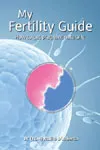
My Fertility Guide by Dr (TCM) Attilio D’Alberto is a comprehensive, evidence-based guide to natural conception, based on over 350 peer-reviewed research studies and 25 years of clinical experience. It blends cutting-edge science with the proven theories of traditional Chinese medicine to give you a complete, practical and easy-to-understand resource for improving your fertility.
The book covers the menstrual cycle and how to identify your fertile window, how to improve egg quality and sperm quality, optimising your diet, lifestyle and environment for conception, evidence-based supplements for both men and women, the most common fertility conditions including PCOS, endometriosis and low AMH, and the role of acupuncture and Chinese herbal medicine in improving fertility outcomes. Available in paperback, Kindle and ebook from Amazon, Waterstones and all major bookshops.
Once you conceive — My Pregnancy Guide by Dr (TCM) Attilio D’Alberto is the companion week-by-week guide to a healthy pregnancy and labour, combining evidence-based medicine with traditional Chinese medicine.
Treatment at my Wokingham clinic
I treat uterine fibroids at my clinic at 49 Denmark Street, Wokingham, RG40 2AY. Patients travel from across Berkshire — Reading, Bracknell, Twyford, Crowthorne, Sandhurst and the wider Thames Valley — for combined treatment with acupuncture and Chinese herbal medicine. The clinic is a short walk from Wokingham town centre with on-street parking nearby and good rail links from Reading and Bracknell.
The initial 90-minute consultation covers a full history of your fibroids, current medications, lifestyle factors and known triggers. Tongue and pulse diagnosis identifies the underlying TCM pattern, which guides the choice of acupuncture points and any Chinese herbal prescription. The first session usually includes a full acupuncture treatment so you experience the technique before committing to a longer course.
Follow-up sessions are 60 minutes. The typical initial course is 6-12 months of weekly sessions, with monthly maintenance thereafter for fibroid-related symptom control. Online Chinese herbal medicine consultations are available throughout the UK for patients who cannot attend the clinic in person; for the acupuncture itself you do need to come to the Wokingham clinic. I am a member of the British Acupuncture Council (BAcC) and the Register of Chinese Herbal Medicine (RCHM), and treatments are documented with patient consent and shared with your GP where appropriate.
10. References
Chen NN, et al. Chinese herbal medicine Guizhi Fuling Formula for treatment of uterine fibroids: a systematic review of randomised clinical trials. BMC Complementary and Alternative Medicine. 2014;14:2. doi: 10.1186/1472-6882-14-2.
Meng W, et al. Randomized double-blind trial comparing low dose and conventional dose of a modified traditional herbal formula Guizhi Fuling Wan in women with symptomatic uterine fibroids. Journal of Ethnopharmacology. 2022;283:114676. doi: 10.1016/j.jep.2021.114676.
Luo X, et al. The efficacy and safety of Chinese herbal medicine Guizhi Fuling capsule combined with low dose mifepristone in the treatment of uterine fibroids: a systematic review and meta-analysis of 28 randomized controlled trials. BMC Complementary Medicine and Therapies. 2023;23:54. doi: 10.1186/s12906-023-03842-y.
Chen T, et al. Acupuncture combined with Chinese herbs versus Chinese herbs alone to improve the clinical efficacy of uterine fibroids: a systematic review and meta-analysis. Frontiers in Oncology. 2024;14:1456809. doi: 10.3389/fonc.2024.1456809.
Ye F, et al. Efficacy of Chinese herbal medicines combined with high-intensity focused ultrasound for patients with uterine fibroids: a meta-analysis with core herbs exploration. Journal of Ethnopharmacology. 2025. doi: 10.1016/j.jep.2025.119615.
Related Chinese herbal formulas
Classical Chinese herbal formulas that may be clinically relevant for fibroids, depending on TCM pattern differentiation:
- Gu Chong Tang — (alongside conventional care)
- Zhe Chong Yin — the primary indication
A practitioner selects from these based on the individual TCM pattern identified in consultation. Read more about Chinese herbal medicine or book an online herbal consultation.
Can Chinese medicine help fibroids without surgery in Wokingham?
Yes — many patients in Wokingham use combined acupuncture and Chinese herbal medicine to manage fibroids without proceeding to myomectomy or hysterectomy. The principal formula is Gui Zhi Fu Ling Wan (Cinnamon Twig and Poria Pill), which targets the underlying Blood-stasis pattern. Substantial reduction in heavy bleeding, dysmenorrhoea and abdominal pressure typically develops over 3-6 months. Volume reduction develops more slowly, over 6-12 months.
How long do Chinese herbs take to shrink fibroids?
Substantial volume reduction typically requires 6-12 months of consistent treatment combining Gui Zhi Fu Ling Wan family formulas with weekly acupuncture. Symptom improvement (reduced bleeding, less pain, less abdominal pressure) usually appears within 2-3 menstrual cycles, much earlier than measurable volume reduction. For large or rapidly growing fibroids, gynaecological assessment for surgical intervention may still be needed alongside herbal treatment.
Can fibroids prevent pregnancy?
Submucosal fibroids (those affecting the uterine cavity) reduce implantation rates significantly and require surgical removal pre-conception. Intramural fibroids (within the muscle wall) >4cm reduce IVF success rates and are often removed. Subserosal fibroids (on the outer surface) rarely affect fertility. TCM treatment combined with the conventional fertility pathway helps reduce flare-related cycle disruption and may improve uterine receptivity.
Do fibroids cause heavy periods (menorrhagia)?
Yes — submucosal and intramural fibroids are the most common cause of heavy menstrual bleeding (HMB) in women aged 30-50. TCM treats fibroid-related HMB with combined Blood-moving formulas (Gui Zhi Fu Ling Wan) and Blood-stopping additions during the bleeding phase. Most patients see meaningful reduction in bleeding volume within 2-3 cycles. For very heavy bleeding, tranexamic acid or hormonal management may be needed alongside.
What lifestyle changes help fibroids?
Reduce: alcohol (oestrogenic), red meat (inflammatory), high-fat dairy, ultra-processed food, soya in excess. Increase: green leafy vegetables (DIM, calcium D-glucarate metabolism), cruciferous vegetables (broccoli, cabbage, kale), green tea, omega-3-rich fish, vitamin D adequacy. Maintain healthy weight (adipose tissue produces oestrogen). Avoid xenoestrogens (BPA plastics, fragranced toiletries).
Prefer to be treated from home? Chinese herbal medicine online consultations are available throughout the UK and worldwide. After a full video consultation, Dr (TCM) Attilio D'Alberto formulates a bespoke herbal prescription and posts your Chinese herbs directly to your door. For patients in North America, herbs are posted from within the USA; for those in Europe, herbs are posted from the Netherlands, for faster delivery with no customs delays.















