





Morning sickness - Wokingham, Berkshire
I treat morning sickness in pregnancy at my Wokingham, Berkshire clinic using a combined approach of acupuncture, Chinese herbal medicine and lifestyle advice tailored to the underlying TCM pattern driving the condition. Patients across Berkshire — Reading, Henley-on-Thames, Maidenhead, Bracknell, Crowthorne, Twyford and the wider Thames Valley — come to the clinic for evidence-based morning sickness in pregnancy treatment with 25+ years of clinical experience.
On this page
- Overview
- Symptoms and severity
- Causes
- Morning sickness in Chinese medicine
- Acupuncture for morning sickness
- Acupressure for morning sickness
- Chinese herbal medicine for morning sickness
- Self-care and dietary advice
- Treatment at my clinic
- Frequently asked questions
- My Pregnancy Guide
- References
1. What is morning sickness?
Morning sickness — nausea and vomiting in pregnancy (NVP) — affects 70–85% of pregnant women, typically starting around week 6, peaking weeks 8–10 and subsiding by weeks 12–16. At its most severe end it becomes hyperemesis gravidarum (HG), affecting 0.5–2% of pregnancies and requiring medical management.
Morning sickness — the nausea and vomiting experienced during pregnancy (NVP) — is one of the most common symptoms of early pregnancy, affecting around 70 to 85 per cent of pregnant women. Despite the name, it does not necessarily occur only in the morning; it can last throughout the day or occur predominantly in the evening, and many women experience it continuously around the clock. For most women, symptoms begin around week 6, peak around weeks 8 to 10, and typically subside between weeks 12 and 16, though in some cases they persist throughout the pregnancy.
For a significant proportion of women, morning sickness causes real suffering and disruption to daily life, work and relationships. At its most severe end, it becomes hyperemesis gravidarum (HG) — a serious condition requiring medical intervention. Acupuncture and Chinese herbal medicine provide safe, well-evidenced, drug-free options for managing NVP at all levels of severity, and have been shown in multiple systematic reviews to significantly reduce nausea and vomiting in pregnancy. Acupressure at PC6 (Neiguan) — the acupuncture point used to treat nausea — is also effective and can be applied self-reliantly between treatment sessions using wristbands.
2. Symptoms and severity of morning sickness
Morning sickness ranges from mild NVP (occasional vomiting that does not affect daily life) through moderate NVP (frequent vomiting that disrupts eating and work) to severe NVP and hyperemesis gravidarum (persistent vomiting with weight loss above 5%, dehydration and electrolyte imbalance — requiring hospital management).
Nausea and vomiting in pregnancy exists on a spectrum from mild background nausea to the severe, life-threatening condition of hyperemesis gravidarum. It is most usefully categorised into three clinical levels:
- Mild NVP — nausea with occasional vomiting that does not significantly interfere with daily activities or nutrition; the most common presentation, manageable with dietary modifications and self-care measures
- Moderate NVP — frequent nausea and vomiting that affects the ability to eat, work and carry out normal activities; associated with fatigue, anxiety and reduced quality of life; often requires treatment
- Severe NVP and hyperemesis gravidarum (HG) — affecting approximately 0.5–2% of pregnancies; characterised by persistent vomiting, significant weight loss (over 5% of pre-pregnancy weight), dehydration, ketonuria and electrolyte imbalance. HG requires prompt medical management including intravenous fluids and electrolyte replacement, and sometimes nutritional support. Vitamin B1 (thiamine) is given alongside anti-emetic medications to prevent neurological complications. Severe NVP can also cause hyperthyroidism. Hyperemesis gravidarum usually resolves by week 18 but can persist throughout pregnancy in severe cases
Associated symptoms in moderate-to-severe NVP include extreme fatigue, weight loss, low mood and anxiety, food and smell aversions, difficulty maintaining adequate hydration and nutrition, and in severe cases difficulty functioning at work or at home.
3. What causes morning sickness?
The dominant cause of morning sickness is the rapid rise of hCG and oestrogen in early pregnancy, amplified by heightened smell sensitivity, slowed gastric emptying from progesterone, possible H. pylori infection, low vitamin B6/B1/zinc, and psychological stress.
The exact causes of morning sickness are not fully understood, but the predominant driver is the rapid rise in human chorionic gonadotrophin (hCG) hormone in early pregnancy — the same hormone detected by pregnancy tests — which peaks at around the same time as symptoms are most severe. Oestrogen levels also rise steeply in early pregnancy and contribute to the nausea. The relationship between hCG levels and NVP severity is supported by the observation that conditions associated with very high hCG (such as multiple pregnancies and molar pregnancies) are associated with more severe symptoms. Additional contributing factors include:
- Smell and sensory sensitivity — the heightened olfactory sensitivity of early pregnancy means that odours such as cooking smells (especially fried foods and seafood), coffee, cigarette smoke, cleaning products and artificial fragrances including perfume and air fresheners can all trigger acute episodes of nausea and vomiting. Research has confirmed that women with NVP demonstrate worse health outcomes and are more severely affected by odours than those without symptoms
- Gastric motility changes — progesterone relaxes smooth muscle throughout the body in early pregnancy, including the stomach and oesophagus; this slows gastric emptying, increases gastric acid reflux and contributes to nausea
- Helicobacter pylori infection — a higher prevalence of H. pylori has been found in women with NVP and HG; this bacterium irritates the gastric lining and may exacerbate nausea
- Nutritional deficiencies — low levels of vitamin B6 (pyridoxine), vitamin B1 (thiamine) and zinc have been implicated in more severe NVP
- Psychological and stress factors — anxiety and stress do not cause NVP but can worsen its severity and impact on daily functioning
4. Morning sickness in Chinese medicine
In TCM, morning sickness ("E Zu") arises when the Chong channel surging upward in early pregnancy disrupts the descent of Stomach Qi. Four patterns are differentiated: Stomach Qi deficiency with rebellious Qi, Liver Qi invading the Stomach, Phlegm-Damp obstructing the Middle Jiao, and Kidney deficiency failing to anchor the Chong channel.
In traditional Chinese medicine (TCM), nausea and vomiting in pregnancy is known as “E Zu” (literally “pregnancy obstruction”) or “Ren Chen E Zu”. In TCM theory, the Chong channel (Sea of Blood) surges upward in early pregnancy to nourish the growing fetus; in women with certain constitutional weaknesses, this uprising of Qi in the Chong channel disrupts the normal downward-descending movement of Stomach Qi and causes rebellious Stomach Qi to rise — producing nausea and vomiting. The specific TCM pattern determines the appropriate treatment approach:
- Stomach Qi deficiency — Rebellious Stomach Qi (most common) — mild nausea, retching and vomiting of clear fluid or undigested food; worse in the morning or when the stomach is empty; improved by eating small amounts; accompanied by fatigue, poor appetite and a pale tongue. This pattern reflects a constitutionally weak Stomach that cannot maintain normal descending function under the increased Qi demands of pregnancy. Treatment harmonises the Stomach, descends rebellious Qi and tonifies Spleen and Stomach Qi; key acupoints PC6 (Neiguan), ST36 (Zusanli), CV12 (Zhongwan) and SP4 (Gongsun)
- Liver Qi invading the Stomach (Liver-Stomach disharmony) — nausea and vomiting with a more sour or bitter taste; acid reflux; worse with emotional upset, irritability or stress; often accompanied by a bitter taste in the mouth, rib-side distension and a slightly red tongue with a thin yellow coating. The Liver’s tendency to overact on the Stomach is exacerbated in pregnancy as Liver Blood is directed to the uterus. Treatment harmonises the Liver and Stomach, descends Stomach Qi and soothes Liver Qi with PC6 (Neiguan), LR3 (Taichong), ST36 (Zusanli) and CV12 (Zhongwan)
- Phlegm-Damp obstructing the Middle Jiao — nausea with vomiting of Phlegm-fluid or mucus; a heavy sensation in the chest and epigastrium; poor appetite; a thick greasy tongue coating. Phlegm-Damp in the Spleen and Stomach impairs normal Qi transformation and generates upward-moving Phlegm that blocks the Middle Jiao and triggers nausea. Treatment resolves Phlegm-Damp, harmonises the Stomach and supports Spleen transformation, using Ban Xia (Pinellia) and formulae such as Xiao Ban Xia Tang (Minor Pinellia Decoction)
- Kidney deficiency failing to anchor the Chong channel — severe or persistent vomiting, particularly in women who are constitutionally weak or have a history of fertility difficulties; accompanied by lower back weakness, fatigue, dizziness and a pale tongue. In TCM, the Kidney roots the Chong channel; when Kidney Qi is insufficient, the Chong surges excessively upward into the Stomach. Treatment tonifies Kidney Qi and Yin to anchor the Chong channel and settle Stomach Qi
5. How does acupuncture for morning sickness work?
Acupuncture for morning sickness works by stimulating PC6 (Neiguan) to increase vagal tone, regulating the vagal-gastric axis, reducing the brainstem chemoreceptor trigger zone (the same pathway as pharmaceutical anti-emetics), and reducing the stress responses that worsen nausea. Twice-weekly treatment is most effective in the acute phase as each session's effects last 3–4 days.
Acupuncture is a highly effective and safe treatment for nausea and vomiting in pregnancy, working through well-understood physiological mechanisms. As each session’s effects typically last three to four days, treatment twice a week is most effective for achieving sustained relief. Key mechanisms include:
- Stimulating PC6 (Neiguan — the Inner Gate), the primary anti-nausea acupoint located on the inner wrist, which increases vagal tone and modulates the nausea and vomiting centres in the brainstem. Research has confirmed that stimulation of PC6 significantly increases vagal modulation and reduces nausea
- Regulating the vagal-gastric axis: acupuncture at PC6, ST36 (Zusanli) and CV12 (Zhongwan) normalises gastric motility, reduces gastric hypersensitivity and promotes the regular downward movement of food through the stomach — directly addressing the gastric-emptying dysfunction contributing to NVP
- Reducing the activity of the chemoreceptor trigger zone (CTZ) in the brainstem, which controls the vomiting reflex, through the release of endogenous opioids and modulation of serotonin (5-HT3) pathways — the same pathway targeted by pharmaceutical anti-emetics
- Reducing anxiety and stress responses that worsen nausea, through HPA axis regulation and the calming effect of acupuncture on the autonomic nervous system
Research evidence
A systematic review and meta-analysis by Jin et al. (2024), published in Complementary Therapies in Medicine, searched nine databases through May 2024 and included 24 RCTs involving 2,390 pregnant women, finding that acupuncture combined with Western medicine significantly reduced Pregnancy-Unique Quantification of Emesis (PUQE) scores and ineffective rates compared with Western medicine alone. An overview of 25 systematic reviews published in the International Journal of Women’s Health (2025), searching nine databases through January 2024, confirmed that acupuncture and related techniques (acupressure, electroacupuncture, herbal acupoint patching) and herbal medicines are all effective in alleviating NVP across the full range of severity. A further systematic review and meta-analysis by Tan et al. (2023), searching eight databases through October 2022, confirmed that acupuncture was superior to conventional medicine at effective rates for NVP (RR = 1.71, 95% CI: 1.02–2.86).
6. Acupressure for morning sickness
Acupressure for morning sickness is applied at PC6 (Neiguan) on the inner wrist — three finger-breadths above the wrist crease between the two tendons — using Sea-Band wristbands for continuous pressure. A 2024 meta-analysis of 11 RCTs (1,378 women) confirmed significant nausea reduction vs sham and vs control groups.
Acupressure at PC6 (Neiguan — Pericardium 6, the Inner Gate) on the inner wrist is the self-treatment equivalent of the acupuncture anti-nausea point and has a well-established evidence base for reducing morning sickness. PC6 is located three finger-breadths above the wrist crease, between the two tendons (palmaris longus and flexor carpi radialis). Firm, sustained pressure at this point activates the same vagal-gastric and brainstem mechanisms as needle acupuncture at the same location.
Travel sickness wristbands (such as Sea-Bands) apply continuous pressure to PC6 on both wrists and have been shown in research to reduce morning sickness. Multiple clinical trials confirm that applying pressure to PC6 reduces morning sickness severity, including in women with hyperemesis gravidarum. A systematic review and meta-analysis by Wang et al. (2024), published in the Archives of Gynaecology and Obstetrics, included 11 RCTs involving 1,378 pregnant women and found that acupressure significantly improved symptom scores compared with sham acupressure (pooled MD: −1.33; 95% CI: −2.06, −0.61; P < 0.001) and compared with the control group (pooled MD: −0.73; 95% CI: −1.08, −0.39; P < 0.001). A double-blind randomised controlled trial by Negarandeh et al. (2020) also confirmed that auriculotherapy (auricular acupressure) significantly reduces nausea and vomiting in pregnancy.
7. Chinese herbal medicine for morning sickness
The classical Chinese herbal formulas used for morning sickness are Xiao Ban Xia Tang (Minor Pinellia Decoction, Phlegm-Damp pattern), Ban Xia Hou Po Tang (with anxiety and plum-stone throat), and Su Ye Huang Lian Tang modifications (Liver-Stomach disharmony with acid reflux) — combined with Sheng Jiang (ginger), Sha Ren (amomum) and Huang Lian as targeted single herbs.
Chinese herbal medicine provides daily support between acupuncture sessions and is particularly important for moderate-to-severe NVP and HG, where continuous anti-nausea coverage is needed. Herbal prescriptions are individually tailored to the patient’s TCM pattern and chosen for their safety in pregnancy. Commonly used formulae and herbs include:
- Xiao Ban Xia Tang (Minor Pinellia Decoction) — one of the oldest classical formulae for vomiting in pregnancy; contains Zhi Ban Xia (processed Pinellia) and Sheng Jiang (fresh ginger); harmonises the Stomach and descends rebellious Qi; commonly used in TCM practice for the Phlegm-Damp pattern with vomiting of Phlegm-fluid
- Ban Xia Hou Po Tang (Pinellia and Magnolia Bark Decoction) — for NVP with prominent anxiety, a sensation of something stuck in the throat (plum-stone throat), and the Liver Qi stagnation pattern; resolves Phlegm, moves Qi and calms the Shen
- Su Ye Huang Lian Tang modifications — for the Liver-Stomach disharmony pattern with bitter taste, acid regurgitation and strong emotional volatility; soothes Liver Qi and clears Heat from the Stomach
- Ginger (Sheng Jiang / dried ginger) — one of the most important individual herbs for NVP; warms the Middle Jiao, harmonises the Stomach and descends rebellious Qi. Ginger has a good evidence base for reducing nausea in pregnancy; it can be taken as ginger tea, ginger biscuits or ginger supplements. If heartburn or acid reflux is present, mint or peppermint can be substituted
- Huang Lian (Coptis) — for the more inflammatory, heat-type patterns of NVP with a bitter taste and acid reflux; used in small doses within a balanced formula
- Sha Ren (Amomum) — a warming, Qi-moving herb that settles the Stomach, stops nausea and supports the Spleen’s transforming function; one of the most commonly used pregnancy-safe herbs for digestive discomfort
All herbs prescribed at this clinic are pharmaceutical-grade granule extracts supplied by Sun Ten (Taiwan), ensuring consistent potency and safety. Herbal prescriptions in pregnancy are selected with particular care for safety, using only herbs with a long established record of use in pregnancy. An online Chinese herbal medicine consultation is available for those unable to attend in person.
8. Self-care and diet for morning sickness
Self-care for morning sickness: eat little and often (never let the stomach empty), wear PC6 acupressure wristbands, use ginger tea or biscuits, sip cold fluids in small amounts, avoid smell triggers (cooking smells, coffee, perfumes), rest, avoid large rich meals, and take vitamin B6 with vitamin B1 in severe cases.
The following self-care measures can be used alongside acupuncture and herbal medicine to reduce morning sickness:
- Eat little and often — an empty stomach worsens nausea; eating small amounts every two hours keeps blood sugar stable and prevents the stomach from becoming empty. Eating plain food — such as crackers, dry toast or rice cakes — before getting out of bed in the morning helps to manage the morning component of NVP
- Wear acupressure wristbands — travel sickness bands applying pressure to PC6 (Neiguan) on the inner wrist have been shown to reduce morning sickness severity and can be worn throughout the day for continuous relief
- Ginger — ginger tea, ginger biscuits, crystallised ginger or ginger capsules all have evidence for reducing nausea. If heartburn or acid reflux is present, substitute with mint or peppermint tea instead
- Stay hydrated — sipping fluids frequently in small amounts is more tolerable than large drinks; cold fizzy water (carbonated water without sugar, caffeine or artificial sweeteners) can be particularly settling for some women; cold and room-temperature fluids are often better tolerated than hot drinks
- Avoid triggers — identify and avoid individual smell and food triggers; cooking smells (especially fried foods and seafood), coffee, cigarette smoke, cleaning products and strong perfumes are the most commonly reported triggers; good ventilation and fresh air can help
- Rest adequately — fatigue worsens nausea; resting when possible and avoiding overexertion helps to manage symptom severity. Sleep disturbance and anxiety also worsen NVP and should be addressed as part of treatment
- Avoid large meals and rich foods — large portions and high-fat, spicy or rich foods are more difficult to digest and are more likely to trigger vomiting; small, bland meals are better tolerated in the first trimester
- Vitamin B6 (pyridoxine) — supplementation with vitamin B6 has evidence for reducing nausea in pregnancy and is recommended in RCOG guidelines as a first-line option; vitamin B1 (thiamine) supplementation is important in women with severe NVP or HG to prevent neurological complications
Additional acupuncture points used alongside PC 6
Beyond PC 6, acupuncture treatment for morning sickness addresses the underlying TCM pattern. Key additional points include ST 36 (Zusanli) to strengthen the Stomach and Spleen; SP 4 (Gongsun) which pairs with PC 6 to open the Chong vessel; CV 12 (Zhongwan) used with care in early pregnancy; and ear points including Stomach and Shen Men. Sea-Band travel-sickness wristbands — widely available from pharmacies — position a small bead over PC 6 and provide continuous pressure between sessions, evidence-based and safe to wear on both wrists throughout the day. Most women feel significantly better by the second or third acupuncture treatment; typical course is weekly during peak symptoms, tapering as the pregnancy progresses.
9. Treatment at my clinic
I treat morning sickness and nausea and vomiting in pregnancy at my clinic in Wokingham, Berkshire. Treatment combines acupuncture with individually prescribed Chinese herbal medicine, which is taken daily between sessions to provide continuous anti-nausea support. As the effects of each acupuncture session typically last three to four days, twice-weekly treatment is recommended during the acute phase of NVP. As symptoms improve, frequency can be reduced to weekly and then as needed.
Treatment is safe throughout pregnancy; acupuncture points and herbal prescriptions are carefully selected for safety in the first trimester and beyond. For women with hyperemesis gravidarum, acupuncture and herbal medicine work alongside conventional medical management (intravenous fluids, anti-emetic medication) to reduce symptom burden and support recovery. Related pages that may be of interest include healthy pregnancy support, pregnancy pain and prebirth acupuncture. Visit the prices page for treatment costs.
10. Frequently asked questions
Is acupuncture safe for morning sickness during pregnancy?
Yes. Acupuncture is safe during pregnancy when performed by a qualified practitioner who is experienced in treating pregnant women. A carefully selected set of acupoints is used, avoiding points that are contraindicated in pregnancy. Multiple clinical trials and systematic reviews of acupuncture for NVP confirm its safety alongside its effectiveness. It is a preferred treatment for pregnant women who wish to avoid or minimise medication use.
Which acupuncture point helps morning sickness?
The primary acupuncture point for nausea — including morning sickness — is PC6 (Neiguan, the Inner Gate), located on the inner wrist three finger-breadths above the wrist crease between the two tendons. Stimulation of this point increases vagal tone, modulates the brainstem vomiting centre, and has been confirmed in multiple clinical trials to reduce nausea and vomiting. It is the point targeted by travel sickness wristbands, which apply sustained pressure to PC6 throughout the day. In acupuncture treatment, additional points including ST36 (Zusanli), CV12 (Zhongwan) and SP4 (Gongsun) are combined with PC6 to address the specific underlying TCM pattern.
How many sessions are needed for morning sickness?
Most women experience significant improvement within two to four sessions. As the effects of each session last three to four days, twice-weekly treatment is recommended during the acute phase. Once symptoms improve, frequency can be reduced. Chinese herbal medicine taken daily between sessions provides continuous support and significantly enhances the results of acupuncture, often allowing faster resolution of symptoms.
Can Chinese herbs be taken safely during pregnancy for morning sickness?
Yes, with appropriate prescribing. A carefully selected range of Chinese herbs has a long established safety record in pregnancy and is specifically targeted at the TCM patterns underlying NVP. Formulae such as Xiao Ban Xia Tang (containing processed Pinellia and ginger) and preparations containing Sha Ren (Amomum) and Sheng Jiang (fresh ginger) are classical treatments for pregnancy nausea. All herbal prescriptions in pregnancy are chosen with particular care, using only herbs with an established safety record, and are reviewed regularly as the pregnancy progresses.
What is hyperemesis gravidarum and can acupuncture help?
Hyperemesis gravidarum (HG) is a severe form of NVP affecting approximately 0.5–2% of pregnancies, characterised by persistent vomiting, significant weight loss, dehydration and ketonuria, often requiring hospital admission. Acupuncture and Chinese herbal medicine can be used alongside conventional medical treatment (intravenous fluids, electrolytes, anti-emetics) to reduce symptom severity and support recovery. Research on acupressure at PC6 for hyperemesis gravidarum, including the Shin et al. (2007) study on Neiguan acupressure reducing ketonuria levels, supports this approach. If you are experiencing suspected HG, please contact your doctor or midwife promptly.
11. My Pregnancy Guide
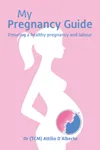
My Pregnancy Guide by Dr (TCM) Attilio D’Alberto is a comprehensive week-by-week guide to a healthy pregnancy and labour, based on over 750 peer-reviewed research studies and 25 years of clinical experience. It blends the latest evidence-based science with the proven theories of traditional Chinese medicine to give you everything you need for a confident, well-supported pregnancy and a positive birth experience.
The book covers pregnancy week by week, an optimal pregnancy diet and supplements, how to reduce your baby’s risk of developing autism, managing complications including gestational diabetes and pre-eclampsia, preparing for labour, pain relief options, acupuncture for labour induction, natural herbs to support birth, and postnatal recovery. Available in paperback, Kindle and ebook from Amazon, Waterstones and all major bookshops.
12. References
Norwitz, Errol. Obstetrics & Gynecology at a Glance. Oxford: Blackwell Sciences Ltd, 2001.
Swallow B. Women with nausea and vomiting in pregnancy demonstrate worse health and are adversely affected by odours. J Obstet Gynaecol. 2005;25.
de Aloysio D, Penacchioni P. Morning sickness control in early pregnancy by Neiguan point acupressure. Obstet Gynecol. 1992;80(5).
Impey L, Child T. Obstetrics & Gynaecology. Chichester: John Wiley & Sons, 2012.
How is nausea treated across Berkshire and the Thames Valley?
Patients with nausea travel to my Wokingham clinic from across Berkshire — Reading, Bracknell, Twyford, Crowthorne and Sandhurst — typically along the A329 and M4 corridor. The journey time from anywhere in central Berkshire is under 30 minutes. Treatment combines acupuncture and Chinese herbal medicine alongside conventional medical care; most patients see meaningful improvement over 8–12 weeks of weekly treatment, with monthly maintenance afterwards.
How is nausea treated across Berkshire and the Thames Valley?
Patients with nausea travel to my Wokingham clinic from across Berkshire — Reading, Bracknell, Twyford, Crowthorne and Sandhurst — typically along the A329 and M4 corridor. The journey time from anywhere in central Berkshire is under 30 minutes. Treatment combines acupuncture and Chinese herbal medicine alongside conventional medical care; most patients see meaningful improvement over 8–12 weeks of weekly treatment, with monthly maintenance afterwards.
How is nausea treated across Berkshire and the Thames Valley?
Patients with nausea travel to my Wokingham clinic from across Berkshire — Reading, Bracknell, Twyford, Crowthorne and Sandhurst — typically along the A329 and M4 corridor. The journey time from anywhere in central Berkshire is under 30 minutes. Treatment combines acupuncture and Chinese herbal medicine alongside conventional medical care; most patients see meaningful improvement over 8–12 weeks of weekly treatment, with monthly maintenance afterwards.















