


Sperm DNA fragmentation - Wokingham, Berkshire
I treat sperm DNA fragmentation at my Wokingham, Berkshire clinic using a combined approach of acupuncture, Chinese herbal medicine and lifestyle advice tailored to the underlying TCM pattern driving the condition. Patients across Berkshire — Reading, Henley-on-Thames, Maidenhead, Bracknell, Crowthorne, Twyford and the wider Thames Valley — come to the clinic for evidence-based sperm DNA fragmentation treatment with 25+ years of clinical experience.
On this page
- What is sperm DNA fragmentation?
- Impact on fertility and IVF
- Causes of sperm DNA fragmentation
- Sperm DNA fragmentation in traditional Chinese medicine
- Acupuncture for sperm DNA fragmentation
- Chinese herbal medicine for sperm DNA fragmentation
- Self-care and lifestyle
- Commonly asked questions
- My Fertility Guide
- References
1. What is sperm DNA fragmentation?
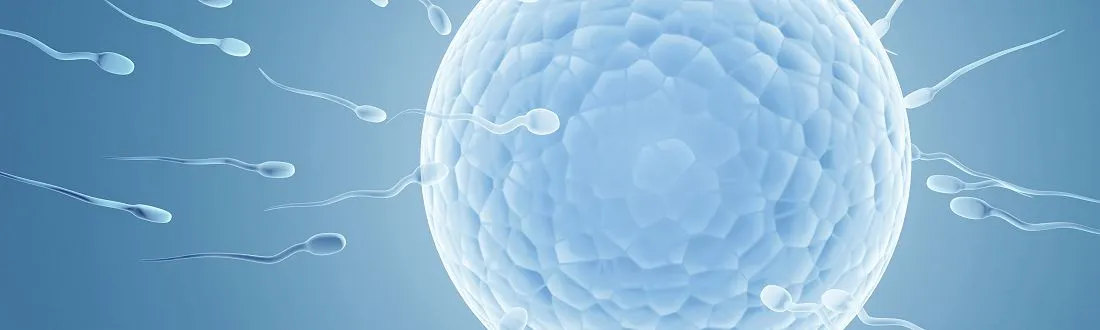
Sperm DNA fragmentation (SDF) refers to breaks or damage within the genetic material (DNA) carried by the sperm cell. When a sperm fertilises an egg, it must deliver its DNA intact to form half of the embryo’s genetic blueprint. If that DNA is significantly damaged or fragmented, the embryo may not develop properly — leading to failed fertilisation, poor embryo quality, implantation failure, early miscarriage or, in some cases, foetal anomalies.
Sperm DNA fragmentation is measured as the DNA fragmentation index (DFI) — the percentage of sperm in a sample showing significant DNA damage. A DFI below 15% is considered normal; 15–25% is borderline; above 25% is elevated and clinically significant; above 30% is associated with substantially reduced fertility and increased miscarriage risk. Crucially, sperm DNA fragmentation is not detected by a standard semen analysis — a man can have a completely normal count, motility and morphology and still have a high DFI. This makes it a frequently missed cause of infertility and recurrent miscarriage, particularly when the female partner’s investigations are also normal.
I treat sperm DNA fragmentation at my clinic in Wokingham, Berkshire. Online herbal consultations are available for patients who cannot attend in person.
2. DNA fragmentation and fertility impact
The clinical consequences of elevated sperm DNA fragmentation are significant:
- Reduced natural conception rates — high DFI reduces the probability of natural conception, even when all other semen parameters are normal. The DNA-damaged sperm may fertilise the egg, but the embryo often fails to develop normally or arrests early
- Increased miscarriage risk — elevated SDF is one of the most consistently identified male factors in recurrent miscarriage. A landmark meta-analysis found a two-fold increase in miscarriage risk in couples where the male partner had high DFI
- Poor IVF embryo quality — DNA-fragmented sperm can fertilise eggs through IVF and ICSI but produce embryos that arrest early, fail to reach blastocyst stage, or implant poorly. Studies show that DFI above 25% significantly reduces IVF and ICSI success rates
- ICSI does not eliminate the problem — a common misconception is that ICSI (intracytoplasmic sperm injection) bypasses the issue by selecting individual sperm. However, ICSI cannot reliably distinguish between intact and fragmented DNA under the microscope using standard selection criteria, meaning damaged sperm are still injected and poor outcomes persist
- Repeated IVF failure — in couples with unexplained repeated IVF failure, elevated DFI in the male partner is one of the most important and actionable diagnoses to investigate
3. Causes of sperm DNA fragmentation
Sperm DNA damage occurs primarily through two mechanisms: oxidative stress (reactive oxygen species damaging the DNA during sperm production and transit) and apoptosis (incomplete programmed cell death that leaves DNA-fragmented sperm in the ejaculate). The main contributing factors are:
- Oxidative stress — the most important and modifiable cause. An imbalance between reactive oxygen species (ROS) and the body’s antioxidant defences in the testis and epididymis damages sperm DNA. Sources of oxidative stress include psychological stress, poor diet, smoking, alcohol, environmental toxins, infection, varicocele and prolonged ejaculatory abstinence
- Varicocele — dilated veins in the scrotum (varicocele) raise testicular temperature and generate significant oxidative stress, producing some of the highest DFI levels seen in clinical practice. Varicocele repair can significantly reduce DFI
- Elevated testicular temperature — the testes require a temperature approximately 2°C below core body temperature for normal sperm production. Prolonged sitting, tight underwear, hot baths, laptop use on the lap and occupational heat exposure all raise testicular temperature and increase DNA fragmentation rates
- Smoking — tobacco smoke is one of the most potent generators of oxidative stress in the male reproductive tract. Smoking is consistently associated with elevated DFI and is an important modifiable factor
- Age — male reproductive ageing is associated with increasing DFI, even in the absence of other risk factors. The DNA repair mechanisms within maturing sperm become less efficient with age
- Genital tract infection — bacterial and viral infections in the male reproductive tract generate inflammatory oxidative stress that directly damages sperm DNA. Subclinical infections without obvious symptoms can still significantly elevate DFI
- Chemotherapy, radiation and certain medications — these directly damage sperm DNA. DFI should be assessed before and after any medical treatment that could impair spermatogenesis
- Poor diet and nutritional deficiencies — antioxidant-poor diets low in zinc, selenium, folate, vitamin C and vitamin E reduce the antioxidant capacity of the seminal plasma, leaving sperm DNA exposed to oxidative damage during transit
4. Sperm DNA fragmentation in traditional Chinese medicine
In traditional Chinese medicine, sperm quality — including the integrity of the genetic material it carries — is governed primarily by the Kidney, which stores the Jing (Essence) and generates the reproductive potential of both men and women. Sperm DNA fragmentation in TCM reflects a depletion or disruption of Kidney Jing and Essence, combined with the generation of pathological Heat or toxins that damage the Essence directly. The key patterns are:
- Kidney Yin deficiency with Empty Heat — the most common pattern in men with elevated DFI, particularly those who are constitutionally depleted by overwork, poor sleep, excessive sexual activity or chronic illness. When Kidney Yin is insufficient, Empty Heat rises and generates the oxidative-equivalent internal heat that damages the Essence and sperm DNA. Signs include night sweats, low back ache, disturbed sleep, restlessness, a dry mouth and a tendency to feel warm. The tongue is typically red with little or no coating
- Kidney Yang deficiency — in men with a cold constitution, fatigue, cold limbs, reduced libido and a low sperm count alongside elevated DFI, Kidney Yang deficiency is the primary pattern. The Yang is insufficient to generate the warmth needed for robust spermatogenesis and Essence production, leaving the sperm poorly formed and structurally weak
- Damp-Heat in the Lower Jiao — in men with a history of genital tract infection, varicocele or a diet high in alcohol, spicy foods and damp-generating foods, Damp-Heat accumulates in the Lower Jiao (the lower abdominal and pelvic region), generating the inflammatory, toxic environment that directly damages sperm DNA. Signs include scrotal warmth or discomfort, dark urine, a tendency to feel hot and a greasy yellow tongue coating
- Qi and Blood stagnation — in men with varicocele, which in TCM represents a direct obstruction of Qi and Blood circulation in the lower jiao and scrotum, the resulting stagnation generates Heat and toxins that impair Essence quality
- Liver Qi stagnation generating Heat — in men under significant stress, Liver Qi stagnates and transforms into Heat, which rises and damages the Kidney Essence. Stress is one of the most significant and underappreciated drivers of elevated DFI in clinical practice
5. Acupuncture for sperm DNA fragmentation
Acupuncture addresses sperm DNA fragmentation through several mechanisms:
- Reducing systemic and local oxidative stress through its antioxidant neuroimmune effects, directly reducing the primary mechanism of sperm DNA damage
- Improving testicular blood flow and reducing scrotal temperature, addressing the thermal and ischaemic factors that contribute to oxidative sperm DNA damage
- Regulating the hypothalamic-pituitary-gonadal axis to optimise testosterone and FSH balance, supporting robust spermatogenesis and reducing the rate of apoptotic DNA-damaged sperm entering the ejaculate
- Reducing cortisol and sympathetic nervous system activation, relieving the stress-mediated oxidative stress that is a major driver of DFI elevation in modern men
- Reducing inflammatory mediators in the genital tract associated with subclinical infection-related DFI elevation
Research evidence
A landmark randomised controlled trial by Siterman et al. (1997), published in Asian Journal of Andrology, found that acupuncture significantly improved sperm quality including DNA integrity in infertile men. A subsequent study by Pei et al. (2005), published in Fertility and Sterility, found that acupuncture significantly improved several sperm parameters including the proportion of sperm with structural integrity, suggesting reduced DNA fragmentation. A systematic review by Guo et al. (2017) of acupuncture for male infertility confirmed improvements in sperm quality parameters across multiple RCTs. Research by Fathi Moghaddam et al. (2020) confirmed that acupuncture reduces oxidative stress markers in seminal plasma — directly targeting the primary mechanism of sperm DNA fragmentation.
I am a member of the British Acupuncture Council and have over 25 years of experience treating male fertility conditions including sperm DNA fragmentation.
6. Chinese herbal medicine for sperm DNA fragmentation
Chinese herbal medicine is particularly powerful for sperm DNA fragmentation because it can simultaneously nourish the Kidney Jing that governs sperm quality, clear the pathological Heat or Damp-Heat that drives oxidative DNA damage, and provide potent antioxidant activity through many individual herbs whose clinical effects have been confirmed in modern research.
The foundational formula for Kidney deficiency patterns is Liu Wei Di Huang Wan (Six-Ingredient Rehmannia Pill) for Yin deficiency patterns, and Jin Gui Shen Qi Wan (Kidney Qi Pill from the Golden Cabinet) for Yang deficiency. For Damp-Heat patterns, Long Dan Xie Gan Tang (Gentiana Drain the Liver Decoction) clears Damp-Heat from the Lower Jiao. A classical formula specifically for male infertility is Wu Zi Yan Zong Wan (Five Seed Formula to Increase Progeny) — a combination of five seed herbs including Tu Si Zi (Cuscuta), Gou Qi Zi (Lycium), Fu Pen Zi (Rubus), Wu Wei Zi (Schisandra) and Che Qian Zi (Plantain seed) that nourish the Kidney Jing and Essence and have documented antioxidant and sperm-protective effects.
Individual herbs with specific research relevance to sperm DNA integrity include: Gou Qi Zi (Lycium/Goji berry, rich in betaine and zeaxanthin with documented antioxidant protection of sperm DNA), Wu Wei Zi (Schisandra, a powerful antioxidant adaptogen that reduces oxidative stress in the reproductive tract), He Shou Wu (Polygonum multiflorum, tonifies Kidney Jing and has documented sperm-protective effects), and Shan Zhu Yu (Cornus officinalis, nourishes Kidney Yin and reduces oxidative damage to reproductive cells).
Sperm take approximately 74 days to mature (spermatogenesis), so treatment should be continued for a minimum of three months before reassessing DFI. The herbs I prescribe are pharmaceutical-grade granules from Sun Ten in Taiwan. For patients who cannot attend in person, online consultations are available with herbs dispensed by post.
7. Self-care and lifestyle
- Stop smoking — the single most impactful lifestyle change for reducing DFI. Smoking is one of the most potent generators of oxidative sperm DNA damage. DFI improves measurably within three months of stopping
- Reduce alcohol — alcohol generates oxidative stress and impairs antioxidant defences. Reducing to fewer than 4 units per week, and ideally abstaining during the treatment period, significantly benefits sperm DNA integrity
- Antioxidant supplementation — a combination of antioxidants including vitamin C (1,000 mg/day), vitamin E (400 IU/day), CoQ10 (200–600 mg/day), zinc (25–30 mg/day), selenium (100–200 mcg/day) and folate (5 mg/day) has strong evidence for reducing DFI and is an important complement to herbal treatment
- Reduce testicular heat — switch to loose-fitting boxer shorts, avoid hot baths and saunas, keep laptops off the lap, take breaks from prolonged sitting and avoid occupational heat sources. Each 1°C reduction in scrotal temperature measurably benefits sperm production
- Manage stress — psychological stress generates oxidative stress via cortisol and catecholamine pathways. Regular exercise, adequate sleep, mindfulness and acupuncture all reduce the oxidative burden on sperm DNA
- Ejaculate regularly — prolonged abstinence (more than five days) increases DFI because sperm accumulate oxidative damage during storage in the epididymis. Ejaculating every two to three days keeps the sperm pipeline refreshed with newer, less DNA-damaged sperm
- Eat a Mediterranean-style diet — a diet rich in vegetables, fruit, oily fish, nuts, seeds, olive oil and whole grains provides the antioxidant nutrients that protect sperm DNA. Reducing processed meat, refined carbohydrates, trans fats and alcohol reduces the pro-oxidant burden on the male reproductive tract. See Chinese food therapy for detailed dietary guidance
- Investigate and treat varicocele — if a varicocele has been identified, discuss surgical or radiological treatment with a urologist. Varicocele repair produces some of the most dramatic reductions in DFI seen in clinical practice
8. Commonly asked questions about sperm DNA fragmentation
Can high sperm DNA fragmentation be reduced?
Yes — sperm DNA fragmentation is one of the most modifiable male fertility parameters. Because sperm are replaced every 74 days, aggressive antioxidant therapy, lifestyle changes, acupuncture and Chinese herbal medicine can produce substantial reductions in DFI within three months of treatment. Many patients reduce their DFI from the high-risk above-25% range into the normal below-15% range within one to two spermatogenesis cycles of treatment.
Does sperm DNA fragmentation cause miscarriage?
Yes. A meta-analysis found a two-fold increase in miscarriage risk in couples where the male partner had elevated DFI. When investigating recurrent miscarriage, sperm DNA fragmentation testing should always be included alongside standard female investigations — it is frequently the missing piece of the diagnostic puzzle.
Will ICSI overcome sperm DNA fragmentation?
Not reliably. Standard ICSI selects sperm by visual morphology under the microscope, which cannot distinguish between intact and fragmented DNA. Newer techniques such as PICSI (physiological ICSI) and IMSI (intracytoplasmic morphologically selected sperm injection) offer better sperm selection, and testicular sperm extraction (TESA/TESE) — where sperm are taken directly from the testis before epididymal oxidative damage occurs — can bypass some of the damage. However, the most effective approach is to reduce the DFI itself before any assisted reproduction procedure.
How is sperm DNA fragmentation tested?
SDF is measured by a sperm DNA fragmentation test, separate from a standard semen analysis. The most common methods are TUNEL (terminal deoxynucleotidyl transferase dUTP nick end labelling), SCD (sperm chromatin dispersion) and COMET assay. Ask your doctor or fertility clinic for a referral, or arrange it through a private andrology laboratory. Testing is typically repeated after three months of treatment to assess response.
How long does treatment take to reduce DFI?
Because spermatogenesis takes approximately 74 days, any intervention — whether lifestyle change, supplementation or herbal treatment — requires at least three months before it is reflected in a new DFI test. I recommend a minimum of three months of combined treatment before retesting. Most patients with a DFI in the 25–40% range achieve a clinically significant reduction within three to six months.
9. My Fertility Guide
My Fertility Guide by Dr (TCM) Attilio D’Alberto is a comprehensive, evidence-based guide to natural conception, based on over 350 peer-reviewed research studies and 25 years of clinical experience. It blends cutting-edge science with the proven theories of traditional Chinese medicine to give you a complete, practical and easy-to-understand resource for improving your fertility.
The book covers the menstrual cycle and how to identify your fertile window, how to improve egg quality and sperm quality, optimising your diet, lifestyle and environment for conception, evidence-based supplements for both men and women, the most common fertility conditions including PCOS, endometriosis and low AMH, and the role of acupuncture and Chinese herbal medicine in improving fertility outcomes. Available in paperback, Kindle and ebook from Amazon, Waterstones and all major bookshops.
Once you conceive — My Pregnancy Guide by Dr (TCM) Attilio D’Alberto is the companion week-by-week guide to a healthy pregnancy and labour, combining evidence-based medicine with traditional Chinese medicine.
10. References
Siterman S, Eltes F, Wolfson V, Hauser R, Yavetz H, Bartoov B. Effect of acupuncture on sperm parameters of males suffering from subfertility related to low sperm quality. Archives of Andrology. 1997;39(2):155–161. doi: 10.3109/01485019708987914.
Pei J, Strehler E, Noss U, Abt M, Piomboni P, Baccetti B, Sterzik K. Quantitative evaluation of spermatozoa ultrastructure after acupuncture treatment in infertile men. Fertility and Sterility. 2005;84(1):141–147. doi: 10.1016/j.fertnstert.2004.12.056.
Guo Z, Liu Y, Hu G, Liu H, Xu Y. Acupuncture treatment for male infertility: a systematic review. Asian Journal of Andrology. 2017;19(4):396–400. doi: 10.4103/1008-682X.171026.
Fathi Moghaddam H, et al. Acupuncture and male reproductive function: review of current evidence. Andrologia. 2020;52(11):e13862. doi: 10.1111/and.13862.
Zini A, Libman J. Sperm DNA damage: importance in the era of assisted reproduction. Current Opinion in Urology. 2006;16(6):428–434. doi: 10.1097/01.mou.0000250283.75484.dd.
Osman A, Alsomait H, Seshadri S, El-Toukhy T, Khalaf Y. The effect of sperm DNA fragmentation on live birth rate after IVF or ICSI: a systematic review and meta-analysis. Reproductive BioMedicine Online. 2015;30(2):120–127. doi: 10.1016/j.rbmo.2014.10.018.
Prefer to be treated from home? Chinese herbal medicine online consultations are available throughout the UK and worldwide. After a full video consultation, Dr (TCM) Attilio D'Alberto formulates a bespoke herbal prescription and posts your Chinese herbs directly to your door. For patients in North America, herbs are posted from within the USA; for those in Europe, herbs are posted from the Netherlands, for faster delivery with no customs delays.















