



Acupuncture for fertility - Wokingham, Berkshire
On this page
- How acupuncture helps fertility
- How TCM understands fertility
- Acupuncture for female fertility
- Acupuncture for male fertility
- Acupuncture for IVF
- Fertility conditions I treat
- What happens during a fertility acupuncture session?
- When to have acupuncture for fertility
- Research into acupuncture for fertility
- Commonly asked questions about acupuncture for fertility
- My Fertility Guide
1. How acupuncture helps fertility
Watch my short animated video, which explains how acupuncture and Chinese herbs help women get pregnant — from hormone regulation and egg quality to IVF support.
Acupuncture is one of the most effective complementary treatments available for both male and female infertility. I am a fertility expert with over 25 years of clinical experience and have helped many couples conceive naturally — including those who had been trying for years, those with complex fertility diagnoses and those who had experienced repeated miscarriage. I also work extensively with patients undergoing IVF and ICSI, helping to improve the success rate of assisted conception cycles.
Acupuncture works for fertility through multiple physiological pathways — regulating reproductive hormones, improving blood flow to the uterus and ovaries, improving egg and sperm quality, reducing the stress and anxiety that negatively impact conception, and supporting the immune factors that are essential for successful implantation. It is a genuinely holistic approach that addresses the body as a whole system rather than targeting a single isolated aspect of reproductive function.
I practise at clinics in Wokingham, Berkshire. I also offer online fertility consultations for patients who are unable to attend in person. You can read more about how to get pregnant naturally in my book My Fertility Guide, which covers the menstrual cycle, ovulation, fertility problems and treatment in depth.
2. How TCM understands fertility
In traditional Chinese medicine (TCM), fertility is governed primarily by the Kidney — the organ system that stores the body's fundamental essence (jing), which determines reproductive vitality, egg and sperm quality, and the ability to conceive and sustain a pregnancy. The Kidney provides the constitutional foundation for all reproductive function, and its strength or weakness is one of the first things a TCM practitioner assesses in a fertility patient.
The Liver is equally important, governing the smooth flow of qi and blood through the body and regulating the menstrual cycle. When the Liver's qi is stagnated — as so commonly happens under chronic stress — the menstrual cycle becomes irregular, periods become painful, and the smooth hormonal transitions of the cycle are disrupted. The Spleen contributes by producing the blood that nourishes the uterine lining and sustains early pregnancy. And the Heart governs the mind and spirit — when anxiety and emotional distress are overwhelming, the Heart's disturbance can directly interfere with the hormonal and energetic processes of conception.
The menstrual cycle is the single most important diagnostic tool in TCM fertility treatment. Every aspect of it carries information: the length of the cycle, the quality, quantity and colour of the flow, the presence or absence of clots and pain, the pattern of premenstrual symptoms, the occurrence of mid-cycle spotting or pain, and the quality of fertile cervical mucus. Many women accept premenstrual symptoms — night sweats, abdominal cramps, breast tenderness, lower back pain, mood swings — as normal, but in TCM these are all signs of internal imbalance that directly affect fertility and that respond very well to treatment.
By reading the menstrual cycle in this way and combining this with tongue and pulse diagnosis, I can identify the specific pattern of imbalance that is affecting each patient's fertility and formulate a precisely tailored treatment plan using acupuncture, Chinese herbal medicine and dietary advice.
3. Acupuncture for female fertility
Acupuncture can improve female fertility through a range of well-documented mechanisms, addressing both the hormonal and the structural aspects of reproductive function.
Regulating the menstrual cycle
A regular, healthy menstrual cycle is the foundation of female fertility. Acupuncture has been shown to regulate the menstrual cycle by influencing the hypothalamic-pituitary-ovarian (HPO) axis — the hormonal cascade that controls the timing and coordination of ovulation, the development of the uterine lining and the production of progesterone in the luteal phase. By restoring the regularity and quality of the menstrual cycle, acupuncture creates the optimal hormonal environment for conception.
Improving egg quality
The quality of the egg at the time of ovulation is one of the most important determinants of whether fertilisation will succeed and whether the resulting embryo will develop healthily. Acupuncture improves egg quality by increasing blood flow to the ovaries, delivering more oxygen and nutrients to the developing follicles, and by reducing the oxidative stress and inflammation that damage egg quality. It takes approximately three months for an egg to mature from a primordial follicle to a dominant follicle ready for ovulation — meaning that treatment begun three months before a planned conception attempt or IVF cycle can significantly influence the quality of the eggs produced.
Improving blood flow to the uterus
Adequate blood flow to the uterus is essential for the development of a healthy endometrial lining and for successful implantation. Research has shown that acupuncture significantly increases uterine blood flow, measured by Doppler ultrasound, improving endometrial thickness and receptivity. A thin or poorly developed uterine lining is a common cause of implantation failure, and improving blood flow to the uterus is one of the most important contributions that acupuncture makes to fertility treatment.
Supporting implantation
Successful implantation requires not just a good-quality embryo and a receptive uterine lining, but also the correct immunological environment — the uterine immune system must accept and protect the embryo rather than rejecting it. Acupuncture has been shown to improve implantation rates by modulating the immune factors involved in embryo acceptance and by reducing uterine contractions in the period immediately following embryo transfer.
Balancing hormones
Acupuncture influences the production and regulation of key reproductive hormones including oestrogen, progesterone, FSH (follicle-stimulating hormone), LH (luteinising hormone), prolactin and oxytocin. This hormonal regulation is particularly important for patients with elevated FSH levels, low AMH, PCOS and hormonal irregularities that are preventing regular ovulation.
Reducing stress and anxiety
Chronic stress and anxiety have a directly negative impact on fertility. Elevated cortisol levels interfere with the hormonal cascade that governs ovulation, and chronic stress suppresses the production of GnRH (gonadotropin-releasing hormone) — the master signal that initiates the reproductive cycle. Acupuncture is a powerful treatment for stress and anxiety, reducing cortisol levels, activating the parasympathetic nervous system and promoting the release of endorphins and other mood-regulating neurotransmitters. Many fertility patients report a profound improvement in their emotional wellbeing and resilience as a result of acupuncture treatment, which is both a benefit in its own right and directly supportive of their fertility.
4. Acupuncture for male fertility
Male factor infertility accounts for approximately 40–50% of all infertility cases, yet it is often underinvestigated and undertreated. Male infertility most commonly presents as problems with sperm count, motility (movement), morphology (shape) or a combination of all three. Acupuncture is an effective treatment for all of these parameters.
It takes approximately 74 days for sperm to develop from stem cells to mature spermatozoa — meaning that treatment begun at least three months before a planned conception attempt or sperm analysis can produce measurable improvements in sperm quality. Research has demonstrated that acupuncture can significantly improve sperm motility, morphology and count and reduce the level of DNA fragmentation — a measure of sperm quality that is not captured by standard semen analysis but that has a significant impact on fertilisation rates and embryo development.
In TCM, male infertility is most commonly understood as a deficiency of Kidney yang (insufficient warmth and activating energy in the reproductive system) or Kidney yin (insufficient nourishment of the sperm), combined in many cases with damp-heat in the lower jiao (a pattern associated with inflammation and oxidative stress in the reproductive organs). Treatment addresses these underlying patterns through acupuncture and targeted herbal formulas, improving both the quantity and quality of sperm and increasing the chance of conception.
I treat both partners together wherever possible, as addressing male factor issues simultaneously with female factor issues produces the best overall outcomes for the couple.
5. Acupuncture for IVF
Acupuncture is widely used alongside IVF and ICSI to improve success rates and support patients through the physical and emotional demands of assisted conception treatment. I offer IVF acupuncture at both of my clinics and am available for out-of-hours sessions on the day of egg collection and embryo transfer to maximise the benefit of treatment at these critical moments.
Research has shown that acupuncture can increase the success rates of IVF and ICSI cycles by:
- Improving ovarian response to stimulation drugs, leading to better egg quality and greater numbers of mature eggs
- Increasing uterine blood flow and endometrial thickness, improving the receptivity of the uterine lining
- Reducing uterine contractions following embryo transfer, which can expel the embryo before implantation occurs
- Reducing the risk of ovarian hyperstimulation syndrome (OHSS)
- Regulating the immune factors involved in embryo acceptance
- Reducing the anxiety, stress and depression that commonly accompany IVF treatment and that negatively affect outcomes
I also offer acupuncture for frozen embryo transfer (FET) and donor embryo transfer cycles. For full details of the IVF acupuncture protocol I use and how I time treatment across the IVF cycle, please see the IVF acupuncture page.
6. Fertility conditions I treat
I treat a wide range of male and female fertility conditions using acupuncture. The conditions I most commonly see include:
- Irregular menstrual cycles
- Polycystic ovary syndrome (PCOS)
- Endometriosis
- Low AMH level
- High FSH level
- Premature ovarian insufficiency (POI)
- Anovulation (failure to ovulate)
- Amenorrhoea (absence of periods)
- Low sperm count
- Male infertility including poor motility and morphology
- Recurrent miscarriage
- Repeated IVF failure
- Unexplained infertility
If you have a fertility condition not listed here, please do not hesitate to get in touch to discuss whether acupuncture may be able to help.
7. What happens during a fertility acupuncture session?
Your first fertility acupuncture consultation will typically last 60 to 75 minutes. I will take a comprehensive case history covering your fertility history, menstrual cycle, general health, lifestyle, diet, stress levels and any previous investigations or treatments you have had. I will examine your tongue and take your pulse at both wrists — two of the primary diagnostic tools in TCM. This thorough assessment allows me to identify your individual pattern of imbalance and formulate a tailored treatment plan.
During the acupuncture treatment itself, you will lie comfortably on the treatment couch. Fine sterile needles are placed on specific acupuncture points that have been selected to address your individual fertility pattern. For female fertility treatment, needles are typically placed on the scalp (to calm the mind and regulate the HPO axis), the lower abdomen (to increase blood flow to the uterus and ovaries), and on the legs and feet (to regulate reproductive hormones and support the digestive system). The needles are left in place for 25 to 30 minutes, during which time most patients relax deeply or fall asleep.
Follow-up appointments are shorter — approximately 45 minutes — and allow me to monitor your progress, review any changes in your menstrual cycle or other fertility markers, and adjust the treatment as needed. I also provide dietary advice, supplement recommendations and lifestyle guidance tailored to your specific fertility pattern at each appointment.
8. When to have acupuncture for fertility
Timing is important in fertility acupuncture, particularly when working with the menstrual cycle and around IVF treatment. Here is a general guide to optimal timing:
For natural conception
I recommend beginning acupuncture at least three months before you plan to try to conceive. This allows time to address the underlying patterns that are affecting your fertility — regulating the menstrual cycle, improving egg quality, reducing stress and strengthening the constitution — before the all-important conception window. Three months aligns with the time it takes for a developing egg to mature from its earliest stage to ovulation, meaning that treatment during this period can directly influence the quality of the egg that will be fertilised.
Within each menstrual cycle, the timing of sessions is guided by the phase of the cycle. During the follicular phase (days 1–14), treatment focuses on nourishing yin and blood and supporting follicular development. Around ovulation (days 12–16), treatment focuses on promoting the LH surge and ensuring the smooth release of the egg. During the luteal phase (days 15–28), treatment shifts to supporting progesterone levels, warming the uterus and reducing uterine contractions to support implantation.
For IVF and ICSI
For patients undergoing IVF or ICSI, I recommend beginning acupuncture at least three months before your cycle starts if possible, to optimise egg and sperm quality and uterine receptivity before the cycle begins. During the IVF cycle itself, I recommend sessions during stimulation, on the day of egg collection, on the day of embryo transfer (before and after, where possible) and in the two weeks following transfer. I offer out-of-hours treatment to accommodate the timing demands of IVF cycles. For full details, please see the IVF acupuncture page.
Frequency of treatment
For most fertility patients, I recommend weekly acupuncture sessions during the initial phase of treatment, reducing to fortnightly once the cycle has regulated and improvements have been established. This frequency allows for regular monitoring of the cycle and consistent therapeutic input across the key phases of the menstrual month.
9. Research into acupuncture for fertility
There is a substantial and growing body of clinical research supporting the use of acupuncture for fertility. Research has demonstrated that acupuncture can:
- Regulate the menstrual cycle — including in patients with irregular cycles due to PCOS, hormonal imbalances and other causes
- Improve implantation rates — by increasing uterine blood flow and modulating the immune environment of the uterus
- Improve sperm motility, morphology and count — in men with oligospermia, asthenospermia and teratospermia
- Improve PCOS — by regulating androgen levels, restoring regular ovulation and reducing insulin resistance
- Regulate oxytocin levels — supporting uterine receptivity and the hormonal environment for implantation
- Increase the success rates of IVF and ICSI cycles — improving clinical pregnancy rates and live birth rates
- Reduce uterine contractions following embryo transfer — reducing the risk of the embryo being expelled before implantation
- Reduce the risk of OHSS (ovarian hyperstimulation syndrome) during IVF stimulation
- Reduce anxiety, stress and depression — both as standalone benefits and as contributors to improved fertility outcomes
- Reduce high FSH levels — improving ovarian reserve markers and response to stimulation
- Reduce the chances of developing OHSS during IVF stimulation
- Regulate oestrogen levels — supporting the hormonal balance required for healthy follicular development
- Regulate immune factors — supporting the uterine immune environment required for successful implantation
Watch the animated video below, which explains how acupuncture can help with infertility.
10. Commonly asked questions about acupuncture for fertility
How does acupuncture help with infertility?
Acupuncture helps with infertility through multiple mechanisms: it regulates the hypothalamic-pituitary-ovarian axis and the key reproductive hormones (FSH, LH, oestrogen, progesterone); it improves blood flow to the uterus and ovaries; it improves egg quality by increasing the supply of oxygen and nutrients to developing follicles; it modulates the immune factors required for successful implantation; and it reduces the stress and anxiety that suppress the reproductive hormonal system. It is also effective for male infertility, improving sperm count, motility and morphology.
How often should I have acupuncture for fertility?
For most fertility patients, I recommend weekly sessions in the initial phase of treatment, particularly if there is a specific menstrual cycle irregularity or a significant imbalance to address. Once the cycle has regulated and improvements are established, treatment can reduce to fortnightly. The consistency of treatment across the phases of the menstrual cycle is more important than the total number of sessions — regular, well-timed treatment produces better results than infrequent sessions.
When in my menstrual cycle should I have acupuncture?
The optimal timing of acupuncture within the menstrual cycle depends on your individual pattern and treatment goals, but in general: sessions in the follicular phase (days 1–14) focus on nourishing yin and blood and supporting follicular development; sessions around ovulation (days 12–16) support the LH surge and the smooth release of the egg; and sessions in the luteal phase (days 15–28) support progesterone levels, warm the uterus and support implantation. Weekly sessions allow treatment to cover all three phases within each cycle.
How long does it take for acupuncture to improve fertility?
Most patients begin to notice improvements in their menstrual cycle — greater regularity, less pain, reduced premenstrual symptoms, better energy — within the first two to three treatment cycles (months). Because it takes approximately three months for eggs to develop from their earliest stage to ovulation, and a similar period for sperm to mature, I recommend a minimum of three months of treatment before assessing the full impact on fertility markers. Some patients conceive within this period; others require a longer course of treatment depending on the complexity of their situation.
Is acupuncture safe during pregnancy?
Yes — acupuncture is safe during pregnancy when performed by a qualified practitioner who is trained and experienced in treating pregnant women. I continue to support patients through their pregnancy after they have conceived, treating conditions including morning sickness, pregnancy pain and anxiety, and preparing the body for labour from 35 weeks. There are certain acupuncture points that are contraindicated during pregnancy and which a properly qualified practitioner will always avoid.
Can I have acupuncture alongside my fertility medication or IVF drugs?
Yes — acupuncture is entirely compatible with fertility medications including Clomid, letrozole, gonadotropin stimulation drugs and the full range of IVF medications. There are no known adverse interactions between acupuncture and any fertility medication. I always ask patients about all medications and supplements they are taking at the initial consultation to ensure treatment is appropriately tailored.
How much does fertility acupuncture cost?
Full pricing information is available on the treatment prices page. An initial consultation with acupuncture treatment at my Wokingham clinic is £75; follow-up sessions are £65. Out-of-hours sessions for IVF treatment are available at an additional £15 per session. I also offer online fertility consultations for patients who cannot attend in person.
11. My Fertility Guide
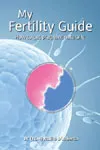
My Fertility Guide by Dr (TCM) Attilio D’Alberto is a comprehensive, evidence-based guide to natural conception, based on over 350 peer-reviewed research studies and 25 years of clinical experience. It blends cutting-edge science with the proven theories of traditional Chinese medicine to give you a complete, practical and easy-to-understand resource for improving your fertility.
The book covers the menstrual cycle and how to identify your fertile window, how to improve egg quality and sperm quality, optimising your diet, lifestyle and environment for conception, evidence-based supplements for both men and women, the most common fertility conditions including PCOS, endometriosis and low AMH, and the role of acupuncture and Chinese herbal medicine in improving fertility outcomes. Available in paperback, Kindle and ebook from Amazon, Waterstones and all major bookshops.
Once you conceive — My Pregnancy Guide by Dr (TCM) Attilio D’Alberto is the companion week-by-week guide to a healthy pregnancy and labour, combining evidence-based medicine with traditional Chinese medicine.















