


Acupressure — self-treatment using acupuncture points
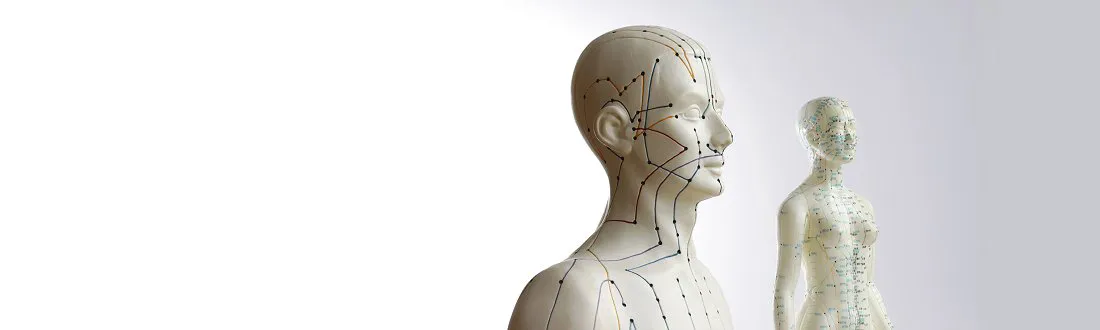
Acupressure is the practice of stimulating acupuncture points with finger pressure rather than needles. Done well, it offers a useful self-help tool for many everyday symptoms — nausea, mild pain, sleep difficulty, stress, sinus congestion and many more. It does not replace clinical acupuncture, which is much stronger and addresses the underlying pattern; but for self-care between sessions, when travelling, or when professional treatment is not available, acupressure is genuinely effective for a range of presentations. This hub gathers practical, condition-specific acupressure guides drawn from the 372-point acupuncture points directory.
On this page
- What is acupressure?
- How to do acupressure
- Condition-specific guides
- Cautions and when to see a practitioner
1. What is acupressure?
Acupressure shares the same map as acupuncture — the network of channels (meridians) along which Qi (vital energy) flows, and the named acupuncture points along those channels where Qi is most accessible at the body surface. Pressing, kneading or holding firm pressure on a point modifies the flow of Qi through the channel, with measurable physiological effects: changes in local blood flow, release of endorphins, calming of the autonomic nervous system, and reduction of inflammatory markers in modern research.
The technique is ancient — An Mo and Tui Na (Chinese therapeutic massage) describe systematic point pressing as an integral part of traditional Chinese medicine. Outside the clinic, simplified point selection makes acupressure accessible to anyone willing to learn a handful of locations.
Acupressure is gentler and more diffuse than acupuncture. The strong, focused Qi-stimulation a needle achieves is hard to replicate with a thumb. But for many everyday complaints — particularly mild, acute or stress-related — carefully applied finger pressure is enough.
2. How to do acupressure
Locating the point
Each point has a precise anatomical location described on its points directory page. When you find the right spot you will usually feel a small depression in the tissue, often more tender than the surrounding skin, sometimes with a slight aching or buzzing sensation under pressure. If the area feels indistinct, work the surrounding tissue with circular pressure until you find the most responsive spot.
Applying pressure
Use the tip of the thumb, index finger or knuckle, depending on the point’s size and depth. Pressure should be firm enough to produce a clear sensation of slight ache or fullness, but never so strong that it produces sharp pain. Maintain the pressure for 30 seconds to 2 minutes, breathing slowly while you do so. You can release and repeat, or hold continuously, depending on the protocol for that point.
How often
For acute symptoms (a wave of nausea, a sudden headache), several short bursts of pressure as needed often work best. For chronic patterns (sleep, anxiety, recurrent digestive complaints), once or twice daily for 1–2 minutes per point over several weeks builds a deeper effect.
3. Condition-specific acupressure guides
Each guide below identifies the most clinically useful points for that complaint, where to find them, how to press them, and when to escalate to a practitioner:
Pain
- Acupressure for headaches — LI 4, GB 20, Taiyang, Yintang
- Acupressure for back pain — BL 23, BL 40, GV 4, GB 30
- Acupressure for neck & shoulder pain — GB 20, GB 21, SI 3, LI 4
- Acupressure for knee pain — ST 35, Xiyan, SP 9, GB 34
- Acupressure for jaw & TMJ pain — ST 6, ST 7, LI 4, GB 20
- Acupressure for toothache — LI 4, ST 6, ST 7, SI 18
Digestion
- Acupressure for nausea — PC 6, ST 36, CV 12
- Acupressure for acid reflux & heartburn — PC 6, CV 12, ST 36
- Acupressure for hiccups — PC 6, CV 22, ST 36
- Acupressure for bloating — CV 12, ST 25, SP 4, LV 13
- Acupressure for constipation — ST 25, LI 4, TB 6, SP 15
Mind & sleep
- Acupressure for anxiety — HT 7, Yintang, KD 1, PC 6, Anmian
- Acupressure for stress — Yintang, LV 3, GB 21, PC 6, Anmian
- Acupressure for insomnia & sleep — HT 7, KD 6, Anmian, Yintang
Respiratory & ENT
- Acupressure for sinus relief — LI 20, Bitong, Yintang, BL 2
- Acupressure for a blocked nose — LI 20, Yintang, Bitong, LI 4
- Acupressure for allergies & hay fever — LI 20, LI 4, LU 7, Yintang, BL 2
- Acupressure for cough — LU 7, LU 9, CV 22, KD 27
- Acupressure for the common cold — LI 4, LU 7, GB 20, BL 12, LI 20
- Acupressure for asthma — Ding Chuan, CV 17, LU 7, KD 27, BL 13
- Acupressure for a sore throat — LU 11, LU 7, KD 6, LI 4
- Acupressure for tinnitus & ear issues — TB 17, SI 19, GB 2, KD 3
- Acupressure for vertigo & dizziness — GB 20, ST 8, Yintang, PC 6
Women’s health & pregnancy
- Acupressure for period pain & cramps — SP 6, SP 8, LV 3, CV 4
- Acupressure for hot flushes & night sweats — KD 6, HT 6, KD 3, SP 6
- Acupressure during labour — partner-led routine for labour support
General health
- Acupressure for high blood pressure — LV 3, GB 20, KD 1, LI 4
- Acupressure for weight loss — ST 36, SP 6, ST 25, CV 12, ear points
- Acupressure for fever — GV 14, LI 11, LI 4, LU 11
4. Cautions and when to see a practitioner
Most acupressure is safe for self-application. A few sensible precautions:
- Pregnancy. Several points — particularly LI 4, SP 6, BL 32 and BL 60 — have a downward-moving, channel-opening effect and are traditionally avoided in pregnancy except during established labour. The labour guide explains which points are appropriate at which stage.
- Acute serious illness. Acupressure does not replace medical assessment. New severe headache, chest pain, sudden visual change, neurological symptoms or any acute serious condition require urgent medical care, not self-treatment.
- Bleeding disorders / blood thinners. Use gentler pressure to avoid bruising. Avoid heavy kneading.
- Broken skin / infection / recent surgery. Avoid pressing directly over compromised tissue.
- Children and frail elderly. Use lighter pressure than for healthy adults.
Acupressure complements rather than replaces clinical acupuncture. For chronic conditions, structural pain, fertility concerns, gynaecological issues or any presentation that has not responded to self-help, professional treatment goes considerably deeper than self-acupressure can reach.
Treatment at my clinic
I am Dr (TCM) Attilio D’Alberto, a member of the British Acupuncture Council with over 25 years of clinical experience. I treat patients in person at my clinic in Wokingham, Berkshire. Visit the prices page for consultation fees, or browse the full acupuncture points directory.















