



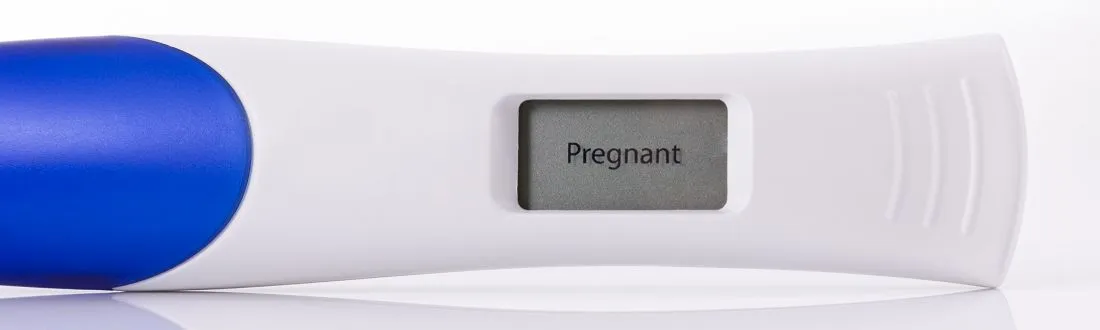


Tests and scans during pregnancy
By Dr (TCM) Attilio D’Alberto — registered Traditional Chinese Medicine practitioner (BAcC, RCHM) with over 25 years’ clinical experience.
During pregnancy, your midwife or obstetrician will perform several tests to assess your health and that of your baby. There are also additional tests that you may need or want to have done as well.
On this page
- Ultrasounds
- Doppler Machines
- Blood Tests
- Urine Tests
- Blood Pressure
- Chromosome Screening
- Foetal Well-Being Test
Ultrasounds
Ultrasounds are sometimes called sonograms or sonography. They use high-frequency sound waves (5-7.5MHz for transvaginal and 3.5-5MHz for transabdominal) to create an image inside the body. The vast majority of ultrasounds are made using 2D. 3D or real-time 3D (known as 4D) ultrasounds are better at evaluating the baby's health and that of the placenta.
Ultrasounds are generally safe, although as a 3.5-7.5MHz sound wave is passed through the baby, there is a small risk of male babies being born with a lower birth weight or developing autism. It is therefore not advisable to have excessive ultrasounds, if possible.
First trimester ultrasounds
Ultrasounds are commonly used in pregnancy to see the gestational sac, yolk sac and embryo. The gestational sac is a fluid-filled structure surrounding the yolk sac and embryo during the first few weeks of your baby's development. Using a transvaginal probe (an ultrasound wand that is inserted into the vagina), a 2-3-mm gestational sac can usually be seen five weeks from the last menstrual period (LMP). The yolk sac and the small foetal pole, which develops alongside the yolk sac, is usually seen by six menstrual weeks. From the foetal pole the heart starts to beat and is normally detected with an ultrasound around this time (see table 6 below).
Days from last 35-42 42-49 49-56 28-35
menstrual period
Gestational sac 100%
Yolk sac 0% 91% 100% 86% Embryo with + 0% 0% 100%
heartbeat
Table 6. The appearance of your baby from your last menstrual period
Transvaginal ultrasounds have a higher sensitivity and produce clearer images than transabdominal ultrasounds. The gestational sac is usually seen when your hCG levels are around 7,000mIU/mL and the embryo is usually seen when your hCG levels are around 11,000mIU/mL.
The number of weeks of your pregnancy can be measured by the crown-rump length (CRL) in the first trimester within an accuracy of three to five days as compared to an error of +two weeks when measured in the second trimester and +three weeks in the third trimester. The CRL is the measurement of the length of your baby from the top of the head (crown) to the bottom of the buttocks (rump) during an ultrasound. To establish the number of weeks you are, take the CRL figure and add 6.5 to calculate your baby's gestational age.
Second trimester ultrasounds
During your second trimester ultrasounds you will receive more detailed information about your baby and their gender, if you wish to know it. An anatomical survey will be conducted between weeks 18 and 22 to check that your baby is growing normally. The amniotic fluid volume will be estimated, the number of vessels of the umbilical cord measured and the placenta location identified.
During your second trimester ultrasounds, your baby's nuchal fold thickness will be measured along with the nuchal transparency (NT). This is used to determine whether the baby has a higher rate of being born with Down's syndrome (trisomy 21), Edwards' syndrome (trisomy 18), Patau's syndrome (trisomy 13) and Turner syndrome. The different nuchal fold thicknesses are shown in the table below.
Gestational age Abnormal measurements 8-12 weeks > 2.5mm 12-16 weeks > 4mm > 16 weeks > 6mm
Table 7. Nuchal fold thicknesses in pregnancy
Third trimester ultrasounds
Third trimester ultrasounds are similar to second trimester ultrasounds. However, not all women will be offered an ultrasound in their third trimester. It varies depending upon the country you live in and the healthcare available. For example, in the UK, you are generally given one ultrasound at 12 weeks and then another at 20 weeks. You may only be given additional ultrasounds in the UK if there is a medical need for it.
If you are given an ultrasound at this stage, your baby's estimated foetal weight (EFW) will be measured from an average of three measurements from three different readings: femur length (FL), biparietal diameter (BPD) and the most important one - the abdominal circumference (AC). Measuring the baby's AC is not easy and there can be error rates of 15-20 per cent. Therefore, try not to be alarmed if the measurement is lower than you expected, as it may be slightly wrong.
Doppler Machines
After several weeks of pregnancy, a Doppler ultrasound can be used by your midwife or obstetrician. The combination of an ultrasound with a Doppler measurement can help identify the baby's heartbeat as well as being a useful non-invasive method of assessing blood flow to the uterus. You can buy a Doppler machine to use at home. However, if you cannot find the baby's heartbeat it may cause unnecessary anxiety, when the baby may have just moved position. It is often best when used by a trained medical professional.
Blood Tests
As part of your antenatal care, you will be offered several blood tests. Some are offered to all women and some are only offered if you are at risk of a particular infection or medical condition, such as you have a family history of diabetes. The blood tests you may be offered include:
- blood group - anaemia - diabetes - rhesus disease
Blood group
It is useful to know your blood group in case you need to be given blood, for example if you have heavy bleeding (haemorrhage) during pregnancy or in labour.
Anaemia
If you have a blood test and the results show anaemia (ferritin ug/ litre <30), you may be prescribed iron, usually 200-600mg a day. This level of iron may cause stomach cramps, tarry stools and constipation, which is normal.
Diabetes
Gestational diabetes is a reduced tolerance to carbohydrates and refined sugar in pregnancy. When digested, carbohydrates turn into blood glucose (a type of sugar). Gestational diabetes affects between 3.5 and 16 per cent of pregnancies. Having gestational diabetes leads to an increase of glucose to the baby resulting in a large birth weight and possible complications during labour, for example the baby is too big for a vaginal delivery leading to a caesarean delivery. It can also lead to diabetes in 40-60 per cent of mothers in later life.
Women with pre-existing diabetes mellitus may have higher glucose levels in the first trimester during the baby's organ development. Gestational diabetes is tested in the third trimester using a glucose challenge test (GCT), a glucose tolerance test (GTT) or a glucose load test (GLT) in women who are considered high risk.
A lot of women will crave carbohydrates in early pregnancy, which is normal and should not be excluded from your diet unless you are a diabetic. Carbohydrates become more of a problem in developing gestational diabetes in the third trimester. One way of keeping your blood sugar levels in the normal range is by monitoring the amount of carbohydrates and refined sugar in your diet. See Chapter Twelve (page 124) for more information on how to reduce your risk of developing gestational diabetes.
Rhesus disease
Rhesus disease is a condition where antibodies in a pregnant woman's blood destroy her baby's blood cells. It is also known as haemolytic disease of the foetus and newborn (HDFN). Rhesus disease happens when the mother has rhesus negative blood and the baby has rhesus positive blood. In the UK, it affects around 10 per cent of pregnancies. You will be tested for this in early pregnancy with a blood sample.
Women who are rhesus negative do not have a D antigen on the surface of their red blood cells, which can lead to potential problems. If a small amount of the baby's rhesus positive blood enters a mother's bloodstream that is rhesus negative during pregnancy or birth, the mother will produce anti-D antibodies against the rhesus positive cell. Injections of anti-D can prevent rhesus negative women from producing antibodies against their baby. Rhesus negative mothers are offered anti-D injections at week 28 of pregnancy, or earlier if the pregnancy is threatened, as well as 72 hours after delivery in case any blood crossed over during labour.
A rhesus negative woman can carry a baby who is rhesus positive if the baby's father is rhesus positive.If both parents are rhesus negative, then the baby too will be rhesus negative and will be unaffected.
Being rhesus negative usually does not affect the pregnancy, but if a woman who is rhesus negative has another pregnancy with a rhesus positive baby, her immune system will mount a greater response and she may produce a lot more antibodies. This can lead to anaemia and jaundice in the baby.
Urine Tests
Having your urine routinely checked during pregnancy is normal. Usually, every time you visit your midwife or antenatal clinic, they will check your urine. They are looking for any protein (albumin) or glucose that might be present. Having small amounts of protein in your urine is common in pregnancy. Protein in your urine may also mean that your body is fighting a minor infection, such as a urinary tract infection (UTI).
In about 3-5 per cent of pregnancies, there can be large amounts of protein in the urine during the second and third trimester, which may be a sign of early pre-eclampsia (see page 46). If there are large amounts of albumin in the urine, it may mean that the kidneys are not functioning properly. This is called albuminuria. Albuminuria is most often caused by kidney damage from gestational diabetes.
Clotting
A blood clot can occur in the umbilical cord, blocking blood and nutrients reaching the baby, although this is rare. A thrombophilia test looks for anticoagulant deficiencies that might cause a blood clot. There are many types of thrombophilia. Some types run in families and others can develop during pregnancy. Often a thrombophilia test is only given if there is a family history of clotting or if you had a previous miscarriage.
If the thrombophilia test is positive, heparin (enoxaparin) is given to women with a family history of thrombophilia. Those without a family history of thrombophilia but maybe still at risk are often prescribed aspirin (acetylsalicylic acid) to thin the blood and reduce the risk of a blood clot forming. Acupuncture has been shown to increase blood flow to the uterus without any side effects.
Blood Pressure
Your blood pressure will be taken at most antenatal visits. A rise in blood pressure during pregnancy can be a sign of pregnancy-induced hypertension. If you have high blood pressure, or hypertension, your heart has to work harder to pump blood around your body. This can affect the heart muscle.
Hypertension affects around 3-5 per cent of pregnancies, but is commonly seen in new mums. There are three main types of hypertension in pregnancy:
1. Pregnancy-related high blood pressure (gestational hypertension).
2. Pre-eclampsia. 3. C hronic hypertension (where the high blood pressure was
present before pregnancy).
Gestational hypertension is when blood pressure increases after the twentieth week of pregnancy. It affects between 5 and 10 per cent of pregnancies. Around 25 per cent of women with gestational hypertension will develop pre-eclampsia or eclampsia (see page 46). Chronic hypertension is when there is hypertension before pregnancy or before the twentieth week of pregnancy. Chronic hypertension can lead to pre-eclampsia or eclampsia later in pregnancy.
Chromosome Screening
All pregnant women are offered chromosomal screening for three syndromes; Down's, Edwards' and Patau's. A baby with Down's syndrome will have some level of learning disability, characteristic facial appearance and a 50 per cent chance of having congenital heart disease. Around 1 in 700 babies will have Down's syndrome. This incidence increases with the mother's age. However, babies born with Down's syndrome live normal lives. Edwards' and Patau's syndromes are more commonly seen in babies born from older women and do not have a good prognosis.
Screening tests
The screening tests available include:
- Testing for Down's syndrome along with Edwards'syndrome and Patau's syndromes can be started from week 10 with a blood test called a Harmony test (see below). This test checks for the risk of trisomy 21, 18 and 13, and has a high rate of accuracy with a false-positive rate of less than 0.1 per cent. It is possible to check for Turner and Klinefelter syndromes too. You can also select to know the gender of your baby, again from week 10 rather than the traditional week 20.
- A reflex DNA test involves analysing cell free DNA in your blood, which contains a small amount of your baby's DNA as well as your own. In pregnancies with Down's, Edwards' or Patau's syndromes there will be a little bit more DNA from chromosomes 21, 18 or 13.
- T he St George's Antenatal Foetal Evaluation (SAFE) test is a non-invasive prenatal test for the screening of Down's, Edwards' and Patau's syndromes only. The test is performed by taking a small sample of the mother's blood, which is sent to the National Health Service (NHS) laboratory at St George's Hospital for assessment. The results are typically available within seven calendar days. The test is suitable from 10 weeks of pregnancy for all single and identical twins pregnancies, including IVF, egg donor or surrogate pregnancies. The test is not suitable for multiple pregnancies (greater than twins), if the mother has cancer, a chromosomal or genetic condition (including Down's syndrome). It is also unsuitable for mothers who have undergone a blood transfusion in the last 4 months, had transplant surgery, immunotherapy or stem cell therapy. - A blood test plus a nuchal translucency ultrasound scan (nuchal translucency is a collection of fluid at the back of the baby's neck - the thicker it is, the higher the risk). This is called the combined test and is offered between weeks 10 and 14 of pregnancy. The blood test looks at levels of free beta hCG and PAPP-A. High levels of free beta hCG with low levels of PAPP-A are associated with Down's syndrome. - A Down's syndrome-only blood test can be offered between weeks 14 and 20 of pregnancy if you are too far along to have the combined test. This blood test is less accurate than the combined test.
If the latter two screening tests show that you have a risk greater than 1 in 150 (that is, between 1 in 2 and 1 in 150) of having a baby with Down's, Edwards' or Patau's syndromes, you will be offered further diagnostic tests to find out for certain if your baby has the condition. The diagnostic tests are:
- chorionic villus sampling - amniocentesis - Harmony test Chorionic villus sampling (CVS) CVS involves taking a sample of the placenta for DNA analysis, cytogenetic testing and enzyme testing. However, as CVS is invasive it carries a small risk of causing a miscarriage (1-2 per cent). A Harmony test is preferred as there is no risk to the baby.
Amniocentesis
Amniocentesis involves taking a sample of the amniotic fluid that surrounds the baby. This is then used for karyotyping, DNA analysis and enzyme testing. When used between weeks 16 and 18 of pregnancy, the risk of causing a miscarriage is 1 in 270. It should not be conducted earlier in the pregnancy. Again, a Harmony test is safer and more accurate and should be used instead, if possible.
Harmony test
The Harmony test is a non-invasive prenatal test (NIPT), which can also be called NIPS (non-invasive prenatal screening). Today, more and more clinics and hospitals are offering pregnant mothers the Harmony test. This is a non-invasive prenatal screening which looks at fragments of your baby's DNA in your own blood and is more accurate than measuring nuchal fold thickness and nuchal transparency. The Harmony test is more expensive than traditional testing methods. The Harmony test looks for trisomy 21 (Down syndrome), trisomy 18 and trisomy 13. The Harmony test looks for SCAs such as:
- XXY (a cause of Klinefelter syndrome) - Monosomy X (a cause of Turner syndrome) The Harmony test also looks for 22q11.2 microdeletion, the most common genetic cause of intellectual disability and heart defects after Down syndrome.
Foetal Well-Being Test
It can be reassuring to a lot of expectant mothers to check their baby's well-being and ascertain that their baby is okay. This can be tested by checking the baby's heart rate (non-stress test, NST), having an ultrasound, a contraction stress test (CST) and by the mother's observations about the baby's activity. A variety of methods can be used to check the baby's activity, for example how many times the baby moves in a day and how many kicks there are in an hour. There are free apps you can download on to your smartphone to help track your baby's movements.
In some circumstances, your obstetrician may wish to perform a biophysical profile (BPP) to further check your baby's well-being. A BPP consists of five tests to assess the baby's well-being and includes a NST, foetal breathing movements, foetal movement, foetal tone and the amount of amniotic fluid present. Each test is scored from 0 (absent) to 2 (present). A score of 8-10 is considered good.
Infections
Because of the worldwide COVID-19 pandemic, we are now more acutely aware of infections from viruses and bacteria. There are several viruses that could potentially affect the pregnancy. Let's now look at what tests are available to identify them.
Cytomegalovirus (CMV) test CMV is a member of the herpes family of viruses. It affects about 1 per cent of newborns. Most pregnant women contract CMV from a child less than three years of age. CMV is a virus that can be transmitted to a developing baby before birth causing birth defects including low birth weight, deafness, blindness, learning difficulties, small head size, seizures, jaundice, brittle teeth and damage to the liver and spleen.
As the virus does not show any symptoms during pregnancy (it is asymptomatic), it is generally not tested for. There is currently no vaccine or treatment for CMV in Western medicine. Instead, increased hygiene is recommended during pregnancy. However, research has shown that the Chinese herbal formula Jinye Baidu can prevent and treat CMV infections in pregnancy.
Group B streptococcus (GBS) GBS or strep is common in pregnant women and rarely causes any problems. It is very common with up to two in five women having it living in their body, usually in the rectum or vagina. Most pregnant women who carry GBS bacteria have healthy babies. It is not routinely tested for, but may be found during tests carried out for another reason, such as a urine test. If you have GBS while you are pregnant:
- your baby will usually be healthy - t here is a small risk that it could spread to your baby during labour
and make them ill - this happens in 1 in 1,750 pregnancies
If you have a test and it is positive for GBS, or you have had a baby who was affected, you may need extra care and treatment during labour. You may be advised to:
- give birth in hospital - have antibiotics given to you via a vein during labour - stay in hospital for longer after giving birth
Scarlet fever
Scarlet fever is a contagious bacterial infection that causes a blotchy rash that feels like sandpaper. Scarlet fever is most common in children aged between two and eight, although anyone can catch it. It is caused by bacteria from the streptococcus (strep) group, which is the same group of bacteria that causes sore throats. There is no evidence to suggest that getting scarlet fever during pregnancy will harm your baby. However, it can make you feel unwell, so it is best to avoid close contact with anyone who has it. Tell your midwife, obstetrician or doctor if you think you have scarlet fever. The antibiotics used for scarlet fever are usually safe to take during pregnancy. Both acupuncture and Chinese herbs can be used to reduce symptoms.
Chickenpox
Chickenpox is a highly contagious infection that causes an itchy, spotty rash. It is common in children, but adults can get it too. It is caused by the herpes varicella-zoster virus (VZV). It is rare to get chickenpox while pregnant. In the UK, it is estimated that 3 in 1,000 women (0.3 per cent) catch chickenpox during pregnancy. Most pregnant women who get chickenpox recover, with no harmful effects on the baby. However, in some rare instances it may cause complications for both the pregnant woman and the baby. Seek advice from your midwife, obstetrician or doctor if:
- you think you may have chickenpox - you have been near someone who has it (even if you have no rash
or other symptoms) - you get chickenpox within seven days of giving birth
You may be offered aciclovir, an antiviral medicine, which should be given within 24 hours of the chickenpox rash appearing. Aciclovir does not cure chickenpox, but it can make the symptoms, such as fever, less severe and help prevent complications. However, aciclovir is usually only recommended if you are more than 20 weeks pregnant, as it carries some risks. Chinese herbs can be given to help relieve the symptoms of chickenpox and can be more effective than pharmaceutical medicines with fewer risks.
Shingles
Shingles is a painful, blotchy rash on one side of the body. It mainly affects the skin, but can sometimes affect the eyes too. You can only get shingles if you have already had chickenpox. Both illnesses are caused by the same virus: VZV. After you recover from chickenpox, the virus stays in your body and can become active again later in the form of shingles. You cannot catch shingles from someone else. Anyone can get it, but it is most common in older people. If you develop shingles when you are pregnant, it is usually mild and there is no risk to you or your baby. However, you should contact your midwife, obstetrician or doctor for advice as you may need antiviral treatment. Chinese herbs can be used to treat the pain.
COVID-19 test
Early research has shown that COVID-19 can affect placenta blood flow but does not cross the placenta. Women who are overweight during pregnancy are more likely to be hospitalised and are more likely to have a preterm birth. However, the latest research at time of writing states that the rate of infection from mother to baby is low and is not increased by having a vaginal birth, breastfeeding or when the baby is kept close (rooming in). Fortunately, breast milk can protect a baby from the coronavirus.
If you think you may have been in contact with someone who showed symptoms of COVID-19 or you think you may have had the virus, I would recommend getting yourself tested. This helps your obstetrician or midwife to monitor blood flow to your placenta.
For most women, the risk of getting an infection is low, especially with the world's new awareness of infections and the additional precautions in place to prevent them. Let's now look at ways you can make your pregnancy even safer for you and your baby.
Related reading
- Pregnancy week by week
- Pregnancy dictionary
- Healthy pregnancy support
- Acupuncture for morning sickness
My Pregnancy Guide
My Pregnancy Guide by Dr (TCM) Attilio D’Alberto is a comprehensive week-by-week guide to a healthy pregnancy and labour, based on over 750 peer-reviewed research studies and 20 years of clinical experience. It blends the latest evidence-based science with the proven theories of traditional Chinese medicine to give you everything you need for a confident, well-supported pregnancy and a positive birth experience.
The book covers pregnancy week by week, an optimal pregnancy diet and supplements, how to reduce your baby’s risk of developing autism, managing complications including gestational diabetes and pre-eclampsia, preparing for labour, pain relief options, acupuncture for labour induction, natural herbs to support birth, and postnatal recovery. Available in paperback, Kindle and ebook from Amazon, Waterstones and all major bookshops.
I treat pregnant women throughout pregnancy at my clinic in Wokingham, Berkshire, with online Chinese herbal consultations available across the UK. See the prices page for treatment costs.















