


Chinese herbal medicine & Chinese herbs
Chinese herbal medicine is a 2,500-year-old system of healthcare that uses medicinal plants — roots, bark, seeds and fungi — combined into bespoke formulas tailored to each patient's individual TCM pattern. It is the most widely practised herbal medicine system in the world and has a growing modern research base, with Cochrane systematic reviews and other peer-reviewed evidence published across a range of areas including menopausal symptoms, sleep, gut health, women's health and general wellbeing. I am Dr (TCM) Attilio D'Alberto, a Doctor of Traditional Chinese Medicine (BM, BSc Hons) with over 25 years of clinical experience, trained at Beijing University of Chinese Medicine, and a registered member of the Register of Chinese Herbal Medicine (RCHM). I prescribe pharmaceutical-grade Chinese herbal granules from Sun Ten in Taiwan — tested to the highest international quality and safety standards — with online Chinese herbal consultations available throughout the UK and worldwide. Chinese herbal medicine is used as a complementary therapy alongside conventional medical care, not as a replacement for it; if you have a diagnosed medical condition you should always continue to be seen by your doctor or specialist.
On this page
- What is Chinese herbal medicine?
- History of Chinese herbal medicine
- Types of Chinese herbal medicine
- Chinese herbal medicine formulas
- How does Chinese herbal medicine work?
- What are the benefits of Chinese herbal medicine?
- What is Chinese herbal medicine used for?
- Chinese herbal medicine vs Western herbal medicine, Ayurveda and homeopathy
- Chinese herbal medicine vs acupuncture: when to use each
- Your first 90 days of Chinese herbal treatment
- Practical: storage, missed doses, alcohol and travel
- What happens during a consultation?
- Are Chinese herbs safe?
- Are Chinese herbs regulated?
- How to find a qualified Chinese herbalist
- Commonly asked questions
- Are animal products used in Chinese medicine?
- Online herbal consultations
- References
1. What is Chinese herbal medicine?
Chinese herbal medicine is a complete system of healthcare developed in China over 2,500 years ago that uses medicinal plants, roots, bark, seeds and fungi. It originates from traditional Chinese medicine (TCM) and is the most widely practised herbal medicine system in the world today, with a growing modern research base from systematic reviews and randomised controlled trials. In the UK it is used as a complementary therapy alongside conventional medical care.
It is the most widely used form of herbal medicine in the world today. TCM practitioners assess signs and symptoms using yin and yang theory and the Five Elements to formulate bespoke prescriptions that address the underlying cause of illness, not just the symptoms.
In Europe and the UK, endangered species are not used in Chinese herbal formulas. Instead, individual plants are selected for their specific healing properties and combined into a tailored prescription unique to each patient.
Chinese herbal medicine has a long and unbroken history in East Asia and is now widely practised across the UK, Europe, the United States and Australia. It is the most sophisticated herbal medical tradition in the world and continues to evolve as modern research validates what practitioners have known for centuries.
2. History of Chinese herbal medicine
The use of medicinal plants in China probably began thousands of years before written records. The earliest known herbal textbook — a list of prescriptions for specific ailments — was found in the Mawangdui tombs in China, sealed in 168 BC. The oldest classical Materia Medica is the Shénnóng Běncǎo Jīng (Shennong's Classic of Materia Medica), which classifies 365 species of roots, grasses, woods, minerals and animal substances into three categories of medicinal use.
The foundational medical textbook of traditional Chinese medicine, the Huángdì Nèijīng (The Yellow Emperor's Classic of Medicine), dates back approximately 2,000 years and outlines the core theories of health, disease and treatment that still underpin Chinese herbal medicine today.
For thousands of years, food has served as the first line of medicine in East Asia, with specific herbs and plants added to everyday cooking for their health-giving properties. If dietary measures prove insufficient, a herbalist is consulted for a tailored herbal prescription.
Chinese herbal medicine arrived in the UK centuries ago and was first protected in law under Henry VIII, making it one of the oldest formally recognised forms of medicine in this country. Today it is practised by members of the Register of Chinese Herbal Medicine (RCHM), who adhere to a strict code of ethics and professional standards.
3. Types of Chinese herbal medicine
Chinese herbal prescriptions are not one-size-fits-all. They are tailored to the individual patient and can be prescribed and taken in several different forms.
Raw dried herbs
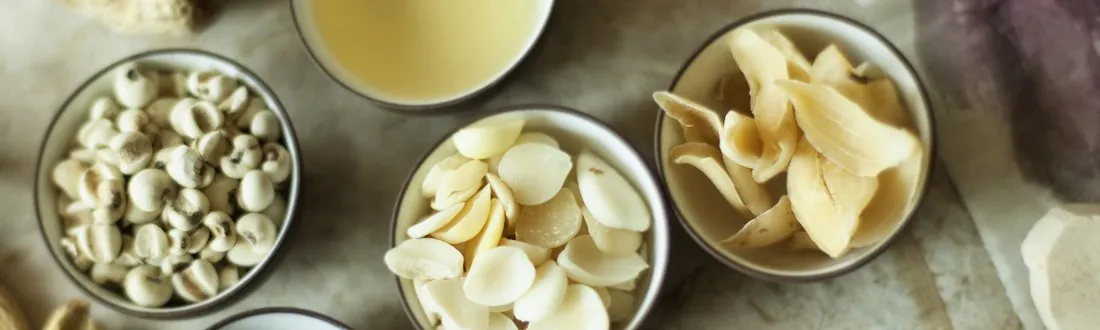
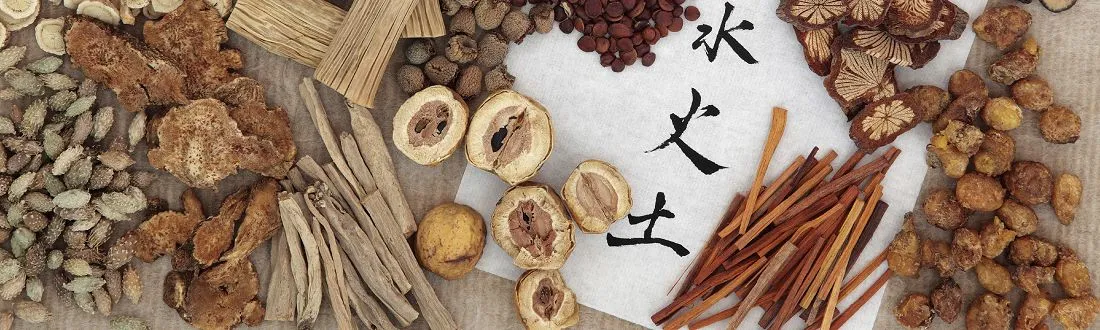
The most traditional form. Individual herbs in their original dried state — pieces of root, bark, leaf, seed or flower — are combined and slowly decocted in water for up to 45 minutes. The resulting liquid is strained and drunk as a medicinal tea. This method has been used for thousands of years and is still considered by many practitioners to be the most potent form of delivery.
Herbal powders
A modern and convenient alternative to raw herbs. Individual herb granules are dissolved in hot water and drunk as a tea, often with a little honey added to improve the taste. This is the form I most commonly prescribe, as it preserves the benefits of a fully tailored prescription without the need for lengthy home preparation.
Capsules and tablets
Herbal granules can be encapsulated or pressed into tablet form for patients who find the taste difficult. The dosage is higher than you might expect — typically around 30 tablets per day — because herbal medicines are gentler than pharmaceutical drugs and require a larger volume to achieve the same therapeutic effect. They are taken in divided doses after meals with plenty of water.
Patent pills
Pre-made, off-the-shelf herbal formulas in small pill form. These are standard formulas that cannot be modified to a patient's individual needs. They represent a weaker dosage than a tailored prescription and are commonly found in health food shops in the United States. They are not legal to sell in the UK or Europe.
Tinctures
A liquid extraction of herbs in alcohol or water. Tinctures are sometimes used for children, as the dosage can be precisely adjusted. There are several paediatric Chinese herbal formulas available in tincture form.
4. Chinese herbal medicine formulas
Chinese herbal medicine is practised through precisely composed formulas — combinations of herbs selected and balanced to match each patient’s individual TCM pattern. The classical formulas used in my practice have been refined over centuries of continuous clinical use. The Chinese herbal medicine formula directory provides detailed explanations of 346 of the most important and widely prescribed classical and patent formulas, including their TCM patterns, key herbs and clinical applications. Formulas covered include those for insomnia, anxiety, menopausal symptoms, IBS, fertility, chronic fatigue, hypertension, arthritis and many other conditions.
Individual herb profiles for 307 of the most clinically important herbs in the Chinese Materia Medica are available in the Chinese herb directory, covering each herb’s TCM properties, actions, key formulas and modern pharmacological research.
5. How does Chinese herbal medicine work?
Chinese herbal medicine works by combining 6–12 individual herbs into a bespoke formula that addresses the patient's specific TCM pattern. Each herb has a nature (hot, warm, cool or cold), a flavour (sweet, sour, bitter, pungent or salty) and an affinity for specific organ systems and channels. A qualified Chinese herbalist selects herbs and gives each one a role — chief, deputy, assistant or envoy — so the combined formula addresses the underlying pattern of imbalance rather than just suppressing the symptom.
In modern scientific terms, there is a growing body of research that demonstrates how Chinese herbal compounds act upon the body. Individual herbs and formulas have been shown to have anti-inflammatory, immunomodulatory, hormonal and antioxidant effects, among many others. Unlike pharmaceutical drugs — which tend to target a single biochemical pathway — Chinese herbal formulas work holistically across multiple systems simultaneously.
Because Chinese herbs are natural and work with the body rather than overriding it, they take longer to produce results than pharmaceutical drugs — typically two to three weeks before improvements become apparent. However, this gradual approach means that the effects are sustained and that the risk of side effects is very low.
Additional treatments such as acupuncture, moxibustion and dietary advice are frequently used alongside Chinese herbal medicine to enhance its effects and accelerate recovery.
Watch my short animated video, which explains how Chinese herbal medicine works from both a classical TCM and a modern scientific perspective.
6. What are the characteristics of Chinese herbal medicine?
The six defining characteristics of Chinese herbal medicine as practised today are:
- Addresses the underlying TCM pattern, not just the presenting symptoms
- Bespoke formulas tailored to each patient's individual TCM pattern
- Aims to replenish and nourish where the body is depleted — in TCM terms, energy, blood, yin and yang
- Used as a complementary therapy alongside conventional medical care
- Used in TCM clinical practice in many areas including general fertility support, menopausal symptoms, sleep, gut health and general wellbeing
- Very low risk of side effects when prescribed by an RCHM-registered herbalist
Chinese herbal medicine is used in TCM practice for the whole person, not just the presenting complaint. Where acupuncture works primarily by regulating the flow of qi (energy) and blood, herbs are able to replenish and nourish what the body lacks. For example, they can supplement energy, build blood, clear heat, resolve dampness, calm the mind and strengthen the organs in ways that needles alone cannot achieve. Some of the most commonly reported improvements following a course of Chinese herbal treatment include:
- Increased energy levels
- Better quality and duration of sleep
- Improved digestion
- More stable emotions and reduced anxiety
- Reduced feeling of cold or heat
- Improved fertility in both men and women
- Clearer skin, including improvement of acne
- Reduced menopausal symptoms
- Greater overall sense of health and well-being
Because the prescription is tailored to the individual, it often addresses multiple health complaints at the same time. Many patients report improvements in areas they hadn't even mentioned at their initial consultation, as the formula works to rebalance the whole system. The longer a patient takes a correctly prescribed herbal formula, the deeper and more lasting the benefits tend to be.
7. What is Chinese herbal medicine used for?
Chinese herbal medicine has been used in East Asia for thousands of years across a wide range of health concerns. In the UK and other western countries it is used as a complementary therapy alongside conventional medical care. Chinese herbal medicine is not a substitute for diagnosis or treatment by your doctor or specialist; any new or unexplained symptom should always be assessed conventionally first.
Areas where patients commonly consult me, and where Chinese herbal medicine is supported by a body of research (varying in quality and currently most robust in some areas, less so in others), include:
- General fertility support in men and women alongside conventional fertility care, including patients with low sperm parameters, PCOS, endometriosis and low AMH
- Stress, anxiety and low mood (alongside, not instead of, doctor and psychological care)
- Sleep difficulties
- Functional digestive complaints including IBS and bloating (where serious digestive disease has been excluded)
- Menopause-related symptoms including hot flushes, night sweats and mood changes
- Skin complaints such as acne and dry, irritated skin
- Persistent fatigue, ME/CFS and post-viral fatigue (alongside conventional management)
- Irregular menstrual cycles
- Fibromyalgia and chronic pain (NHS care should be in place first)
- Tinnitus
- Joint inflammation including rheumatoid arthritis (under rheumatology care)
- Raynaud's syndrome
- Burnout and fatigue states
- General immunity support
Chinese herbal medicine is often used alongside acupuncture and moxibustion as part of a TCM treatment plan, and alongside — not instead of — the patient's NHS or private medical care.
Chinese herbal medicine vs Western herbal medicine, Ayurveda and homeopathy
Patients new to herbal medicine often ask how Chinese herbal medicine differs from the other herbal-medicine traditions they may have heard of. The four main systems used today — Chinese, Western (European), Ayurvedic and homeopathic — share some surface similarities but rest on fundamentally different theoretical frameworks, diagnostic methods and prescribing logic.
Chinese herbal medicine vs Western herbal medicine
Western herbal medicine (also called phytotherapy) draws on Greek, Roman and later European traditions, with major contributions from indigenous American and African herbal traditions. It is typically practised by herbalists registered with the National Institute of Medical Herbalists (NIMH). Western herbalists work largely with single herbs or simple combinations selected for known pharmacological activity (St John's Wort for low mood, Valerian for sleep, Milk Thistle for liver function).
Chinese herbal medicine uses formulas of 6–15 herbs balanced according to TCM theory, with each herb assigned a specific role (chief, deputy, assistant, envoy) and selected to match the patient's individual TCM pattern. The same Western diagnosis (insomnia, for example) might receive five different Chinese herbal prescriptions depending on whether the underlying TCM pattern is Heart-Yin deficiency, Liver-Qi stagnation, Heart-Spleen deficiency, Phlegm-Heat or Kidney-Yin deficiency. The two systems are not incompatible; some practitioners trained in both combine herbs from each tradition. The main practical difference is depth of personalisation and the number of herbs in a formula.
Chinese herbal medicine vs Ayurveda
Ayurveda is the traditional medical system of India, also approximately 2,500–3,000 years old, and uses a vast Materia Medica of plants, minerals and a few animal substances. Ayurvedic diagnosis identifies the patient's dosha (Vata, Pitta, Kapha) and prescribes a combined treatment of diet, lifestyle, herbal preparations, yoga, meditation and pancha-karma cleansing.
The conceptual frameworks differ significantly. Ayurveda's three doshas describe constitutional types and elemental balance; Chinese medicine's Yin/Yang, Five Elements and Zang-Fu organ patterns describe functional energy dynamics. The two traditions reach overlapping conclusions on many conditions (both treat stress, digestive complaints and infertility with herbal-and-lifestyle interventions) but the diagnostic language and herb selection are entirely different. Several herbs (turmeric, ginger, liquorice) appear in both Materia Medicas but are prescribed for different patterns. The two systems are not interchangeable; an Ayurvedic herb cannot simply be substituted for a Chinese herb of similar use.
Chinese herbal medicine vs homeopathy
Homeopathy is a 19th-century European system developed by Samuel Hahnemann based on the principle of ‘like cures like’: a substance that causes symptoms in a healthy person can, when highly diluted, treat the same symptoms in an ill person. Homeopathic remedies are diluted to a degree where often no molecules of the original substance remain.
This is a fundamentally different mechanism from Chinese herbal medicine. Chinese herbal formulas contain meaningful pharmacological quantities of plant compounds (typically 4–15 g/day in granule form), with documented pharmacokinetics and pharmacodynamics in modern research. Homeopathy works (or does not work, depending on viewpoint) through a non-pharmacological mechanism. NHS guidance no longer recommends homeopathy on the basis that high-quality evidence does not support its efficacy beyond placebo. Chinese herbal medicine, by contrast, has a substantial and growing evidence base from systematic reviews and Cochrane reviews across multiple clinical areas.
Chinese herbal medicine vs acupuncture: when to use each
Many people coming to traditional Chinese medicine for the first time wonder whether they should book an acupuncture appointment, a Chinese herbal consultation or both. The two modalities are complementary and frequently used together within the same TCM treatment plan, but each has distinct strengths.
Acupuncture works primarily by regulating the flow of Qi and Blood through the channels and by modulating the autonomic nervous system. It is particularly strong for: pain conditions (acute and chronic), musculoskeletal complaints, headaches, vertigo, peri-procedural support (peri-transfer for IVF, perinatal preparation), stress regulation and conditions where rapid symptomatic relief matters. Acupuncture is in-person by nature.
Chinese herbal medicine works pharmacologically through the digestive absorption of plant compounds and is particularly strong for: deep constitutional patterns (Kidney deficiency, Yin or Yang depletion), chronic immune dysregulation, hormonal patterns (menopausal symptoms, PMS, PMDD, perimenopause), digestive complaints, sleep architecture (not just sleep onset), fertility (in both partners), skin conditions and any condition where the patient needs continuous between-session support. Chinese herbal medicine can be prescribed remotely via video consultation and posted directly to the patient.
For most chronic conditions, the strongest results come from combining both modalities: weekly or fortnightly acupuncture sessions plus daily Chinese herbal granules taken between sessions. The acupuncture provides immediate Qi-Blood regulation; the herbs provide continuous deep work. This is the standard approach used in Chinese hospitals and university teaching clinics, and it is the approach I most commonly use at my own clinic.
If you have to choose only one because of cost, time or geography:
- Choose acupuncture for: acute or chronic pain, sports injuries, headaches, peri-IVF support, anxiety with autonomic symptoms, post-stroke rehabilitation.
- Choose Chinese herbal medicine for: fertility support over 3–6 months, menopause/perimenopause, PMS/PMDD, chronic skin conditions, chronic digestive complaints, immune-deficient recurrent infections, sleep architecture problems, post-viral fatigue and long COVID. Herbs are also the only option for patients outside reasonable travel range of an acupuncture clinic.
Your first 90 days of Chinese herbal treatment: what to expect
One of the most common questions from new patients is how quickly Chinese herbal medicine should produce noticeable change, and what the early weeks of treatment look like. The first 90 days follow a fairly predictable rhythm that helps set realistic expectations.
Days 1–7: initial adjustment
Most patients notice the herbs going to work within the first few days. Common early effects include slightly looser bowel movements (the herbs typically support digestive transit), mild changes in appetite, and small shifts in sleep quality. Some patients notice a brief uptick in symptoms (sometimes called a ‘healing reaction’) as the formula begins to engage the underlying pattern; this typically passes within a few days. If the early reaction is troublesome, the formula dose is reduced or the formula is modified.
Weeks 2–4: first signs of improvement
Most patients begin to notice their main complaint improving by the 2–4 week mark. The change is usually gradual rather than dramatic — better quality sleep, more stable energy across the day, less digestive bloating, less premenstrual irritability, fewer headaches. By the end of the first month many patients report improvements in areas they hadn't even mentioned at the first consultation, because the formula treats the whole TCM pattern rather than just the presenting symptom.
Weeks 4–8: first follow-up and formula refinement
The first follow-up consultation typically occurs around 4–6 weeks into treatment. We review progress, repeat tongue and pulse diagnosis, and refine the formula based on the response so far. Most patients will need 1–3 formula refinements during the initial treatment phase. This iterative refinement is one of the major advantages of bespoke Chinese herbal medicine over off-the-shelf herbal supplements; the formula evolves with you.
Weeks 8–12: consolidation
By the 8–12 week mark most patients have achieved substantial improvement in their primary complaint and one or more secondary complaints. This is the point at which we discuss whether to continue at the same intensity, taper to maintenance dose, or finish active treatment and move to a periodic top-up pattern. Patients with chronic constitutional patterns (low AMH, perimenopause, established autoimmune conditions) typically continue with daily formula for 6–12+ months total; patients with more acute presentations often complete treatment at the 3-month mark and continue only with seasonal top-ups.
Practical: storage, missed doses, alcohol and travel
Chinese herbal granules are practical to take and travel with, but a few practical points help you get the most out of treatment.
Storage
Granules supplied at consultation are stable at room temperature for 6–12 months in a closed container. Keep them in a cool, dry cupboard away from direct sunlight and steam (do not store next to the kettle). For long courses the granules are supplied in monthly batches to ensure freshness. Once a sachet is opened, finish it within 30 days; if the granules become sticky or change colour they should be replaced.
Missed doses
If you miss a dose, take it as soon as you remember unless it is within 4 hours of your next scheduled dose — in which case skip the missed dose and continue normally. Do not double-dose to catch up. Chinese herbs work through steady plasma concentration over weeks rather than peak-and-trough dosing, so occasional missed doses do not significantly compromise treatment.
Alcohol
Modest alcohol intake (a single glass of wine with dinner) does not generally interfere with Chinese herbal medicine. Heavier alcohol use is discouraged during treatment for two reasons: many Chinese herbal formulas address Liver-Qi or Liver-Blood patterns, which are aggravated by alcohol; and alcohol affects sleep quality, which most treatments are trying to improve. For fertility patients I recommend avoiding alcohol entirely for the duration of treatment.
Caffeine
Caffeine in moderate quantities (1–3 cups of coffee or black tea daily) does not generally interfere with herbal treatment. Heavy caffeine intake aggravates Yin-deficient and Liver-Yang-rising patterns and is reduced during treatment for those patterns. Green tea contains polyphenols that may interact with iron-tonifying formulas; if you are taking a formula containing Dang Gui, Shu Di Huang or Ji Xue Teng, drink green tea between herbal doses rather than alongside.
Travel
Granules travel well in hand luggage in airline cabin baggage. They are not regulated as medicines for personal use within the UK and EU. For international travel I supply a clinic letter on request describing the herbs and confirming they are a prescribed personal-use herbal supplement. Within the UK and EU there have been no reported customs problems. For travel to Australia, the US, the UAE and some other countries I provide a Materia Medica list with each herb identified by both Pinyin and Latin botanical name; declare them as prescribed personal-use herbal medicine on arrival.
Taking herbs alongside acupuncture sessions
Continue taking herbs as normal on acupuncture treatment days. There is no reason to skip a dose before or after an acupuncture session; the two modalities work through different mechanisms and reinforce each other.
8. What happens during a Chinese herbal medicine consultation?
Your first consultation will typically last around 45 to 60 minutes. I will take a full medical history and ask detailed questions about your main complaint, your general health, sleep, digestion, energy levels, emotional state and any other relevant factors. I will also look at your tongue and take your pulse on both wrists — two of the most important diagnostic tools in TCM.
From this assessment, I will identify your individual pattern of imbalance according to TCM theory and formulate a bespoke herbal prescription tailored specifically to your needs. The herbs I prescribe come from Sun Ten in Taiwan — the highest quality Chinese herbal granules available anywhere in the world.
Follow-up consultations are shorter — usually around 20 to 30 minutes — and allow me to review your progress and adjust the formula as your health improves.
If you are unable to attend my clinics in person, I offer online Chinese herbal consultations via Zoom, which are equally effective and available to patients anywhere in the world.
9. Are Chinese herbs safe?
Yes — Chinese herbal medicine is safe when prescribed by a fully qualified RCHM-registered Chinese herbalist using pharmaceutical-grade herbs. The Chinese Materia Medica documents the therapeutic properties and known adverse reactions of hundreds of individual herbs, accumulated over thousands of years of continuous clinical use, and all herbs imported into the UK are tested for toxicity, heavy metals and adulterants by the MHRA.
All herbs imported into the UK and Europe are tested for quality, toxicity, heavy metals and aristolochic acids by the Medicines and Healthcare products Regulatory Agency (MHRA). The MHRA has also established the Herbal Medicines Advisory Committee (HMAC), which monitors reported adverse reactions and determines the safety of herbal products based on current evidence — equivalent in status to the Committee on the Safety of Medicines.
The herbs I use come from Sun Ten in Taiwan — a world-renowned manufacturer of pharmaceutical-grade herbal granules, tested to the highest international standards.
Are Chinese herbs safe during fertility treatment and IVF?
Chinese herbs are safe to take during fertility treatment, including IVF and ICSI, when prescribed by a herbalist who is aware you are trying to conceive. Research has shown that correctly prescribed Chinese herbs can enhance fertility in both men and women, improving outcomes for patients with low sperm count, PCOS, endometriosis and unexplained infertility. Always make sure your herbalist knows you are trying for a baby.
Side effects of Chinese herbs
Side effects from correctly prescribed Chinese herbal medicine are rare. Unlike pharmaceutical drugs — which are highly concentrated and therefore fast-acting but more likely to cause adverse reactions — Chinese herbs are natural, work gradually and are far less likely to cause side effects.
The most commonly reported side effect is mild digestive discomfort if herbs are taken on an empty stomach. This is easily avoided by always taking herbs at least one hour after food.
Because each prescription is individually tailored to the patient — unlike pharmaceutical drugs, which use a single dose for all — it is inherently better suited to your unique constitution and therefore less likely to cause any unwanted effects.
10. Are Chinese herbs regulated?
In the UK, Chinese herbal medicine is regulated by the Medicines and Healthcare products Regulatory Agency (MHRA), which monitors clinical trials and reported adverse reactions to herbal products. Herbal medicine has a long history of legal protection in the UK, first enshrined in statute under Henry VIII.
In Canada and Australia, Chinese herbal medicine is statutorily regulated and practitioners must meet defined standards of training and registration before they are permitted to prescribe herbs. In the United States, herbs are not currently subject to statutory regulation.
I personally support the statutory regulation of traditional Chinese medicine and Chinese herbal medicine in the UK. Herbs are powerful medicines and should only be prescribed by practitioners with thorough training and professional accountability.
The best way to ensure you are seeing a properly qualified Chinese herbalist in the UK is to choose a member of the Register of Chinese Herbal Medicine (RCHM). RCHM members have undergone extensive training, hold professional indemnity insurance and adhere to a strict code of practice. I am a fully registered member of the RCHM.
Always consult a qualified herbalist before taking any Chinese herbs or herbal supplements. Herbs are not simply food supplements — they have genuine physiological effects on the body and should not be self-prescribed.
11. How to find a qualified Chinese herbalist
As Chinese herbal medicine is not yet statutorily regulated in the UK, it is important to know how to find a reputable and properly qualified practitioner.
Always choose a herbalist who is a registered member of the Register of Chinese Herbal Medicine (RCHM). RCHM members must have completed a minimum of three to four years of full-time training in Chinese herbal medicine, hold professional indemnity insurance and commit to ongoing continuing professional development.
Be cautious of practitioners who have undergone only short or introductory herbal training, nutritionists advising on herbal supplements, or health food shop staff recommending off-the-shelf Chinese herbal products. None of these have the training required to safely prescribe a tailored Chinese herbal formula.
I am a fully registered member of the Register of Chinese Herbal Medicine (RCHM) and have been practising Chinese herbal medicine for over 25 years, with clinical training at Whittington Hospital in London and at Zhong Ri Hospital and Xi Yuan Hospital in Beijing. I practise at clinics in Wokingham, Berkshire, and offer online consultations for patients worldwide.
12. Commonly asked questions about Chinese herbal medicine
How do you take Chinese herbs?
Chinese herbal formulas are available in several forms. The form I most commonly prescribe is granule powder, which is dissolved in hot water and drunk as a tea — often with a little honey added to improve the taste. Other forms include capsules, tablets, raw dried herbs (decocted at home) and, for children, tinctures. Full instructions are always provided at your consultation.
How often do I need to take Chinese herbs?
Because Chinese herbs are natural, they work best when taken consistently at regular intervals — usually twice a day, once in the morning and once in the evening, at least one hour after food. The typical course of treatment lasts several weeks, after which progress is reviewed and the formula adjusted as needed.
How long does it take for Chinese herbs to work?
Most patients begin to notice improvements after two to three weeks of consistent use, though this varies depending on the condition being treated and how long it has been present. Chronic conditions that have developed over years naturally take longer to resolve than more acute problems. The longer a patient takes a correctly prescribed formula, the deeper and more lasting the benefits tend to be.
What do Chinese herbs taste like?
Chinese herbs have an earthy, bitter, medicinal flavour. Most formulas contain liquorice root (Gan Cao), which is added as a harmonising herb and to improve palatability. Adding a small amount of honey to the powder dissolved in hot water can help further. Patients who find the taste very difficult can have the prescription made up in capsule or tablet form, which has no taste whatsoever.
Can I take Chinese herbs alongside my medication?
Many patients take Chinese herbs alongside conventional medication without any problems. However, some herbs may interact with certain pharmaceutical drugs, so it is essential that you inform me of all medication you are currently taking at your initial consultation. I will take this into account when formulating your prescription and advise you accordingly.
Can children take Chinese herbs?
Yes. Chinese herbal medicine can be used safely and effectively with children. The dosage for babies and children is between 50 and 75% lower than the adult dose. Tinctures are often the most suitable form for young children, as the dosage can be precisely adjusted.
How much does a Chinese herbal medicine consultation cost?
Full pricing information is available on the treatment prices page. An initial Chinese herbal medicine consultation at my Wokingham clinic is £50; follow-up consultations are £40. The cost of the herbs themselves is additional, at £35 per week for a tailor-made prescription within the UK, or £45 per week within Europe.
Are Chinese herbal consultations covered by private health insurance?
Coverage varies by insurer. Some UK private health insurers (Aviva, Vitality, certain Bupa policies) cover acupuncture but not Chinese herbal medicine; others cover both as part of a complementary therapy allowance. Cash plans (Health Shield, Simply Health, Medicash, HSF) more often cover Chinese herbal medicine within an annual allowance. I am a recognised provider with several major insurers; check the private health insurance page for the current list. If your insurer requires it, I can provide a written GP-referral-style report and invoicing in any format your scheme requests.
Are Chinese herbal granules vegan and vegetarian?
The granules I prescribe from Sun Ten in Taiwan are vegan and vegetarian by formula composition — no animal ingredients are used in any formula I prescribe. The granule excipient (the corn starch used as a carrier for the herbal extract) is plant-derived. For patients with corn allergies or sensitivities, Sun Ten and other manufacturers offer corn-free granules using cassava or potato starch carriers; let me know at your consultation and I will source these for your prescription.
Can Chinese herbs be taken alongside vitamin D, magnesium, fish oil and other supplements?
In most cases, yes — mainstream supplements (vitamin D, magnesium, B-complex, omega-3 fish oil, probiotics, CoQ10) do not interact with Chinese herbal formulas in clinically significant ways and are routinely taken alongside Chinese herbal medicine. Some specific combinations need spacing: take iron supplements at least 2 hours apart from herbal formulas containing tannin-rich herbs; take calcium supplements separately from formulas containing magnesium-rich Long Gu or Mu Li. List all supplements at your consultation and I will advise on spacing if needed.
Can I drink alcohol while taking Chinese herbal medicine?
A single glass of wine or beer occasionally does not significantly interfere with Chinese herbal treatment. Heavier or daily alcohol use is reduced during treatment because many of the most commonly prescribed formulas address Liver-Qi or Liver-Blood patterns — both of which alcohol aggravates — and because alcohol affects sleep architecture which most patients are trying to improve. For fertility patients, peri-cycle IVF patients and patients with significant hormonal patterns I recommend avoiding alcohol entirely for the duration of treatment.
Do Chinese herbs interact with prescription medication?
Most combinations are safe but a few interactions need consideration. Herbs with antiplatelet activity (Dan Shen, San Qi, Chuan Xiong) need careful spacing or modification with warfarin and DOAC anticoagulants. Herbs containing Ma Huang are not used with antidepressants or stimulant medication. Herbs containing Gan Cao in significant quantity need monitoring with diuretics, lithium and antihypertensives. List all your prescribed medication at your consultation and at each follow-up; this is one of the central reasons Chinese herbs should only be prescribed by a qualified herbalist rather than self-selected.
13. Are animal products used in Chinese medicine?
Traditional Chinese medicine (TCM) has historically used a combination of plant, mineral and animal substances in its formulas. However, in the UK and Europe it is illegal to use animal products in Chinese herbal medicine. All formulas prescribed in the UK must use plant-derived ingredients only.
In the USA and parts of East Asia, the use of certain animal products in medicine remains legal, though the use of endangered species is prohibited in the USA. I do not use or support the use of any animal products in Chinese medicine. All of my formulas use only plants — roots, bark, leaves, seeds and fungi — sourced from Sun Ten in Taiwan, where rigorous quality testing is applied to every batch.
14. Online herbal consultations
I offer remote online Chinese herbal consultations via Zoom for patients who are unable to attend one of my clinics in person. Online consultations are available to patients across the UK and internationally and are every bit as thorough as an in-person appointment.
During an online consultation, I will take a full case history, review your symptoms and health history in detail, and formulate a bespoke herbal prescription tailored to your needs. The herbs are then posted directly to you.
To schedule an online Chinese herbal consultation, book your appointment here.
15. References
Female fertility — Chinese herbal medicine
This meta-analysis of 40 RCTs (4,247 women) found that Chinese herbal medicine produced a 1.74-fold higher probability of achieving pregnancy compared to western medical therapy alone (60% vs 33% mean pregnancy rates) within a 3–6 month period, across conditions including PCOS, endometriosis, anovulation and unexplained infertility.
PCOS — Chinese herbal medicine and acupuncture
This systematic review and meta-analysis of 52 RCTs (4,180 women) found moderate-certainty evidence that Chinese herbal medicine plus acupuncture improved clinical pregnancy rate (RR 1.28, 95% CI 1.10–1.49) and ovulation rate compared with conventional medical treatment in women with PCOS seeking fertility treatment.
Insomnia — Chinese herbal medicine
This systematic review of 79 RCTs (7,886 participants) found that Chinese herbal medicine significantly reduced Pittsburgh Sleep Quality Index scores compared to placebo (mean difference −3.06; 95% CI −5.14 to −0.98), with Gui Pi Tang the most commonly used formula and Suan Zao Ren the most frequently used single herb.
Menopausal hot flushes — Chinese herbal medicine
This systematic review and meta-analysis of 19 RCTs (2,469 patients) found that Chinese herbal medicine had similar effectiveness to menopausal hormone therapy for total effectiveness rate, and significantly reduced vasomotor symptom scores compared to placebo. Adverse events were mild and infrequent; Chinese herbal medicine did not increase endometrial thickness (a side effect of hormone therapy).
Irritable bowel syndrome (IBS) — Chinese herbal medicine
This meta-analysis and trial sequential analysis of 10 RCTs (2,501 participants) confirmed that Chinese herbal medicine was associated with significantly higher rates of adequate relief of global IBS symptoms compared to placebo (RR 1.76; 95% CI 1.33–2.33; p<0.001), with the required information size reached to confirm the finding is not a false positive.
Menopausal symptoms — Cochrane review
The Cochrane systematic review of 22 RCTs in Chinese herbal medicine for menopausal symptoms confirms the growing evidence base for Chinese herbal medicine in this area, with particular benefit seen for women who are not able to use or do not wish to use hormone replacement therapy.
General efficacy of Chinese herbal medicine — overview
This PRISMA-compliant meta-analysis of 15 RCTs (1,500 patients) confirmed that Chinese herbal medicine significantly reduced PSQI scores (WMD: −2.36; 95% CI: −4.02 to −0.70), improved sleep onset latency, total sleep duration (WMD: 0.79 hours; 95% CI: 0.56–1.02) and sleep efficiency compared with placebo.















