


Cupping therapy
Cupping therapy uses suction cups placed on the skin to draw blood to the surface, release fascial tension, improve local circulation and help muscle recovery. The main types are dry cupping (suction only), fire cupping (heat-generated vacuum), wet cupping (light scoring before suction) and sliding cupping (moving cups with oil). Most patients can safely have cupping once a week initially, then once every 2–3 weeks for maintenance — the marks (which look like bruises but are not painful) typically clear within 3–7 days. Cupping is most commonly used for back pain, neck and shoulder tension, sports injuries, sciatica, frozen shoulder, fibromyalgia and respiratory conditions.
On this page
- What is cupping therapy?
- History of cupping therapy
- Types of cupping therapy
- How does cupping therapy work?
- What are the benefits of cupping therapy?
- What conditions can cupping therapy treat?
- Does cupping therapy hurt?
- Is cupping therapy safe?
- Are there any side effects?
- What happens during a cupping session?
- How to find a qualified cupping therapist
- Commonly asked questions about cupping therapy
- References
1. What is cupping therapy?
Cupping therapy is an ancient form of treatment that involves placing cups on the surface of the skin and creating a vacuum inside them to produce suction. This suction draws the skin and underlying soft tissue up into the cup, increasing blood flow, releasing muscle tension and promoting the body's natural healing response.
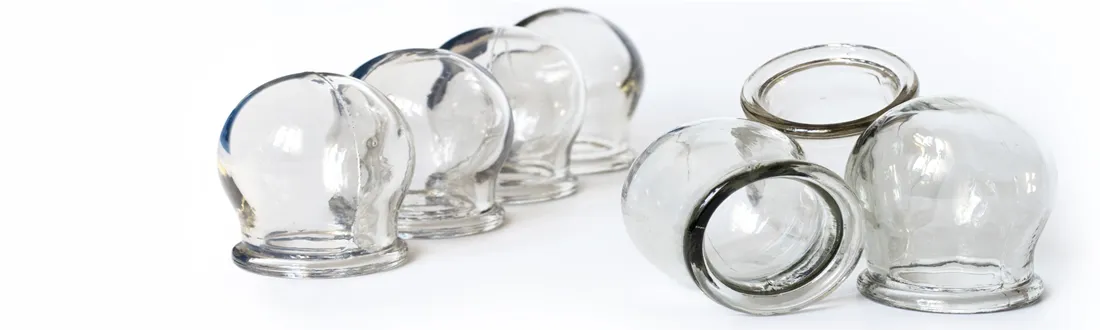
Cups are most commonly made from glass, plastic or silicone, and are applied to areas of the body where there is muscle tightness, pain or restricted movement. The therapy is used both as a standalone treatment and in combination with acupuncture as part of a broader traditional Chinese medicine (TCM) treatment plan.
After a cupping session, patients commonly report a sensation similar to having received a deep tissue massage — a pleasant release of tension that leaves the muscles feeling looser and the body more relaxed. Many patients find the treatment deeply soothing despite the unusual appearance of the cups on the skin.
Cupping has seen a surge in public interest in recent years, particularly after being highly visible on elite athletes at international competitions, demonstrating its effectiveness for muscle recovery and performance preparation.
2. History of cupping therapy
Cupping therapy is one of the oldest medical treatments in the world, with a history spanning thousands of years across multiple cultures. It has been practised in China, the Middle East, Europe and Africa, making it one of the most geographically widespread traditional therapies in existence.
In East Asia, cupping has been a core component of traditional Chinese medicine for over 2,000 years. Classical TCM texts describe cupping as a method of removing stagnation, expelling cold and damp from the body, and promoting the free flow of qi (energy) and blood through the meridian system.
In the Middle East, cupping is known as hijama and has been used in Islamic medicine for centuries. It is mentioned in hadith literature as a recommended therapeutic practice and remains widely used across the Arab world today.
In Europe, cupping was referenced by the ancient Greek physician Hippocrates, the father of western medicine, who used it to treat a variety of internal and structural conditions. It was practised in hospitals across the UK, including at St Thomas' Hospital in London, well into the 20th century, before declining with the rise of pharmaceutical medicine. Over the last few decades it has been reintroduced to western countries through the growing interest in TCM and complementary medicine, and has gained mainstream recognition through its use by world-class athletes.
3. Types of cupping therapy
There are three main types of cupping therapy in common use today. Each has specific applications and is suited to different conditions and patient needs.
Dry cupping
Dry cupping — also called suction cupping — is the most widely practised form and the type I use in my clinic. A vacuum is created inside the cup either by briefly heating the air inside a glass cup with a flame (fire cupping) or, in the modern approach, by using a hand pump to extract air from a plastic cup. The cup is then placed on the skin, where the suction draws the tissue upward into the cup.
The cups are typically left in position for 10 to 20 minutes, during which time blood flow to the area increases significantly and the underlying muscle tissue begins to release. This is the most effective method for treating muscle pain, back pain and musculoskeletal tension. I use a pump rather than a flame in my practice, as it is safer, more controlled and produces no risk of singeing skin or body hair.
Sliding (rolling) cupping
Sliding cupping uses soft silicone cups applied over oiled skin. Rather than being left in a fixed position, the cups are moved smoothly across the surface of the skin in long strokes, covering a broader area of the body. This technique produces a sensation similar to a deep tissue massage and is commonly used in TCM practice for large muscle groups such as the back, thighs and shoulders. It is also used to improve skin texture and circulation, and is the most effective TCM treatment for cellulite.
Wet cupping (hijama)
Wet cupping — known in Arabic as hijama — is a more intensive technique used primarily in Middle Eastern traditional medicine. Small, superficial incisions are made in the skin using a sterile lancet, and cups are then placed over the incisions to draw a small quantity of blood to the surface. It is believed this process removes stagnant or toxic blood from the body and promotes the regeneration of fresh, healthy blood. Wet cupping is particularly used for skin conditions such as psoriasis, and for detoxification.
I practise dry cupping and sliding cupping in my clinic. Wet cupping is not a treatment I offer.
4. How does cupping therapy work?
From a traditional Chinese medicine perspective, cupping works by moving stagnant qi (energy) and blood in the muscles and meridian channels, expelling cold and dampness from the body, and restoring the smooth flow of energy that underpins good health. Stagnation — whether of qi, blood or fluids — is understood in TCM to be the root cause of pain and many chronic health conditions. By creating suction over the affected area, cupping draws stagnation to the surface where it can be dispersed.
From a modern scientific perspective, cupping produces several well-documented physiological effects. The negative pressure created by the suction causes capillary expansion and rupture beneath the skin, which stimulates a local inflammatory response. This triggers increased blood flow, the recruitment of immune cells and the release of pain-modulating chemicals. Studies have shown that cupping can increase local microcirculation, reduce markers of inflammation and promote the relaxation of tense myofascial tissue.
Cupping works particularly effectively when combined with acupuncture, as both therapies work on the meridian system and complement each other's effects. Together they can produce a faster and more sustained therapeutic response than either treatment alone. It also works well alongside moxibustion and heat therapy for conditions involving cold and dampness in the muscles.
5. What are the benefits of cupping therapy?
Cupping therapy offers a range of therapeutic benefits, particularly for conditions involving muscular tension, pain and poor circulation. Unlike massage, which works by applying pressure downward into the tissue, cupping creates an upward lifting force that decompresses the muscle and fascia, making it especially effective for deep-seated tightness that is difficult to reach with manual therapy.
The key benefits of cupping therapy include:
- Relief from muscle pain and chronic tension
- Reduction of back pain and neck pain
- Release of myofascial adhesions and connective tissue restrictions
- Improved local blood circulation and oxygen delivery to the tissues
- Accelerated recovery from sports injuries
- Reduction of inflammation in the affected area
- Drainage of toxins and metabolic waste products from the muscles
- Relief from sciatica and nerve-related pain
- Support for respiratory conditions including bronchitis and chest infections
- Improved skin condition and circulation when used as sliding cupping
- Deep relaxation and reduction of stress
Many patients report that a single cupping session provides more immediate relief from muscle tension than several sessions of conventional massage. The effects are often felt during the treatment itself and continue to develop in the days following as the body's healing response runs its course.
6. What conditions can cupping therapy treat?
Cupping therapy is most widely used for musculoskeletal conditions and pain relief, but its applications extend across a broader range of health problems. Evidence from both clinical practice and research supports its use for:
- Back pain — including lower back pain, mid-back tension and thoracic stiffness
- Neck pain and cervical spondylosis
- Muscle pain and chronic muscular tension
- Sciatica and nerve compression pain
- Frozen shoulder and rotator cuff problems
- Sports injuries and muscle recovery
- Headaches and migraines caused by neck and shoulder tension
- Tennis elbow and golfer's elbow
- Respiratory conditions including bronchitis, chest infections and the common cold
- Skin conditions such as psoriasis (wet cupping)
- Fibromyalgia and widespread musculoskeletal pain
- Stress, anxiety and tension-related conditions
Cupping is particularly effective when used alongside acupuncture as part of a comprehensive TCM treatment plan, as the two therapies work synergistically on the same meridian and musculoskeletal systems.
7. Does cupping therapy hurt?
No — cupping therapy is not painful. During the treatment you will feel a pulling or stretching sensation in the skin and underlying tissue as the suction draws it upward into the cup. This sensation is unusual if you haven't experienced it before, but it is not painful. Most patients find it deeply comfortable and relaxing once the cups are in place.
The intensity of the suction can be adjusted to suit each individual patient. For those who are new to cupping or who have particularly sensitive skin, a gentler level of suction is used to begin with and can be increased gradually as the body becomes accustomed to the treatment.
When the cups are removed, the release of pressure produces a pleasant sensation of relief, and many patients describe feeling immediately more comfortable in their body. The treated area may feel warm and tender for a short while after the session, which is a normal part of the healing response.
8. Is cupping therapy safe?
Yes — cupping therapy is safe when performed by a properly trained practitioner. It has been used across multiple cultures for thousands of years with an excellent safety record. When practised correctly, the risk of serious adverse effects is extremely low.
There are some contraindications that a qualified practitioner will always screen for before treatment. Cupping should not be applied directly over active skin conditions such as eczema, psoriasis, sunburn or open wounds. It should not be used over varicose veins, bony prominences or inflamed, swollen areas. Patients who are taking blood-thinning medication should inform their practitioner before treatment, as the suction may produce more pronounced bruising.
Cupping is generally safe during pregnancy when applied to appropriate areas of the body by a practitioner who is trained in treating pregnant women. It should never be applied to the abdomen during pregnancy.
I always carry out a full assessment before treatment to ensure that cupping is appropriate for each individual patient and their specific health situation.
9. Are there any side effects of cupping therapy?
The most common — and expected — after-effect of cupping therapy is circular discolouration of the skin in the areas where the cups were placed. These marks are caused by the rupture of small capillaries beneath the skin surface as a result of the suction. They can range in colour from light pink to deep purple, depending on the degree of stagnation and poor circulation in the treated area, and typically fade completely within three to seven days.
It is important to note that these marks are not bruises in the conventional sense — they are not caused by trauma to the tissue. They are a sign that the therapy has drawn stagnation to the surface. Darker marks generally indicate a greater degree of stagnation in the area and often correspond with more significant therapeutic benefit.
Other possible side effects, which are uncommon, include:
- Mild skin irritation or temporary redness around the edges of the cup
- A feeling of light-headedness immediately after treatment, particularly in patients who are tired or have not eaten — this resolves quickly with rest and fluids
- Temporary soreness or sensitivity in the treated area for one to two days following treatment
Cupping should not be performed over areas of broken, infected or inflamed skin, or over herpes zoster (shingles) lesions. I always check the treatment area carefully before applying cups to ensure there are no contraindications.
10. What happens during a cupping therapy session?
At the start of your session, I will ask you about the location and nature of your pain or tension, your general health, and any relevant medical history. This assessment allows me to determine the most appropriate type of cupping, the areas to be treated and the level of suction to be used.
You will then be asked to remove clothing from the area to be treated and lie comfortably on the treatment couch. A massage oil or lotion may be applied to the skin if sliding cupping is to be used.
The cups are then applied to the relevant areas of the body. For dry cupping, the cups are positioned over points of tension and left in place for around 10 to 20 minutes while you relax. You may hear relaxing background music during this time. For sliding cupping, the cups are moved continuously over the oiled skin in long, flowing strokes.
Once the treatment time is complete, the cups are removed by pressing down gently on the skin beside the cup to release the vacuum. This is painless and produces an immediate sensation of relief. The skin is then wiped down if necessary.
After the session, I recommend drinking plenty of water to help flush out the toxins and metabolic waste products that have been released from the muscles back into the circulation. It is best to avoid strenuous exercise, alcohol and cold showers on the day of treatment to allow the body to complete its healing response undisturbed.
Cupping is frequently combined with acupuncture within a single treatment session, which enhances the therapeutic effect of both therapies. The combination of needling and cupping is one of the most powerful approaches available within TCM for the treatment of chronic pain and musculoskeletal conditions.
11. How to find a qualified cupping therapist
Because cupping therapy is not currently regulated in the UK, anyone can legally offer cupping — regardless of their level of training or clinical experience. This makes it important to choose your practitioner carefully.
The safest approach is to seek cupping from a practitioner who holds a full qualification in traditional Chinese medicine or acupuncture, as cupping is an integral component of TCM training. Members of the British Acupuncture Council (BAcC) have completed a minimum of 3,000 hours of training that includes cupping therapy as part of a comprehensive clinical education. This is a far higher standard than practitioners who have attended a short cupping-only course.
I am a fully qualified member of the British Acupuncture Council (BAcC) and the Register of Chinese Herbal Medicine (RCHM), with over 25 years of clinical experience. I offer cupping therapy at my clinics in Wokingham, Berkshire, most commonly as part of an integrated treatment session that includes acupuncture.
12. Commonly asked questions about cupping therapy
How long do cupping marks last?
The circular discolouration left by cupping typically fades within three to seven days, depending on the degree of stagnation in the treated area and the individual's skin type and circulation. Darker marks — which indicate a greater level of stagnation — may take slightly longer to resolve. By the end of the first week, the skin generally returns to its normal appearance completely.
How many cupping sessions will I need?
This depends on the nature and duration of your condition. For acute muscle tension or a recent injury, significant improvement is often achieved within two to four sessions. For chronic conditions that have been present for months or years, a longer course of treatment is usually needed. I will give you an honest assessment of your likely prognosis at your initial consultation and review your progress at each follow-up session.
Can I have cupping alongside acupuncture?
Yes — and it is highly recommended. Acupuncture and cupping work on the same meridian and musculoskeletal systems and complement each other's effects very well. In my practice, I frequently combine both therapies within a single treatment session, which tends to produce a faster and more lasting therapeutic response than either treatment used alone.
What types of cups are used?
Cups used in cupping therapy are most commonly made from glass, plastic or silicone. Glass cups have the greatest suction and are the traditional choice in TCM practice. Plastic cups used with a pump are safer and more controllable, and are the type I use in my clinic. Silicone cups are softer and most commonly used for sliding cupping. Bamboo and ceramic cups are also used in some traditional practices.
Can I do cupping at home?
Silicone cupping sets are available for home use and can be used safely for general muscle tension by adults who have been shown the correct technique. However, it is always best to have your first experience of cupping with a trained professional, who can identify the most appropriate areas to treat, ensure the level of suction is correct and check for any contraindications. Self-administered cupping is limited to accessible areas of the body such as the legs and arms.
Is cupping therapy available on the NHS?
No — cupping therapy is not available on the NHS. It is a complementary therapy and must be accessed privately. Full pricing information for cupping therapy at my clinics is available on the treatment prices page.
Is cupping therapy regulated in the UK?
Cupping therapy is not currently statutorily regulated in the UK, which means that anyone can legally offer the treatment regardless of their training. For this reason, it is important to choose a practitioner who holds a recognised professional qualification and is a member of an accredited professional body such as the British Acupuncture Council (BAcC).
How much does cupping therapy cost?
Full pricing information is available on the treatment prices page. An initial cupping therapy session at my Wokingham clinic is £60; follow-up sessions are £50.
13. References
Chronic pain — systematic review and meta-analysis
Meta-analysis of 18 RCTs (n = 1,172) finding large short-term effects of cupping on pain intensity compared to no treatment (SMD = −1.03; 95% CI = −1.41 to −0.65), and medium-sized effects on disability compared to no treatment (SMD = −0.66; 95% CI = −0.99 to −0.34).
Low back pain — systematic review and meta-analysis
The most comprehensive systematic review and meta-analysis on cupping for LBP (11 RCTs, 921 participants). High-quality evidence demonstrated cupping significantly improves pain at 2–8 weeks intervention endpoint (d = 1.09, 95% CI: 0.35–1.83, p = 0.004) with superior and sustained effect on pain reduction compared with medication therapy and usual care.
Neck pain — systematic review and meta-analysis
Systematic review and meta-analysis of RCTs finding that cupping reduced neck pain compared to no intervention or active control groups, and was associated with significant improvement in function and quality of life as an add-on treatment.
Musculoskeletal and sports rehabilitation — evidence-based review
Systematic review of 22 studies (2,214 identified) concluding that cupping therapy is useful in musculoskeletal and sports rehabilitation, with the main effects including decreasing pain, increasing pain thresholds, and increasing blood supply through negative pressure. Identified as a useful intervention despite low-to-moderate overall evidence quality.
Neuromuscular fatigue and sports recovery
Controlled study demonstrating that cupping therapy produced significant delayed reduction in exercise-induced neuromuscular fatigue via improved local blood flow, reduced muscle stiffness and alleviated muscle pain, supporting its use by elite athletes for recovery.
Athletes and cupping — systematic review of RCTs
Systematic review of RCTs on cupping therapy in amateur and professional athletes, providing the most comprehensive overview of the evidence for cupping in sports and performance contexts, consistent with the clinical observations of cupping’s effectiveness for muscle recovery in athletic populations.
Evidence mapping across pain conditions
Evidence-mapping study of 14 meta-analyses confirming moderate-quality evidence for cupping therapy across a wide range of pain conditions including chronic pain, knee osteoarthritis, low back pain and neck pain.















