




Fertility Diet Guide: What to Eat for Egg and Sperm Quality
By Dr (TCM) Attilio D'Alberto | Traditional Chinese Medicine Practitioner, Wokingham
The best fertility diet for egg and sperm quality is a Mediterranean-style pattern of whole foods: oily fish 3x/week (omega-3), pastured eggs and meat (protein, choline, B12), leafy greens (folate), nuts and seeds (zinc, selenium, vitamin E), berries and colourful vegetables (antioxidants), olive oil and avocado (healthy fats), bone broth and slow-cooked foods (TCM Blood and Essence support). Foods to avoid or reduce: refined sugar, trans fats and seed oils, ultra-processed foods, alcohol, high-mercury fish (swordfish, marlin, shark), excess caffeine (>1–2 cups/day), and raw or cold foods in the luteal phase. The 85–90 day egg-and-sperm maturation window means dietary changes need 3 months minimum to fully show in fertility outcomes.
What you eat in the three months before you try to conceive has a profound effect on your fertility. This is because eggs and sperm take approximately 85 to 90 days to fully mature — meaning the dietary choices you make today directly influence the quality of the eggs and sperm available for fertilisation three months from now. This window of opportunity is one of the most powerful levers available to any couple trying to conceive, yet it is almost never discussed in conventional fertility consultations.
Traditional Chinese medicine has understood the link between nourishment and fertility for thousands of years. The Spleen and Stomach — the digestive organs in TCM — are responsible for transforming food into Blood and Essence, the fundamental substances that build eggs, sperm, the uterine lining, and the capacity for conception. When the diet is poor, cold, erratic, or deficient, Spleen function is weakened, Blood becomes insufficient, and Kidney Essence — the foundation of reproductive vitality — is not adequately replenished. Conversely, a diet aligned with both nutritional science and TCM principles is one of the most effective things you can do to support your fertility at every level.
On this page
- Foundations of a fertility diet
- Top fertility foods
- Foods to avoid or limit
- Warming and cooling foods in TCM
- Eating for egg quality
- Eating for sperm quality
- Key nutrients and supplements
- Diet for IVF preparation
- Meal timing and eating habits
- My Fertility Guide
- References
1. Foundations of a fertility diet
There is no single "fertility diet" — but there is strong convergence between evidence-based nutritional science and TCM dietary principles on the key foundations. The most important principles are:
- Eat real, whole food: Highly processed foods, refined carbohydrates, added sugars, seed oils, and ultra-processed convenience meals create oxidative stress, disrupt blood sugar regulation, and impair hormonal signalling. The starting point for any fertility diet is replacing processed food with fresh, whole ingredients.
- Eat regularly and enough: Under-eating — whether through intentional dieting, skipping meals, or a calorie-restricted regime — signals to the reproductive system that resources are insufficient for pregnancy. The body deprioritises fertility when food availability appears uncertain. Three proper meals a day, with adequate caloric density, is more important than any individual food or supplement.
- Prioritise protein: Reproductive hormones, enzymes, and the structural components of eggs and sperm all require adequate protein. Include a high-quality protein source at every meal: meat, fish, eggs, dairy, legumes, or tofu.
- Include healthy fats: The membranes of eggs and sperm are composed largely of fatty acids, and fat-soluble vitamins (A, D, E, K) are essential for reproductive health. Healthy fats from oily fish, olive oil, avocados, nuts and seeds, and pastured butter or ghee should be daily staples.
- Eat colourfully: A wide range of vegetables and fruits across the colour spectrum provides the antioxidant vitamins and polyphenols that protect eggs and sperm from oxidative damage during their 85-day maturation.
2. Top fertility foods
The following foods have particular evidence for supporting fertility and align with TCM principles of nourishing Kidney Essence, building Blood, and strengthening Spleen Qi:
- Oily fish (salmon, mackerel, sardines, anchovies): Rich in omega-3 fatty acids (DHA and EPA) that improve the cell membrane quality of eggs and sperm, reduce inflammation, support progesterone production, and are required for fetal brain development. Aim for three portions per week.
- Eggs: A near-perfect fertility food — rich in choline (essential for neural tube formation), fat-soluble vitamins, selenium, and complete protein. In TCM, eggs are a Blood and Yin tonic.
- Liver: A nutrient-dense food providing the highest dietary concentrations of folate, vitamin B12, vitamin A, iron, and coenzyme Q10. A small portion of high-quality liver (e.g. 80g chicken liver) once or twice per week provides concentrated nutrition for reproductive tissue. Avoid liver in the first trimester of pregnancy (due to vitamin A excess), but it is excellent during preparation for conception.
- Bone broth: Rich in glycine, proline, collagen, and minerals — building blocks for the uterine lining, follicle walls, and the structural integrity of reproductive tissue. TCM classifies bone broth as a deep Kidney and Blood tonic.
- Dark leafy greens (spinach, kale, chard): Provide folate, iron, calcium, magnesium and antioxidants. Folate is critical for preventing neural tube defects and should be supplemented (as methylfolate, not folic acid, if MTHFR mutation is possible) from before conception.
- Walnuts: Uniquely high in omega-3 ALA and antioxidants — specifically studied for improving sperm quality in young men when consumed daily.
- Black sesame seeds: In TCM, a classic Kidney Essence and Blood tonic, used for centuries to support reproductive health. Rich in zinc, calcium, and sesamin — a lignan that supports oestrogen metabolism.
- Legumes (lentils, chickpeas, black beans): Provide plant-based protein, folate, iron, and zinc. Black beans are particularly valued in TCM as a Kidney tonic.
- Full-fat dairy (if tolerated): Some fertility research, including the Nurses' Health Study, suggests full-fat dairy (whole milk, full-fat yoghurt) is associated with better ovulatory fertility compared with low-fat varieties. The fat-soluble vitamins in dairy (A, D, K2) support reproductive function.
- Berries: Among the highest antioxidant density of any food. Blueberries, raspberries, and blackberries protect eggs and sperm from oxidative DNA damage during their maturation period.
- Pomegranate: Rich in polyphenols that improve endometrial blood flow — specifically studied for supporting uterine lining development. In TCM, pomegranate is a Blood tonic that nourishes the uterus.
- Royal jelly: Contains 10-hydroxy-2-decenoic acid (10-HDA) and other compounds that have been shown to support follicular development and egg quality. Often used alongside conventional fertility treatment.
3. Foods to avoid or limit
- Alcohol: Impairs ovarian function, reduces sperm quality, disrupts hormone metabolism, and increases miscarriage risk. Best eliminated entirely during the preconception period and pregnancy.
- High-mercury fish: Swordfish, shark, marlin, king mackerel, and tilefish accumulate mercury that is harmful to developing eggs, sperm, and fetal development. These should be avoided during preconception and pregnancy. Tuna should be limited to two tins per week.
- Trans fats: Industrially produced trans fats (found in some margarines, fried foods, and ultra-processed snacks) impair ovulation and reduce fertility in both men and women. Check labels for "partially hydrogenated oils".
- High-sugar foods and refined carbohydrates: Cause rapid blood sugar and insulin spikes that disrupt hormonal regulation and promote insulin resistance — a key driver of PCOS and ovulatory dysfunction. Replace with whole grains, legumes, and vegetables.
- Processed soya products: Soya contains phytoestrogens that in large amounts can disrupt hormonal balance. Moderate amounts of traditional fermented soya (miso, tempeh, natto) are generally fine; regular consumption of soya milk, soya protein powder, and soya-based meat substitutes is best avoided.
- Caffeine in excess: High caffeine intake (above 200mg per day, roughly two cups of coffee) has been associated with delayed time to conception and increased miscarriage risk in some studies. Moderate caffeine (one to two cups of coffee or tea) is generally considered acceptable.
- Cold and raw foods in excess: From a TCM perspective, excessive cold and raw foods damage Spleen and Stomach Yang, impairing the body's ability to transform food into Blood and Essence. This is especially relevant in women with Cold patterns (Kidney Yang deficiency, cold extremities, long cycles).
4. Warming and cooling foods in TCM
TCM food therapy divides foods not just by nutrients but by their thermal nature — the effect they have on the body's internal temperature and circulation. Understanding this adds a layer of personalisation beyond standard nutritional advice.
Warming foods that support Yang, promote circulation, and benefit women with cold patterns, long cycles, or poor circulation include: ginger, cinnamon, garlic, onions, leeks, lamb, venison, walnuts, black beans, lentils, oats, and slow-cooked root vegetables.
Cooling foods that nourish Yin and Blood, and benefit women with short cycles, scanty periods, disturbed sleep, or heat signs include: cucumber, celery, asparagus, mung beans, pears, watermelon (in moderation), tofu (in moderation), barley, and wheat.
Neutral foods appropriate for all constitutions include: rice, eggs, most meats, most legumes, most root vegetables, and most dairy products.
The key principle is that your constitution determines your ideal dietary emphasis. A woman who always feels cold, has a long or delayed cycle, and experiences cold hands and feet needs more warming foods and fewer raw and cold foods. A woman who runs hot, has a short cycle, and experiences night sweats needs more cooling and nourishing foods. Most people benefit from a broadly warming diet in winter and a lighter, more cooling diet in summer, with year-round avoidance of ice-cold drinks and large amounts of raw food.
5. Eating for egg quality
Egg quality is fundamentally a mitochondrial problem — the energy-producing capacity of the egg's mitochondria determines its ability to sustain the chromosomal division required for healthy fertilisation and embryo development. Dietary strategies to support mitochondrial function in eggs are therefore central to improving egg quality, particularly in women over 35.
- CoQ10 (ubiquinol): Mitochondrial co-factor that declines with age. Supplementation of 400–600mg ubiquinol daily (the reduced, more bioavailable form) in the three months before conception or IVF is well-supported by evidence and widely recommended by fertility specialists.
- Myo-inositol 4g daily: Improves insulin sensitivity and FSH receptor signalling in the ovary — beneficial for egg quality particularly in women with PCOS or elevated FSH.
- DHEA 25–75mg daily: A precursor adrenal hormone that improves ovarian response and egg quality — supported by clinical evidence particularly in women with diminished ovarian reserve. Should only be taken under specialist supervision.
- Methylfolate 400–800mcg: Essential for DNA synthesis and methylation — start at least three months before conception. Use the methylated form (5-MTHF) rather than synthetic folic acid if possible.
- Antioxidants (vitamins C and E, selenium, zinc): Protect the developing egg from oxidative damage throughout the 85-day maturation cycle.
- Omega-3 (fish oil): DHA and EPA are incorporated into egg cell membranes, supporting membrane fluidity and the ability of the egg to undergo fertilisation correctly.
6. Eating for sperm quality
Sperm quality has declined by approximately 60% over the past 40 years — a statistic noted in My Fertility Guide as one of the most striking fertility trends of modern times. Diet and lifestyle are major contributors to this decline, and dietary improvement is one of the most powerful interventions available to men trying to conceive. See also semen analysis guide for normal parameters.
- Zinc: Essential for testosterone synthesis and sperm maturation. Deficiency is directly associated with low sperm count and poor morphology. Oysters are the richest dietary source; meat, pumpkin seeds, and nuts are also good sources.
- Selenium: Required for the structural integrity of the sperm tail. Deficiency leads to poor motility. Brazil nuts (2 per day), tuna, salmon, and eggs are good sources.
- Vitamin C: A powerful antioxidant that protects sperm DNA from oxidative damage and prevents sperm clumping (agglutination). Citrus fruits, bell peppers, strawberries, and kiwi are excellent sources.
- Vitamin E: Works synergistically with selenium to protect sperm membranes from oxidative stress. Nuts, seeds, avocado, and olive oil.
- Lycopene: A carotenoid antioxidant found in tomatoes (particularly cooked tomatoes), watermelon, and pink grapefruit — specifically associated with improved sperm concentration and motility.
- Walnuts: A clinical trial demonstrated that 75g of walnuts daily for 12 weeks significantly improved sperm motility, vitality, and morphology in young men eating a typical Western diet.
- CoQ10 (ubiquinol): Improves sperm motility by supporting mitochondrial energy production. 200–400mg daily.
- Avoid heat to the testes: Hot baths, saunas, tight underwear, and laptops on the lap all raise testicular temperature above the level optimal for sperm production — reduce or eliminate these during the preconception period.
7. Key nutrients and supplements
A fertility-focused supplement protocol for women should typically include:
- Methylfolate 400–800mcg (or full methylated B complex if MTHFR is a concern)
- Vitamin D3 2000–4000 IU (test levels; optimise to 75–100 nmol/L)
- CoQ10 as ubiquinol 400–600mg
- Omega-3 (fish oil) 2g total DHA+EPA
- Magnesium glycinate 300–400mg (supports progesterone, sleep, thyroid function)
- Vitamin B12 (methylcobalamin) if dietary intake from animal products is limited
- Selenium 100–200mcg (if diet is selenium-poor)
- Zinc 15–25mg (particularly relevant for women with heavy periods and potential deficiency)
- Iron (only if deficient — test before supplementing)
- Myo-inositol 4g (particularly for PCOS or high FSH)
Always obtain nutrients from food first — supplements fill gaps, they do not replace a poor diet. The combination of a nourishing whole-food diet with targeted supplementation based on individual needs is far more effective than any supplement taken alongside an inadequate diet.
8. Diet for IVF preparation
The same principles apply during IVF preparation, but with particular emphasis on:
- Maximising anti-inflammatory foods and minimising processed foods in the eight to twelve weeks before stimulation
- CoQ10 ubiquinol to support the high energy demands of multiple follicle development during stimulation
- Adequate protein for follicle development and endometrial building
- Hydration — particularly important during stimulation when the ovaries are enlarged and fluid intake supports follicular fluid production
- Reducing alcohol to zero from at least three months before egg collection
- Mediterranean dietary pattern associated in several IVF studies with higher clinical pregnancy rates
See also preparing for IVF naturally.
9. Meal timing and eating habits
Beyond what you eat, when and how you eat matters. TCM strongly emphasises the importance of regular, unhurried meals and warm, cooked food. From a modern nutritional perspective:
- Eat breakfast — skipping breakfast raises cortisol and disrupts blood sugar regulation throughout the day.
- Avoid eating late at night — the digestive system is less efficient after 8pm, and late eating disrupts cortisol and melatonin rhythms that are important for reproductive hormone cycling.
- Chew thoroughly and eat without distraction — proper chewing initiates the digestive process and activates the parasympathetic state necessary for efficient nutrient absorption.
- Avoid ice-cold drinks — cold impairs gastric enzyme function and Spleen Qi. Room temperature or warm drinks support digestive efficiency, particularly at mealtimes.
- Cook your food — lightly cooking vegetables increases the bioavailability of many nutrients (such as beta-carotene from carrots and lycopene from tomatoes) and reduces the digestive burden compared with large amounts of raw food.
10. My Fertility Guide
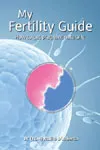
My Fertility Guide by Dr (TCM) Attilio D’Alberto is a comprehensive, evidence-based guide to natural conception, based on over 350 peer-reviewed research studies and 25 years of clinical experience. It blends cutting-edge science with the proven theories of traditional Chinese medicine to give you a complete, practical and easy-to-understand resource for improving your fertility.
The book covers the menstrual cycle and how to identify your fertile window, how to improve egg quality and sperm quality, optimising your diet, lifestyle and environment for conception, evidence-based supplements for both men and women, the most common fertility conditions including PCOS, endometriosis and low AMH, and the role of acupuncture and Chinese herbal medicine in improving fertility outcomes. Available in paperback, Kindle and ebook from Amazon, Waterstones and all major bookshops.
Once you conceive — My Pregnancy Guide by Dr (TCM) Attilio D’Alberto is the companion week-by-week guide to a healthy pregnancy and labour, combining evidence-based medicine with traditional Chinese medicine.
11. References
- Chavarro JE, et al. Diet and lifestyle in the prevention of ovulatory disorder infertility. Obstet Gynecol. 2007;110(5):1050–1058.
- Afeiche MC, et al. Walnuts and male fertility. Biol Reprod. 2012;87(4):101.
- Xu Y, et al. Pretreatment with coenzyme Q10 improves ovarian response and embryo quality in low-prognosis young women with decreased ovarian reserve. Reprod Biol Endocrinol. 2018;16(1):29.
- Vujkovic M, et al. The preconception Mediterranean dietary pattern in couples undergoing in vitro fertilization/intracytoplasmic sperm injection treatment increases the chance of pregnancy. Fertil Steril. 2010;94(6):2096–2101.
- Gaskins AJ, Chavarro JE. Diet and fertility: a review. Am J Obstet Gynecol. 2018;218(4):379–389.















