




Postnatal Recovery with Traditional Chinese Medicine
By Dr (TCM) Attilio D'Alberto | Traditional Chinese Medicine Practitioner, Wokingham
The weeks and months after birth are among the most physically and emotionally demanding of a woman's life — yet in the modern Western world, postnatal recovery receives relatively little structured support. Women are often expected to return to normal activity within days of birth, and the longer-term process of recovery and restoration is rarely addressed. Traditional Chinese medicine takes a radically different approach. As I write in My Pregnancy Guide: "In China, new mothers are encouraged to stay in bed for a month to help them recover from labour. This is called 'sitting the month' (zuo yuezi). New mothers are encouraged to drink warm fluids and eat no raw vegetables to help them heal faster. This practice dates back 2,000 years." This ancient framework for postnatal care contains principles that are not only culturally meaningful but are increasingly validated by modern research on maternal recovery. Understanding what the body goes through during and after birth — and how TCM supports its restoration — empowers new mothers to recover more completely, establish breastfeeding more easily, and protect their long-term health.
On this page
- What the body goes through at birth
- Zuo yuezi: sitting the month
- TCM view of postnatal recovery
- Lochia and uterine recovery
- Acupuncture in the postnatal period
- Chinese herbal medicine after birth
- Postnatal nutrition and warming foods
- Placenta encapsulation
- Breastfeeding support with TCM
- Postnatal mental health and TCM
- Recovery after caesarean section
- My Pregnancy Guide
- References
1. What the body goes through at birth
Birth is one of the most physically demanding events the human body can undergo. Regardless of mode of delivery — vaginal or caesarean — the physiological changes are profound and the recovery period is significant.
During vaginal delivery, the pelvic floor muscles, ligaments and connective tissue are stretched to an extraordinary degree. Perineal tears or episiotomy wounds require healing. The uterus — which at full term weighs approximately 1 kg and holds 5 litres of fluid — must contract over the following six weeks back to its non-pregnant size of approximately 70 grams. Blood loss during a normal vaginal delivery averages 300–500 ml; a postpartum haemorrhage can result in losses of more than 500 ml and requires immediate medical management.
In caesarean section, the abdominal wall is opened in multiple layers — skin, fascia, and the lower uterine segment — each of which must heal. The nerves supplying the skin below the scar are typically disrupted, and women often experience numbness, altered sensation and scar tissue adhesions that can affect posture, pelvic function and organ mobility for years if not addressed. Blood loss during caesarean is typically 500–1,000 ml.
Hormonally, birth triggers a massive shift: the placenta (the primary source of oestrogen and progesterone throughout pregnancy) is expelled, causing an abrupt fall in both hormones within hours. This hormonal withdrawal is one contributor to the "baby blues" experienced by many women in the first three to five days postnatally. Prolactin rises to support milk production, and oxytocin — the bonding and milk-let-down hormone — plays a central role in the early postnatal period.
Sleep deprivation begins immediately, the immune system is temporarily suppressed (increasing susceptibility to infection), and thyroid function may be disrupted — postpartum thyroiditis affects approximately 5–10% of women in the year after birth.
2. Zuo yuezi: sitting the month
Zuo yuezi (坚月子) — "sitting the month" — is a postnatal confinement practice that has been central to Chinese postpartum care for over 2,000 years. It prescribes a month of rest, warmth, nutritional support and protection from cold and wind for the new mother, during which the heavy demands of recovery are honoured rather than minimised.
The core principles of zuo yuezi:
- Rest and confinement: The new mother stays largely at home, limiting physical activity and exertion for the first thirty days. Household tasks and childcare beyond feeding the infant are handled by family or a professional yue sao (postnatal carer). This protects the depleted body's energy reserves for the critical work of recovery.
- Warmth: Exposure to cold — cold air, cold water, cold draughts — is avoided entirely. Baths and hair washing are done with warm water, and warm rather than cold drinks are taken throughout the day. From a TCM perspective, the body is highly vulnerable to Cold invasion in the postpartum period because the pores are open, the channels are depleted and the defensive Wei Qi is weakened. Cold that enters during this window can lodge in the joints and channels and cause pain and obstruction for years — a phenomenon that Western rheumatology is beginning to recognise in the form of postpartum inflammatory arthritis.
- Warming foods: Cold, raw foods are avoided entirely. As noted in My Pregnancy Guide, new mothers are encouraged to drink warm fluids and eat no raw vegetables to help them heal faster. The dietary focus is on warm, easily digestible, Blood- and Qi-nourishing foods (see section 7).
- Avoidance of wind: Opening windows, fans and air conditioning are avoided — wind is considered another pathogenic factor that can enter the depleted channels postnatally.
- Emotional support: Stress and strong emotions are considered damaging to the Liver and Heart in the postnatal period; social support, calm surroundings and joyful interactions with the infant are actively cultivated.
Western medicine has largely dismissed zuo yuezi as folklore, yet its principles align closely with modern understanding of postnatal physiology. The avoidance of cold water has practical infection-prevention benefits in settings without clean water supply. The emphasis on rest is supported by research showing that early return to activity after birth is associated with pelvic floor dysfunction, increased perineal wound complications and poorer breastfeeding outcomes. The focus on nutrient-dense, warming foods directly addresses the documented micronutrient depletion associated with pregnancy and birth.
A contemporary adaptation of zuo yuezi, suitable for Western settings, focuses on: at least two weeks of genuine rest with minimal household responsibility; warm, home-cooked meals delivered or prepared by supporters; warm drinks throughout the day; protection from cold and damp weather; and a gradual rather than abrupt return to activity after six weeks.
3. TCM view of postnatal recovery
In traditional Chinese medicine, birth is understood as a major depletion of Qi, Blood, and Kidney Jing (vital essence). Nine months of pregnancy draw heavily on the mother's resources to build and sustain the developing baby; labour itself consumes enormous Qi in the effort of contractions and the work of expulsion; and blood loss during delivery directly depletes the Blood.
This creates a characteristic postnatal state in TCM terms: Blood deficiency (leading to poor milk supply, dizziness, pale complexion, fatigue, dry skin and hair, night sweats and mood changes); Qi deficiency (leading to breathlessness, weakness, prolapse tendency, poor appetite, loose stools and difficulty holding urine); and sometimes Blood stasis (when lochia — the postnatal discharge — is not expelled cleanly, leading to retained blood that obstructs the channels and causes postnatal pain, particularly in the abdomen).
The organs most commonly affected in the postnatal period are:
- Spleen: The Spleen governs the transformation of food into Blood and Qi. If the Spleen is depleted by poor diet, excessive cold foods or lack of rest, it fails to generate the Blood needed for recovery and milk production. Digestive symptoms — bloating, loose stools, poor appetite — are common in Spleen Qi deficiency postnatally.
- Heart: The Heart governs the Blood and the Shen (mind-spirit). Postnatal blood loss directly impacts Heart Blood, which is reflected in anxiety, palpitations, insomnia, emotional lability and difficulty bonding — all symptoms of Heart Blood deficiency. The postnatal "baby blues" and, in more severe cases, postnatal depression have a clear TCM correlate in Heart and Liver Blood deficiency.
- Kidney: Labour depletes Kidney Jing — the deep constitutional essence that supports all bodily function and that is particularly difficult to restore. Kidney deficiency presents as lower back pain and weakness, urinary frequency or incontinence (common postnatally from pelvic floor damage), hair loss (a very common postnatal complaint), tinnitus, fatigue and poor bone healing.
- Liver: The Liver stores the Blood and governs the smooth flow of Qi through the body. Blood deficiency depletes the Liver's store, and the resulting Liver Blood deficiency can generate Liver Qi stagnation — explaining the irritability, frustration and emotional volatility that many women experience postnatally, which has a physiological basis in TCM rather than being merely "emotional".
4. Lochia and uterine recovery
Lochia — the postnatal vaginal discharge — begins immediately after delivery and typically continues for four to six weeks. It passes through three phases:
- Lochia rubra (days 1–4): bright to dark red, consisting of blood, decidua and mucus
- Lochia serosa (days 4–10): pinkish-brown, thinner, as uterine involution progresses
- Lochia alba (days 10 to 6 weeks): white-yellowish discharge as healing approaches completion
From a TCM perspective, the clean and complete expulsion of lochia is essential to recovery. Lochia that is retained — whether due to Blood stasis, cold invasion causing contraction of the uterine vessels, or Qi deficiency failing to move the blood — is a pathological state that must be addressed. Retained lochia presents as lochia that stops and restarts repeatedly, or that has clots and foul odour, or is accompanied by uterine pain and tenderness.
Acupuncture and herbs — particularly formulas containing Sheng Hua Tang (a classic postnatal formula containing Chinese angelica Dang Gui, peach kernel Tao Ren, lovage root Chuan Xiong, dried ginger Gan Jiang and liquorice Gan Cao) — support the complete expulsion of lochia by invigorating Blood and warming the uterus, assisting involution without excessive haemorrhage.
5. Acupuncture in the postnatal period
Acupuncture is safe and highly effective in the postnatal period, addressing both the physical recovery from birth and the emotional challenges of new motherhood. Treatment in the first six weeks focuses on:
Supporting uterine involution: Points on the Spleen, Stomach, Kidney and Conception Vessel channels are used to nourish Blood, tonify Qi, and support the uterus's return to its pre-pregnant state. Where lochia is retained, Blood-invigorating points are added to resolve stasis.
Perineal and caesarean wound healing: Local acupuncture around the scar area (once the wound is closed) stimulates blood flow and nerve regeneration, reducing scar tissue adhesion formation and improving sensation. This is particularly relevant for caesarean scars, where adhesion formation can affect bladder function, bowel mobility and pelvic pain for years.
Pelvic floor support: Points that tonify Kidney Qi and Spleen Qi support the pelvic floor's recovery from the stretching and potential damage of delivery. Women experiencing urinary incontinence, prolapse sensation or pelvic heaviness respond well to this approach combined with physiotherapy pelvic floor exercises.
Breastfeeding support: Insufficient milk supply is often rooted in Blood and Qi deficiency — exactly what acupuncture addresses. Points on the Stomach channel (which passes through the breast) combined with Spleen and Kidney tonification support milk production. Mastitis (breast inflammation with blocked ducts) responds rapidly to acupuncture, which disperses the local heat and stasis and reduces the risk of abscess formation.
Postnatal mood support: The emotional demands of new parenthood, combined with the hormonal flux and sleep deprivation of the early postnatal period, make many women vulnerable to anxiety and low mood. Acupuncture at points that nourish Heart Blood, settle the Shen (mind) and course Liver Qi addresses the physiological basis of postnatal mood disturbance, often producing immediate calming and clarifying effects that persist between treatments.
Recovery from caesarean: The recovery from abdominal surgery is significantly supported by acupuncture for pain management, bowel motility restoration (paralytic ileus — temporary bowel paralysis after abdominal surgery — is common after caesarean), and scar healing.
6. Chinese herbal medicine after birth
Chinese herbal medicine is a central pillar of postnatal TCM care, and as noted in My Pregnancy Guide: "I would also recommend taking Chinese herbs to help your uterus recover. Chinese herbs are safe to take while breastfeeding."
Key postnatal herbal strategies include:
Sheng Hua Tang (Generate and Transform Decoction): The classic postnatal formula, traditionally taken for the first seven to ten days after delivery. It warms the uterus, invigorates Blood, resolves stasis, and assists lochia expulsion. It is not used if there is active heavy bleeding. The combination of Dang Gui, Chuan Xiong, Tao Ren, Gan Jiang and Gan Cao is specifically designed for the postnatal Blood stasis state.
Ba Zhen Tang (Eight Treasure Decoction): A dual Qi and Blood tonic that forms the basis of many postnatal prescriptions once lochia has resolved normally. It combines the Four Gentlemen (Si Jun Zi Tang — Ren Shen or Dang Shen, Bai Zhu, Fu Ling, Gan Cao) for Qi and the Four Substances (Si Wu Tang — Shu Di Huang, Bai Shao, Dang Gui, Chuan Xiong) for Blood. This formula directly addresses the core TCM pathology of postnatal Qi and Blood deficiency.
Bu Zhong Yi Qi Tang: Specifically indicated for postnatal Qi sinking — the pattern underlying uterine prolapse, urinary incontinence and pelvic floor weakness. It tonifies Spleen Qi and "lifts" the middle Qi, supporting pelvic organ position and function.
Individual herbs: Dang Gui (Chinese angelica) nourishes and moves Blood; Shu Di Huang (prepared rehmannia) deeply nourishes Kidney Yin and Blood; Gou Qi Zi (wolfberry) nourishes Liver and Kidney Blood — all particularly relevant to postnatal hair loss; He Shou Wu (Fo-ti) deeply nourishes Blood and Essence in the postnatal period; Dang Shen (codonopsis) tonifies Qi and supports milk production.
All formulas must be prescribed by a qualified TCM practitioner who can adapt the base formula to the individual presentation. Self-prescribing herbal medicine in the postnatal period is not recommended.
7. Postnatal nutrition and warming foods
TCM dietary therapy in the postnatal period prioritises foods that nourish Blood, tonify Qi, warm the uterus and restore Kidney Jing — the resources most depleted by birth.
Warming protein sources: Bone broths (chicken, pork, fish) are central to traditional postnatal diets across Asian cultures. Long-simmered bones release collagen, glycine, calcium and other minerals that support tissue repair and gut lining integrity. Chicken is considered Blood-nourishing and Qi-tonifying in TCM. Dark meat is preferred over white meat for its greater Blood-nourishing properties. Eggs — considered neutral-warm and highly nutritive — are a traditional postnatal food in many Asian cultures and are now understood to provide choline, which is critical for brain development in breastfed infants.
Black sesame seeds: One of the most important Kidney Yin and Blood-nourishing foods in TCM. Rich in iron, calcium, zinc and lignans, they are traditionally prepared as a paste with rice or honey. Particularly beneficial for postnatal hair loss, which is a Kidney and Liver Blood deficiency symptom.
Red dates (Da Zao, Jujubes): Tonify Qi, nourish Blood and calm the Heart Shen — directly addressing postnatal fatigue and emotional instability. Rich in iron and vitamin C, they improve iron absorption alongside other iron-rich foods.
Walnuts: Warm in nature and specifically kidney-nourishing in TCM. Rich in omega-3 fatty acids (important for postnatal brain health and breast milk quality) and zinc.
Ginger: Warming, promotes circulation, and specifically used to "expel cold" in the postnatal period. Ginger in soups, stir-fries and teas is a staple of traditional postnatal cooking across Chinese, Korean, Indian and Malaysian cultures. Ginger tea throughout the day supports the "warmth" principle of zuo yuezi.
Congee (rice porridge): The digestive recovery food par excellence in TCM. Easily digested, gently warming, and supportive of Spleen function — which is the basis of all postnatal Blood and Qi generation. Plain congee can be enriched with chicken, goji berries, red dates, black sesame and ginger for maximum nourishing benefit.
Avoid in the postnatal period: Cold drinks and raw foods (salads, smoothies, cold juices) are avoided for at least the first two to four weeks, as they impair Spleen function and introduce cold into the depleted channels. Spicy, greasy and heavily processed foods are avoided as they generate damp-heat, which can impair lochia expulsion and milk quality.
Supplements: Continuing the prenatal multivitamin through breastfeeding is recommended. Iron supplementation should be guided by blood tests, as postnatal anaemia is common. Omega-3 (at least 1–2g EPA+DHA daily) supports postnatal mood and breast milk composition. Vitamin D (1,000–2,000 IU daily) is essential — breast milk alone does not provide adequate vitamin D for the infant. Magnesium supports mood, sleep quality and muscle recovery.
8. Placenta encapsulation
As noted in My Pregnancy Guide: "I would also recommend keeping your placenta to consume." Placenta encapsulation — the process of drying, powdering and encapsulating the placenta for the mother to consume in the weeks after birth — is a practice with roots in Chinese medicine that has become increasingly popular in Western countries.
From a TCM perspective, the placenta (Zi He Che — literally "purple river vehicle") is considered a profound essence tonic — rich in maternal and fetal Jing — and is classified as a medicinal ingredient in traditional Chinese materia medica. It is used in classical formulas for conditions of extreme Qi and Blood deficiency, Kidney deficiency and deficient Cold.
The proposed benefits of postnatal placenta consumption include: restoration of iron and other micronutrients lost in delivery; supply of hormones (oestrogen, progesterone, oxytocin, prolactin precursors) that decline abruptly after birth; and the Jing-essence that the placenta carries from the nine months of its function. Proponents report reduced postnatal fatigue, better milk supply and improved mood, though randomised controlled evidence is limited to date.
Placenta encapsulation is best arranged in advance of birth with a qualified practitioner who follows safe food handling guidelines. The placenta is typically processed using the Traditional Chinese Medicine method (steaming with ginger, lemon and chilli before dehydrating and encapsulating) or the raw method. Where gestational infection has occurred, encapsulation is contraindicated.
9. Breastfeeding support with TCM
Breastfeeding is the optimal nutrition for the newborn and has profound long-term health benefits for both mother and child. Yet many women struggle to establish and maintain breastfeeding, and insufficient milk supply is one of the most common reasons given for discontinuation.
From a TCM perspective, milk is made from Blood — the same resource that is depleted by birth. The Stomach channel passes through the breast, and the Spleen (which produces Blood from food) is the root of milk production. Kidney Jing provides the foundational essence from which Blood is generated. This means that Blood deficiency, Spleen Qi deficiency, or Kidney deficiency following birth will directly impair milk supply.
Acupuncture addresses all three mechanisms simultaneously. Points on the Stomach channel (ST16, ST18) stimulate the breast directly; Spleen and Stomach tonification points (SP6, ST36) build the digestive foundation for milk production; Kidney tonification points (KD3, BL23) support the deeper essence. Clinical evidence supports acupuncture for insufficient lactation: a systematic review found significant improvements in milk volume and breastfeeding duration compared to no treatment or usual care.
Galactagogue herbs — herbs that support milk production — include: Tong Cao (rice paper pith), which promotes lactation by clearing blockages in the breast channels; Dang Gui (Chinese angelica), which nourishes Blood (the raw material of milk); Wang Bu Liu Xing (vaccaria seeds), which moves Qi and Blood through the breast channels; and Lou Lu (rhaponticum root), used specifically for insufficient lactation with breast fullness.
For mastitis (blocked ducts with fever and inflammation), immediate acupuncture is highly effective — typically resolving symptoms within one to two treatments if attended early. Points that clear heat, resolve damp and invigorate breast channel Blood are combined with local needling to reduce the inflammatory blockage. Early treatment can prevent progression to abscess.
10. Postnatal mental health and TCM
Postnatal depression affects approximately 10–15% of mothers (and is significantly underreported), and postnatal anxiety is increasingly recognised as equally common. The "baby blues" — transient tearfulness, emotional lability and overwhelm in the first three to five days after birth — affect up to 80% of women and resolve spontaneously as hormone levels stabilise.
In TCM, postnatal emotional difficulties are understood as a consequence of Blood deficiency affecting the Heart Shen. The Heart governs consciousness, emotions and sleep, and it is nourished by Heart Blood. When Blood is severely depleted postnatally, the Heart loses its anchor — the Shen becomes unsettled, producing the anxiety, insomnia, tearfulness and emotional volatility characteristic of postnatal emotional disturbance.
The Liver, which stores the Blood and governs the smooth flow of Qi, is also affected. Blood deficiency leads to Liver Blood deficiency and subsequently Liver Qi stagnation — explaining the irritability, frustration and sense of being trapped or overwhelmed that characterises postnatal depression more than simple sadness.
TCM treatment of postnatal mental health involves nourishing Heart and Liver Blood, calming the Shen, and coursing Liver Qi. Points such as HT7 (Spirit Gate), PC6, LV3, SP6, BL17 and BL20 are used alongside herbal formulas such as Gui Pi Tang (Restore the Spleen Decoction) — which specifically nourishes Heart Blood and calms the Shen — or modified Xiao Yao San for Liver Qi stagnation with Blood deficiency.
Research supports acupuncture for postnatal depression. A randomised controlled trial (Chung et al., 2012) found acupuncture significantly reduced Edinburgh Postnatal Depression Scale scores compared to the waiting list control, with effects sustained at follow-up. Acupuncture is safe during breastfeeding and does not interact with medication — making it an important option for mothers who are hesitant about pharmaceutical antidepressants while nursing.
Women with severe postnatal depression, postnatal psychosis, or active suicidal ideation require urgent psychiatric assessment and should not delay seeking this support. Acupuncture is a complement to, not a replacement for, medical care in severe presentations.
11. Recovery after caesarean section
Caesarean section is major abdominal surgery, and its recovery requires specific consideration. The abdominal muscles, fascia and uterine wall must all heal through the same tissue repair processes as any surgical wound — but new mothers are simultaneously caring for a newborn, often with significantly disrupted sleep.
TCM post-caesarean support focuses on:
- Pain management: Acupuncture reduces post-operative pain and NSAID requirement — evidence from general surgical settings is well-established. This is particularly valuable for mothers who are breastfeeding and wish to minimise medication exposure.
- Bowel recovery: Paralytic ileus — temporary cessation of bowel motility following abdominal surgery — is uncomfortable and delays hospital discharge. Acupuncture at ST36 and other Stomach-channel points is supported by evidence for accelerating post-operative bowel recovery.
- Scar management: Acupuncture around the caesarean scar (from approximately six weeks after surgery once the skin is healed) reduces adhesion formation, improves scar mobility and sensation, and prevents the internal adhesions that can cause chronic lower abdominal pain, bladder or bowel tethering, and difficulty with subsequent pregnancies.
- Herbal support: The same Qi and Blood tonifying principles apply, with the addition of herbs that promote wound healing: Huang Qi (astragalus) promotes tissue repair and immune function; San Qi (notoginseng) reduces scarring and promotes blood circulation to the healing tissue without promoting haemorrhage.
Zuo yuezi principles are especially relevant after caesarean: the rest, warmth and nourishing diet that are recommended in traditional practice align closely with the medical requirements of surgical recovery. A minimum of six weeks of reduced physical activity, avoidance of lifting heavy weights and progressive return to exercise are all consistent with both TCM tradition and surgical aftercare guidelines.
12. My Pregnancy Guide
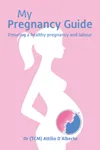
My Pregnancy Guide by Dr (TCM) Attilio D'Alberto provides comprehensive guidance on all aspects of pregnancy and postnatal recovery from a traditional Chinese medicine perspective. It covers zuo yuezi (sitting the month) in detail, including dietary guidance, herbal medicine recommendations, and the principles of postnatal rest and warmth that protect long-term health. It also covers pelvic girdle pain, breastfeeding support, postnatal mental health, and how to use TCM safely and effectively through every stage of pregnancy and the postnatal period.
For those planning a pregnancy or trying to conceive, My Fertility Guide covers the full approach to fertility optimisation with TCM, from initial assessment through to IVF support, providing the context and preparation that leads to the healthiest possible pregnancy and recovery.
13. References
- Chung KF et al. (2012). A randomised, double-blind, placebo-controlled trial of the efficacy of acupuncture for postnatal depression. Journal of Affective Disorders.
- Dennis CL, Dowswell T (2013). Psychosocial and psychological interventions for preventing postpartum depression. Cochrane Database of Systematic Reviews.
- Feng J et al. (2015). Acupuncture for lactation insufficiency: a systematic review. Evidence-Based Complementary and Alternative Medicine.
- Hofmeyr GJ, Kulier R (1996). Hands and knees posture in late pregnancy or labour for fetal malposition. Cochrane Database of Systematic Reviews.
- Humenick SS, Hill PD (1994). Breastfeeding and the employed mother. Journal of Human Lactation.
- Kvorning N et al. (2004). Acupuncture relieves pelvic and low-back pain in late pregnancy. Acta Obstetricia et Gynecologica Scandinavica; 83(3):246–50.
- Liu Y et al. (2014). Effect of acupuncture on post-operative gastrointestinal function. World Journal of Gastroenterology.
- Maciocia G (1998). Obstetrics and Gynecology in Chinese Medicine. Churchill Livingstone.
- NICE (2021). Postnatal care. NICE guideline NG194.
- Ou J (2012). The First Forty Days: The Essential Art of Nourishing the New Mother. Stewart, Tabori and Chang.
- Togrul C et al. (2014). Risk factors and pregnancy outcomes in patients with symphysis pubis dysfunction. Taiwanese Journal of Obstetrics and Gynecology.















