


Pre-eclampsia: Natural Support Approaches and the TCM Perspective
By Dr (TCM) Attilio D'Alberto | Traditional Chinese Medicine Practitioner, Wokingham
Important: Pre-eclampsia is a potentially serious medical condition requiring conventional obstetric management. This article discusses supportive natural approaches and the TCM perspective on prevention and adjunct care, not replacement of medical treatment. If you have pre-eclampsia, you must be under the care of your midwife and obstetrician. Do not use any supplements or herbal medicine during pregnancy without your maternity team's knowledge.
Pre-eclampsia affects 2–8% of pregnancies worldwide and is a leading cause of maternal and fetal morbidity. It is characterised by high blood pressure (hypertension) and protein in the urine (proteinuria) after 20 weeks of pregnancy, often accompanied by oedema, headaches, visual disturbances, and upper abdominal pain. In its severe form it can progress to eclampsia (seizures), HELLP syndrome (a haematological and liver complication), placental abruption, and fetal growth restriction.
While conventional medicine is essential for managing established pre-eclampsia — and delivery of the baby and placenta is the only definitive cure — research is increasingly identifying risk factors and nutritional strategies that may reduce the likelihood of developing the condition. Traditional Chinese medicine also has a perspective on the underlying imbalances that predispose women to pre-eclampsia, which informs both preventive approaches and adjunct supportive care.
On this page
- What pre-eclampsia is
- Risk factors
- Signs and symptoms to recognise
- TCM understanding of pre-eclampsia
- Evidence-based prevention strategies
- Diet and nutrition
- Supplements with evidence
- Acupuncture and blood pressure
- Conventional management
- After the pregnancy
- My Pregnancy Guide
- References
1. What pre-eclampsia is
Pre-eclampsia is a multisystem disorder unique to pregnancy, arising from abnormal placentation in the first trimester. In normal pregnancy, the trophoblast cells of the placenta invade the maternal spiral arteries and remodel them into wide, low-resistance vessels capable of supporting the high blood flow needed by the growing fetus. In pre-eclampsia, this remodelling is deficient — the spiral arteries remain narrow and high-resistance, causing placental ischaemia (inadequate blood supply) that triggers an inflammatory cascade affecting the maternal endothelium (blood vessel lining) throughout the body.
The result is widespread endothelial dysfunction: systemic vasoconstriction (raising blood pressure), increased vascular permeability (causing proteinuria and oedema), platelet activation, and organ stress affecting the kidneys, liver, brain, and haematological system. Pre-eclampsia is therefore fundamentally a placental disorder that expresses as a maternal disease, and its resolution depends on delivery of the placenta.
2. Risk factors
Risk factors for pre-eclampsia include:
- First pregnancy (nulliparity) — risk is higher in first-time mothers
- Previous pre-eclampsia — women with a prior history have a 20–25% recurrence risk
- Multiple pregnancy (twins or higher order)
- Chronic hypertension (high blood pressure pre-existing before pregnancy)
- Chronic kidney disease
- Diabetes (type 1, type 2, or gestational)
- Autoimmune conditions (antiphospholipid syndrome, lupus)
- Obesity (BMI above 30)
- Age over 40
- Family history of pre-eclampsia (maternal or paternal)
- Long interpregnancy interval (more than 10 years since last pregnancy)
- Donor egg pregnancy (greater immunological disparity between mother and embryo)
- Vitamin D deficiency
3. Signs and symptoms to recognise
Pre-eclampsia may develop gradually or present acutely. Signs and symptoms include:
- Persistent headache that does not resolve with paracetamol
- Visual disturbances — flashing lights, blurring, blind spots
- Severe upper abdominal pain or pain under the right rib cage (hepatic involvement)
- Significant swelling of the face, hands, or feet (beyond normal pregnancy oedema)
- Sudden weight gain from fluid retention
- Feeling very unwell, agitated, or confused
- Blood pressure readings of 140/90 mmHg or above (measured twice, 4 hours apart)
- Protein in the urine on dipstick testing
Any of the above symptoms should prompt immediate contact with the maternity unit. Do not delay seeking assessment. Pre-eclampsia can deteriorate rapidly; prompt recognition and management saves lives.
4. TCM understanding of pre-eclampsia
Pre-eclampsia does not map precisely onto a single TCM diagnosis — the closest parallels are found in the traditional categories of zi xian (pregnancy-induced convulsions/eclampsia), zi zhong (pregnancy-induced stroke), and zi xuan (pregnancy-induced dizziness). The underlying patterns that create the predisposition to these conditions include:
- Liver Yang rising: In TCM, the Liver governs the smooth flow of Qi and Blood and controls the tendons and vessels. When Liver Yin and Blood become insufficient (which they naturally do during pregnancy as Blood is channelled to nourish the fetus), Liver Yang — the active, ascending force — can rise unchecked, creating internal wind and heat that manifests as hypertension, headaches, visual disturbances, and in severe cases, seizures. This is the primary TCM pattern underlying pre-eclampsia.
- Kidney Yin deficiency: The foundation of Liver Yin is Kidney Yin — the root of all Yin in the body. Women with constitutional Kidney Yin deficiency are more susceptible to Liver Yang rising during pregnancy, particularly during the later stages when fetal demands on Yin and Blood are greatest.
- Phlegm-dampness: Accumulation of phlegm-damp (from Spleen Qi deficiency and fluid retention) contributes to the oedema and mental fog of pre-eclampsia. When phlegm-damp combines with internal Wind and Heat, the classical description of eclampsia in TCM (phlegm-heat obstructing the orifices of the heart, with internal wind) emerges.
- Blood stasis: Poor placental circulation in TCM terms reflects Blood stasis in the Chong and Ren vessels — the impaired spiral artery remodelling of pre-eclampsia corresponds to the TCM concept of Blood stasis impeding the adequate nourishment of the fetus through the placental vessels.
TCM preventive strategies focus on nourishing Liver and Kidney Yin, calming Liver Yang, resolving phlegm-damp, and maintaining smooth Blood circulation throughout pregnancy — approaches that begin in the first trimester and are especially relevant in women with known risk factors.
5. Evidence-based prevention strategies
Current evidence supports the following approaches for reducing pre-eclampsia risk in susceptible women:
- Low-dose aspirin: The most evidence-based preventive intervention. NICE now recommends 75–150mg aspirin daily from 12 weeks in all women with one high risk factor or more than one moderate risk factor. Aspirin improves placental blood flow by inhibiting thromboxane A2-mediated platelet aggregation and vasoconstriction. The ASPRE trial demonstrated a 62% reduction in pre-eclampsia before 37 weeks in high-risk women taking 150mg aspirin.
- Calcium supplementation: In populations with low dietary calcium intake, supplementation of 1–1.5g daily significantly reduces pre-eclampsia risk. The WHO recommends calcium supplementation in pregnant women with low calcium intake. In the UK, where dietary calcium is generally adequate, the evidence for supplementation is less strong, but women who avoid dairy or have restricted diets may benefit.
- Vitamin D: Deficiency is associated with increased pre-eclampsia risk. Maintaining optimal vitamin D levels throughout pregnancy (target 75–100 nmol/L) is advisable. See vitamin D and fertility.
6. Diet and nutrition
Dietary approaches that reduce endothelial inflammation, improve placental perfusion, and correct nutritional deficiencies associated with pre-eclampsia risk include:
- Anti-inflammatory diet: Mediterranean dietary pattern — high in vegetables, fruit, fish, olive oil, nuts, and legumes; low in processed foods, red meat, and refined carbohydrates — reduces systemic endothelial inflammation and supports healthy blood pressure regulation.
- Magnesium: Intravenous magnesium sulphate is the conventional treatment for eclamptic seizures. Dietary magnesium — from dark leafy greens, nuts, seeds, legumes, and whole grains — supports vascular smooth muscle relaxation and blood pressure regulation throughout pregnancy. Magnesium deficiency is common in the UK.
- Potassium: A diet rich in potassium (from vegetables, fruits, legumes, nuts, and dairy) supports healthy blood pressure. The DASH diet (Dietary Approaches to Stop Hypertension) provides a practical framework.
- Avoid excess sodium: While mild salt restriction is not as important as once believed in pre-eclampsia prevention, avoiding highly processed and salt-rich foods reduces overall cardiovascular stress.
- L-arginine: A precursor to nitric oxide — the primary vasodilatory molecule in the endothelium. Dietary sources include pumpkin seeds, turkey, chicken, and legumes. L-arginine supplementation has been studied in pre-eclampsia prevention trials with mixed results.
7. Supplements with evidence
Beyond aspirin and calcium, the following supplements have some evidence or biological rationale in the context of pre-eclampsia risk reduction:
- Vitamin D (1000–2000 IU daily): Maintaining sufficient levels reduces pre-eclampsia risk, particularly in deficient women.
- Magnesium glycinate (300–400mg daily): Supports vascular tone and may reduce blood pressure in hypertensive pregnant women.
- Omega-3 fatty acids (fish oil, 2g DHA+EPA daily): Anti-inflammatory; improves prostacyclin/thromboxane balance (prostacyclin is vasoprotective; thromboxane is vasoconstrictive — pre-eclampsia involves an imbalance toward thromboxane). The Cochrane review (2006) found a modest protective effect.
- Lycopene: An antioxidant carotenoid (from tomatoes) that reduces oxidative stress in the endothelium. A trial of lycopene supplementation (2mg twice daily) in nulliparous women at 16 weeks showed a significant reduction in pre-eclampsia incidence.
- Coenzyme Q10 (CoQ10): Improves mitochondrial function in the endothelium and reduces oxidative stress. Limited but promising pre-eclampsia prevention data.
Always discuss supplement use with your midwife or obstetrician before starting anything new in pregnancy.
8. Acupuncture and blood pressure
Several small studies have examined the effect of acupuncture on blood pressure in pregnancy. Acupuncture has been shown to reduce maternal cortisol and activate the parasympathetic nervous system — both of which support lower blood pressure. Points used for hypertension management in TCM include LI 11, ST 40, GB 20, KD 3, and LV 3.
However, established pre-eclampsia is a medical emergency and cannot be managed by acupuncture alone. Acupuncture may have a supportive role in managing mild pregnancy-induced hypertension before it progresses and in supporting women with hypertensive disorders to remain calmer and better rested — but it cannot replace antihypertensive medication or obstetric monitoring in established disease.
9. Conventional management
Women diagnosed with pre-eclampsia will be monitored and treated by their maternity team. Conventional management includes:
- Antihypertensive medications (labetalol, nifedipine, or methyldopa) to maintain blood pressure below 150/100 mmHg
- Intravenous magnesium sulphate for seizure prevention in severe pre-eclampsia
- Close fetal monitoring (growth scans, Doppler, CTG)
- Planned early delivery if condition deteriorates or at 37 weeks for mild–moderate disease
- Emergency delivery at any gestation if life-threatening complications arise
The only cure is delivery of the placenta, after which blood pressure and other abnormalities typically resolve within days to weeks, though elevated blood pressure may persist for several weeks postpartum and requires continued monitoring.
10. After the pregnancy
Women who have had pre-eclampsia have an elevated long-term risk of cardiovascular disease, hypertension, and kidney disease. This warrants ongoing cardiovascular health monitoring and cardiovascular risk factor management throughout adult life. A TCM approach to the postpartum period — nourishing Kidney Yin and Liver Blood, supporting the Spleen, and restoring depleted Blood — is also appropriate after a pre-eclamptic pregnancy, as the constitutional vulnerabilities that predisposed to the condition remain and should be addressed to support future pregnancies.
11. My Pregnancy Guide
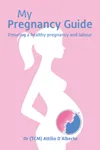
My Pregnancy Guide by Dr (TCM) Attilio D’Alberto is a comprehensive week-by-week guide to a healthy pregnancy and labour, based on over 750 peer-reviewed research studies and 25 years of clinical experience. It blends the latest evidence-based science with the proven theories of traditional Chinese medicine to give you everything you need for a confident, well-supported pregnancy and a positive birth experience.
The book covers pregnancy week by week, an optimal pregnancy diet and supplements, how to reduce your baby’s risk of developing autism, managing complications including gestational diabetes and pre-eclampsia, preparing for labour, pain relief options, acupuncture for labour induction, natural herbs to support birth, and postnatal recovery. Available in paperback, Kindle and ebook from Amazon, Waterstones and all major bookshops.
12. References
- Rolnik DL, et al. Aspirin versus placebo in pregnancies at high risk for preterm preeclampsia. N Engl J Med. 2017;377(7):613–622.
- Hofmeyr GJ, et al. Calcium supplementation during pregnancy for preventing hypertensive disorders and related problems. Cochrane Database Syst Rev. 2018;(10):CD001059.
- Duley L, et al. Antiplatelet agents for preventing pre-eclampsia and its complications. Cochrane Database Syst Rev. 2007;(2):CD004659.
- Sharma JB, et al. Role of lycopene in preventing pre-eclampsia. Int J Gynaecol Obstet. 2003;81(3):257–262.
- NICE Guideline NG133. Hypertension in pregnancy: diagnosis and management. 2019.















