


Preparing for Labour with Traditional Chinese Medicine
By Dr (TCM) Attilio D'Alberto | Traditional Chinese Medicine Practitioner, Wokingham
The final weeks of pregnancy are a period of profound physiological preparation — the cervix begins to soften and efface, the baby descends deeper into the pelvis, the ligaments of the pelvis relax under the influence of relaxin, and the hormonal cascade that will eventually trigger labour begins to build. Traditional Chinese medicine views this period as a vital preparation phase, one that can be actively supported to make labour shorter, more manageable, and less likely to require medical intervention.
Pre-birth acupuncture — a series of weekly treatments from 36 to 37 weeks — is the primary TCM intervention for labour preparation. Alongside acupuncture, herbal medicine, specific nutritional guidance, and attention to positioning and movement help create the optimal conditions for the onset and progress of labour. This page covers all aspects of TCM-informed preparation for birth.
On this page
- Pre-birth acupuncture from 36 weeks
- What pre-birth acupuncture involves
- Moxibustion for fetal positioning
- Chinese herbal medicine
- Raspberry leaf
- Nutrition in late pregnancy
- Fetal positioning and optimal baby position
- Movement and exercise
- Mental and emotional preparation
- Birth planning from a TCM perspective
- My Pregnancy Guide
- References
1. Pre-birth acupuncture from 36 weeks
Pre-birth acupuncture is a term coined by New Zealand midwife and acupuncturist Debra Betts to describe a series of weekly acupuncture treatments from 36–37 weeks of pregnancy with the specific aim of preparing the body for labour. The goals are:
- Cervical ripening — encouraging the effacement and softening of the cervix
- Optimal fetal positioning — helping babies who are posterior (back-to-back) or oblique to rotate into the optimal occiput-anterior position
- Pelvic preparation — releasing tension in the ligaments, muscles, and connective tissues of the pelvis and sacrum
- Calming the nervous system — reducing anxiety about birth, addressing insomnia, and preparing the mother emotionally for labour
- Reducing common late-pregnancy discomforts — backache, pelvic girdle pain, heartburn, oedema, and difficulty sleeping are all addressable with acupuncture at this stage
- Reducing the likelihood of post-dates pregnancy and medical induction
A landmark observational study by Betts and Lennox (2006) of 169 women receiving regular pre-birth acupuncture found a 35% reduction in medical inductions, a 31% reduction in emergency caesarean sections, and a 32% reduction in epidural use compared to the general obstetric population in the same unit. While this was observational rather than randomised, these findings have been corroborated by subsequent studies and align extensively with clinical experience.
2. What pre-birth acupuncture involves
Pre-birth acupuncture differs from standard fertility or pain management acupuncture in several important ways. The points used are specifically selected to:
- Soften and descend Qi (energy) — the downward, outward movement needed for labour
- Tonify the Kidney and Spleen to support the mother's stamina for labour
- Promote circulation in the uterine and pelvic vessels
- Calm the Shen (spirit/mind) to reduce labour fear
Points avoided in earlier pregnancy — particularly SP 6, LI 4, BL 32, and BL 60 — are introduced at 36–37 weeks as their labour-stimulating properties become beneficial rather than contraindicated. The treatment includes both needling and often moxibustion (see below).
Sessions typically last 40–60 minutes and are weekly from 36 weeks, with the option to increase to twice weekly from 39–40 weeks if cervical ripening is slow or the woman is approaching the point at which medical induction would be offered.
3. Moxibustion for fetal positioning
Moxibustion — the burning of dried moxa (artemisia/mugwort) over acupuncture points — is used from 33–35 weeks to encourage a breech baby to turn to the head-down position, and from 36 weeks to encourage an optimal cephalic position for labour. The primary point used is BL 67 (Zhiyin), on the outer corner of the little toenail.
The moxibustion technique for breech presentation involves heating BL 67 bilaterally for 15–20 minutes twice daily for 10 days. This is most effective between 33 and 36 weeks, before the baby becomes too large to turn freely. Multiple meta-analyses and systematic reviews have found a significantly higher version rate (turning from breech to cephalic presentation) in women using moxibustion compared to expectant management — rates of 65–75% version have been reported.
Moxibustion is generally well-tolerated and is a technique that can be taught to partners for home use. It is safe at the doses used for fetal positioning, though smoking or asthma in the household is a contraindication to indoor use (moxa sticks produce smoke). Smokeless moxa options are available.
4. Chinese herbal medicine
Chinese herbal prescriptions in late pregnancy are directed at the individual's constitution and presenting pattern, with particular attention to the following:
- Shu Jing Huo Xue Tang modifications: Relaxes the sinews and promotes Blood circulation — used when pelvic and lower back tension is creating discomfort and potentially impeding optimal fetal positioning.
- Gui Zhi Fu Ling Wan modifications: Improves uterine and pelvic blood flow — used in the preparatory phase particularly when Blood stasis signs are present.
- Tai Shan Pan Shi San (Sustain the Fetus Powder): A classical formula used in the third trimester to prevent preterm labour and miscarriage — tonifies Qi and Blood, secures the Kidney, and calms the fetus. Appropriate only under qualified supervision.
Herbal treatment in late pregnancy requires the involvement of a practitioner qualified in obstetric TCM — both to ensure appropriate formula selection and to avoid any herbs that are contraindicated in pregnancy.
5. Raspberry leaf
Raspberry leaf tea or tablets (Rubus idaeus) is traditionally recommended from 32–34 weeks of pregnancy to tone the uterine muscle. It is widely recommended by midwives and is one of the most commonly used herbal preparations in late pregnancy. The active constituents are thought to work on the smooth muscle of the uterus, improving the efficiency and coordination of contractions.
Evidence from clinical trials is limited but supportive — a study by Parsons et al. (2000) found that women taking raspberry leaf had shorter second stages of labour (the pushing phase) and lower rates of forceps delivery compared to controls. The preparation is generally considered safe from 32 weeks, though women with a history of very rapid previous labours, caesarean sections, placenta praevia, or pre-eclampsia should discuss it with their midwife first.
Start with a low dose (one cup of tea or one 400mg tablet daily) and increase gradually to two or three cups/tablets daily through the final weeks of pregnancy.
6. Nutrition in late pregnancy
Nutritional preparation for labour focuses on building stamina and Blood to support the significant demands of birthing:
- Iron: Blood loss during and after birth is significant. Ensuring optimal iron status (ferritin ideally above 70–80 mcg/L) before labour reduces the impact of blood loss and supports recovery. Have iron levels tested in the third trimester and supplement if low, using haem-iron rich foods (red meat, liver once per week in moderation, egg yolk) alongside vitamin C to maximise absorption.
- Date consumption: A well-publicised study (Al-Kuran et al., 2011) found that women who consumed six dates daily from 36 weeks had significantly higher cervical dilation on admission to hospital, higher rates of spontaneous labour, and shorter first stages compared to women who did not consume dates. Dates contain prostaglandin precursors and oxytocin-like compounds that may support cervical ripening and labour onset.
- Bone broth and collagen: Supporting the elasticity and nourishment of the perineal tissues and birth canal — collagen-rich foods (bone broth, slow-cooked meats, eggs) and vitamin C (which is required for collagen synthesis) support tissue strength.
- Hydration: Adequate hydration supports amniotic fluid levels, maintains energy, and reduces the risk of dehydration during labour. Coconut water provides electrolytes and is an excellent labour preparation and labour drink.
- Warm, nourishing foods: The TCM approach to late pregnancy emphasises warm, easily digestible, Blood-building foods — soups, stews, congees, eggs, meat, and root vegetables. Avoid cold, raw foods, ice-cold drinks, and foods that are hard to digest.
7. Fetal positioning and optimal baby position
The position of the baby during labour has a profound effect on its duration and comfort. The optimal position for labour is occiput-anterior (OA) — the baby's head down, back toward the mother's front, with the occiput (back of the head) toward the mother's pubic bone. In this position, the smallest diameter of the head presents to the cervix and pelvis, making dilation and descent most efficient.
A posterior baby (occiput-posterior, or OP — back of baby's head toward the mother's spine) creates back labour, a longer early labour, and is associated with higher rates of instrumental delivery. Approximately 20% of babies are posterior at the onset of labour; most rotate during active labour, but around 5% remain posterior for delivery.
Strategies for encouraging optimal positioning from 34 weeks include:
- Spending time on all-fours (hands and knees) — gravity encourages the baby's back (the heaviest part) to swing forward toward the mother's abdomen
- Sitting forward-leaning (on a birth ball, leaning over a table) rather than reclining
- Avoiding prolonged reclining on the sofa with legs elevated — this tips the pelvis backward and encourages posterior positioning
- Swimming breaststroke — promotes posterior rotation of the pelvis
- Moxibustion at BL 67 if baby is not yet cephalic at 33–35 weeks
- Acupuncture to release sacral tension and pelvic ligament tightness that may be restricting the baby's movement
8. Movement and exercise
Regular moderate movement throughout the third trimester supports fetal positioning, pelvic muscle readiness, cardiovascular fitness for labour, and psychological wellbeing. Walking, swimming, yoga for pregnancy, and aquanatal classes are all appropriate. Aim for 30 minutes of moderate activity daily, adapted as the pregnancy progresses.
Pelvic floor exercises (Kegel exercises) should be maintained throughout pregnancy and are important preparation for the pushing stage and postnatal recovery. However, in a small number of women with very hypertonic (tight) pelvic floors, excessive Kegels may not be helpful — a women's health physiotherapist can assess pelvic floor tone and advise appropriately.
9. Mental and emotional preparation
The psychological state of the labouring woman profoundly affects her physiological state. Fear activates the sympathetic nervous system, causes adrenaline release, suppresses oxytocin, and promotes uterine dysfunction — the "fear-tension-pain" cycle described by obstetrician Grantly Dick-Read. Conversely, a woman who feels safe, informed, and calm has optimal conditions for the progress of labour.
TCM addresses this directly through treatment of the Shen (spirit/mind). Acupuncture points such as HT 7, PC 6, and Yin Tang (the point between the eyebrows) calm anxiety, reduce rumination, and support restful sleep in late pregnancy. Herbal formulas such as Gui Pi Tang (Restore the Spleen Decoction) address the combination of Spleen Qi and Heart Blood deficiency that underlies much late-pregnancy anxiety and insomnia.
Additional preparation approaches include hypnobirthing, antenatal education (NCT or NHS classes), developing a birth plan that reflects informed preferences, visiting the birth venue, and discussing any specific fears or previous traumatic experiences with a midwife or counsellor before the birth.
10. Birth planning from a TCM perspective
A birth plan informed by TCM principles would typically include:
- Preference for upright, forward-leaning, or all-fours positions during labour (supports fetal descent and rotation)
- Warm bath or shower during early labour (warm water is deeply supportive of Kidney and uterine Qi in TCM terms)
- Birth partner trained in acupressure for labour pain relief (SP 6, LI 4, BL 32) — see acupressure points for labour
- Warm, calming environment — dim lighting, minimal noise, privacy (all support parasympathetic nervous system activation)
- Freedom to move, vocalise, and follow bodily instincts during labour
- Delayed cord clamping (allows transfer of placental blood to the newborn)
- Skin-to-skin contact immediately after birth (supports oxytocin release for bonding and lactation establishment)
11. My Pregnancy Guide
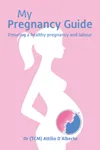
My Pregnancy Guide by Dr (TCM) Attilio D’Alberto is a comprehensive week-by-week guide to a healthy pregnancy and labour, based on over 750 peer-reviewed research studies and 25 years of clinical experience. It blends the latest evidence-based science with the proven theories of traditional Chinese medicine to give you everything you need for a confident, well-supported pregnancy and a positive birth experience.
The book covers pregnancy week by week, an optimal pregnancy diet and supplements, how to reduce your baby’s risk of developing autism, managing complications including gestational diabetes and pre-eclampsia, preparing for labour, pain relief options, acupuncture for labour induction, natural herbs to support birth, and postnatal recovery. Available in paperback, Kindle and ebook from Amazon, Waterstones and all major bookshops.
12. References
- Betts D, Lennox S. Acupuncture for prebirth treatment: an observational study. Med Acupunct. 2006;17(3).
- Al-Kuran O, et al. The effect of late pregnancy consumption of date fruit on labour and delivery. J Obstet Gynaecol. 2011;31(1):29–31.
- Neri I, et al. Acupuncture versus pharmacological approach to reduce hyperemesis gravidarum. J Matern Fetal Neonatal Med. 2005;18(1):7–12.
- Parsons M, et al. Raspberry leaf and its effect on labour: safety and efficacy. Aust Coll Midwives Inc J. 1999;12(3):20–25.
- Cardini F, Weixin H. Moxibustion for correction of breech presentation: a randomized controlled trial. JAMA. 1998;280(18):1580–1584.