


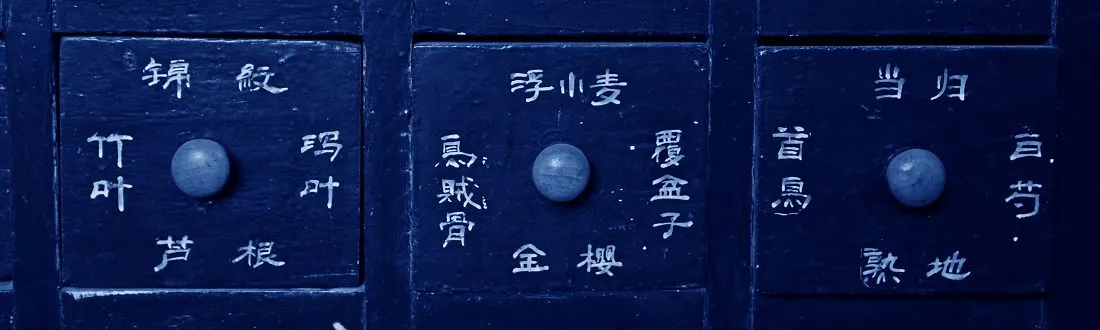
Dāng Guī (当归) — Chinese Angelica Root (Dong Quai)
Dang Gui (Angelica sinensis) — also known as Dong Quai or the “queen of women’s herbs” — is one of the most prescribed herbs in the entire Chinese pharmacopoeia. Its dual action of building AND moving blood makes it indispensable for menstrual irregularity, dysmenorrhoea, scanty periods, fertility support, postnatal recovery, blood-deficient anaemia and perimenopausal symptoms. It is the chief herb in Si Wu Tang, the foundation blood-nourishing formula, and appears in dozens of classical prescriptions.
On this page
- What is Dang Gui (Dong Quai)?
- Properties
- Actions and indications
- Active compounds
- Is Dang Gui really a “natural oestrogen”?
- Menstrual conditions
- Fertility uses
- Postnatal recovery
- Menopausal symptoms
- Blood-building uses
- Key Dang Gui formulas
- Modern research
- Incompatibilities
- Cautions and contraindications
- Treatment at my clinic
- Frequently asked questions about Dang Gui
1. What is Dang Gui (Dong Quai)?
Dāng Guī (当归) is the dried root of Angelica sinensis, native to China, Japan and Korea. The root is divided into three parts in classical practice — head (most blood-tonifying), body (balanced), and tails (most blood-moving) — though most modern preparations use the whole root. Known in English as Chinese angelica root or Dong Quai, it has been used continuously for over 2,000 years and is the principal women’s tonic in the Chinese tradition.
It belongs to the category of Blood tonics in the Chinese Materia Medica and is one of the most important and widely prescribed herbs in traditional Chinese medicine (TCM). I prescribe Dāng Guī as part of bespoke herbal formulas from pharmaceutical-grade granules sourced from Sun Ten in Taiwan. Online consultations are available for patients who cannot attend my clinic in person.
2. Properties
| Pinyin name | Dāng Guī |
|---|---|
| Chinese characters | 当归 |
| Latin name | Angelica sinensis |
| English name | Chinese angelica root / Dong Quai |
| Nature | Warm |
| Flavour | Sweet, acrid, slightly bitter |
| Channels entered | Heart, Liver, Spleen |
| Category | Blood tonics |
3. Actions and indications
Principal actions
- Tonifies Blood — for pale tongue, dizziness, palpitations, scant menses, anaemia
- Invigorates Blood and stops pain — for Blood stasis with pain, dysmenorrhoea, traumatic injury
- Regulates menstruation — for irregular, painful, scanty or amenorrhoeic periods
- Moistens the Intestines — for blood-deficient constipation, dry stools
- Disperses Cold and reduces swelling; generates flesh in chronic non-healing sores
The dual action of building AND moving blood is its most distinctive feature — unlike pure blood tonics like Shu Di Huang (which build but can be sticky), Dang Gui ensures the blood it generates also circulates properly. This makes it essential where Blood deficiency coexists with stagnation.
Indications
- Blood deficiency with pallor, dizziness, palpitations and blurred vision
- Irregular menstruation, dysmenorrhoea, amenorrhoea and post-partum pain
- Abdominal pain from Blood deficiency or Cold stagnation
- Constipation from Blood deficiency with dry Intestines
- Chronic non-healing sores and abscesses
- Numbness of the extremities from Blood deficiency
- Fertility — nourishes and moves Blood to support endometrial development and conception
4. Active compounds
- Ferulic acid — antioxidant, anti-inflammatory, mild oestrogen-receptor activity
- Z-ligustilide — antispasmodic, anti-inflammatory; a major active in the essential oil
- Polysaccharides — immune-modulating; promote red blood cell production
- Coumarins — anticoagulant effects (relevant to drug interactions)
- Vitamin B12 analogues — though human bioavailability is uncertain
- Iron, calcium, magnesium — at modest levels
5. Is Dang Gui really a “natural oestrogen”?
Not in any straightforward sense. Ferulic acid binds weakly to oestrogen receptors, and some studies suggest Dang Gui acts as a selective oestrogen receptor modulator (SERM) — oestrogen-like in some tissues and anti-oestrogenic in others. Importantly:
- Used alone in Western RCTs for menopause symptoms, Dang Gui has not consistently beaten placebo for hot flushes.
- Used as part of a traditional formula combination, outcomes are markedly better.
- Its main mechanisms are blood-building, anti-inflammatory and uterine-relaxing, not oestrogen-mimicking.
- For women with oestrogen-sensitive conditions (endometriosis, fibroids, hormone-sensitive cancers), use should be assessed by a qualified practitioner.
6. Menstrual conditions
Dang Gui is the most widely used herb for menstrual irregularity in Chinese medicine. Indications:
- Painful periods (dysmenorrhoea) — antispasmodic effect on uterine smooth muscle; used in Wen Jing Tang, Xiao Fu Zhu Yu Tang and many others
- Scanty or absent periods — blood-building action; used in Si Wu Tang, Ba Zhen Tang
- Late periods — moves blood to bring on delayed flow
- Irregular cycles — regulates by addressing the underlying blood deficiency or stasis pattern
- Endometriosis — combined with blood-moving herbs in Gui Zhi Fu Ling Wan and similar formulas
- Fibroids — blood-stasis pattern with masses
- PMS — particularly when blood deficiency contributes to anxiety and tearfulness
7. Fertility uses
- Improves uterine blood flow — relevant for thin endometrium and implantation failure
- Builds blood for endometrial development across the follicular phase
- Regulates the cycle — supports more reliable ovulation timing
- Used preconception as part of cycle-phase prescribing
- Stopped at positive pregnancy test in most cases due to blood-moving action; pregnancy-safe Dang Gui formulas (e.g., Dang Gui Bu Xue Tang variants) are sometimes continued under specialist guidance
8. Postnatal recovery
Dang Gui is the principal postnatal recovery herb in TCM. Used for:
- Replenishing blood lost during birth
- Promoting expulsion of lochia (post-birth uterine bleeding)
- Supporting uterine recovery
- Anaemia after birth
- Postnatal abdominal pain from blood stasis
- Postnatal constipation (its moistening effect on intestines)
Sheng Hua Tang (“Generation and Transformation Decoction”) with Dang Gui as principal herb is the classical postnatal formula given in the first 7–10 days after birth in Chinese practice.
9. Menopausal symptoms
Used alone, Dang Gui has mixed evidence for hot flushes. Used in combination — particularly with Shu Di Huang (Liu Wei Di Huang Wan-based formulas), Bai Shao, He Shou Wu, Mu Dan Pi — outcomes are consistently better. Particularly useful in perimenopause where blood deficiency overlaps with declining Yin. Less useful where the dominant picture is heat (hot flushes, night sweats) without a blood-deficient quality — in those cases the cooler Yin tonics (Zhi Bai Di Huang Wan) take precedence.
10. Blood-building uses
Dang Gui combined with Huang Qi (astragalus) in Dang Gui Bu Xue Tang (“Dang Gui Tonify Blood Decoction”) is the classical blood-building formula. Just two herbs in a 5:1 ratio of Huang Qi to Dang Gui. Modern research shows it raises haemoglobin, supports red blood cell production, modulates the immune system and protects against radiation-induced anaemia. Used for:
- Iron-deficiency anaemia (alongside iron supplementation)
- Anaemia of chronic disease
- Postnatal anaemia
- Recovery from heavy menstruation
- Recovery from chemotherapy
- Vegetarians with persistent low ferritin
11. Key Dang Gui formulas
- Si Wu Tang — Four Substances Decoction; the foundation blood-nourishing formula. Dang Gui is the chief herb.
- Ba Zhen Tang — Eight Treasure Decoction; combined Qi and Blood deficiency.
- Dang Gui Bu Xue Tang — just Huang Qi and Dang Gui; classical anaemia formula.
- Dang Gui Shao Yao San — for blood deficiency with damp; used in pregnancy under specialist guidance.
- Wen Jing Tang — Warm the Menses; cold uterus, dysmenorrhoea, blood deficiency.
- Xiao Yao San — Free and Easy Wanderer; Liver Qi stagnation with blood deficiency.
- Sheng Hua Tang — postnatal blood-moving formula.
- Tao Hong Si Wu Tang — Si Wu Tang plus Tao Ren and Hong Hua; for blood stasis.
- Bu Yang Huan Wu Tang — Qi deficiency with blood stasis; classical post-stroke formula.
- Gui Pi Tang — Heart and Spleen blood deficiency.
See the full Chinese herbal medicine formula directory.
12. Modern research
Angelica sinensis (Dang Gui) is one of the most extensively researched Chinese medicinal herbs. Its principal bioactive constituents include ferulic acid, Z-ligustilide, polysaccharides and phthalides. Research confirms that Dang Gui promotes haematopoiesis (red blood cell production), has uterine-stimulating and uterine-relaxing effects depending on dose and preparation, inhibits platelet aggregation, exerts anti-inflammatory and analgesic effects, and has mild phyto-oestrogenic activity. Clinical research supports its use in dysmenorrhoea, menopausal symptoms, anaemia and as a component in fertility formulas for improving endometrial thickness. Ferulic acid has documented antioxidant and neuroprotective effects.
13. Incompatibilities
Dāng Guī (当归) Chinese Angelica Root (Dong Quai) is not listed in either of the two classical incompatibility texts — Shi Ba Fan (Eighteen Antagonisms) or Shi Jiu Wei (Nineteen Mutual Inhibitions). As with every Chinese herb it should be prescribed only as part of a balanced formula by a registered Chinese herbalist (RCHM).
14. Cautions and contraindications
- Pregnancy — generally avoided because of blood-moving and uterine-stimulating effects. Pregnancy-safe Dang Gui formulas (e.g., Dang Gui Shao Yao San) are used under specialist guidance only.
- Heavy menstruation — its blood-moving action may worsen heavy flow; use cautiously and pause during menstruation if flow is excessive.
- Anticoagulants (warfarin, apixaban, rivaroxaban) and antiplatelets (aspirin, clopidogrel) — coumarins in Dang Gui can increase bleeding risk. Tell your prescriber.
- Surgery — stop 1–2 weeks before any planned surgery.
- Hormone-sensitive conditions — endometriosis, fibroids, hormone-sensitive cancers — assess with practitioner; the SERM-like activity isn’t simply oestrogenic but caution is sensible.
- Acute infection or fever — pause; tonifying herbs are generally avoided during acute illness.
- Diarrhoea or weak digestion — its moistening effect can worsen loose stools; pair with Spleen-strengthening herbs.
- Photosensitivity — rare; some patients may notice increased sun sensitivity.
Pattern contraindications
Use cautiously in Damp accumulation, Spleen Qi deficiency with loose stools or Phlegm-Damp patterns — Blood tonics are typically rich and can be hard for a weak digestion to process.
Modern drug interactions
Significant interactions: Dang Gui has coumarin constituents and documented anticoagulant activity that potentiates warfarin and increases bleeding risk. Tell your doctor if you take warfarin, DOACs, aspirin, clopidogrel or NSAIDs. Discontinue at least one week before planned surgery.
Important: Chinese herbs should always be prescribed by a fully qualified herbalist who is a member of the Register of Chinese Herbal Medicine (RCHM). Dr (TCM) Attilio D’Alberto is a member of the RCHM and the British Acupuncture Council with over 25 years of clinical experience.
15. Treatment at my clinic
I prescribe Dāng Guī as part of tailored herbal formulas for conditions including irregular menstrual cycle, fertility, thin endometrial lining, dysmenorrhoea, anaemia and fatigue and perimenopausal symptoms. Every prescription is individually formulated following a full TCM assessment.
Online Chinese herbal medicine consultations are available throughout the UK and internationally. Visit the prices page for consultation fees.
Return to the Chinese herb directory or the Chinese herbal medicine main page.
16. Frequently asked questions about Dang Gui
What is Dang Gui used for?
Dang Gui (Dong Quai) is used principally for menstrual irregularity, painful periods, scanty flow, blood-deficiency anaemia, postnatal recovery, perimenopausal symptoms and as a cornerstone in fertility prescribing. It builds and moves blood simultaneously.
Is Dang Gui really a natural oestrogen?
It has weak oestrogen-receptor activity and acts as a selective modulator (SERM-like) — not a straightforward oestrogen. Its main mechanisms are blood-building, anti-inflammatory and uterine-relaxing.
Can I take Dang Gui for hot flushes?
Used alone, evidence is mixed. Used as part of a tailored Chinese formula (e.g., modified Liu Wei Di Huang Wan with Dang Gui), outcomes are better.
Can I take Dang Gui when trying to conceive?
Yes — it’s a cornerstone fertility herb in TCM. Best used within a cycle-phase tailored formula by a practitioner. Stop or adjust at positive pregnancy test.
Is Dang Gui safe in pregnancy?
Generally avoided. Specific pregnancy-safe Dang Gui formulas exist (Dang Gui Shao Yao San) but should only be used under specialist supervision.
Can I take Dang Gui with warfarin or aspirin?
Caution required. Coumarins in Dang Gui can increase bleeding risk. Tell your prescriber and your acupuncturist if you take anticoagulants or antiplatelets.
Should I buy Dang Gui capsules off the shelf?
Generally no. Single-herb capsules rarely match tailored formula prescribing, and quality varies enormously. A practitioner consultation gives much better and safer results.
Prefer to be treated from home? Chinese herbal medicine online consultations are available throughout the UK and worldwide. After a full video consultation, Dr (TCM) Attilio D'Alberto formulates a bespoke herbal prescription and posts your Chinese herbs directly to your door.















