



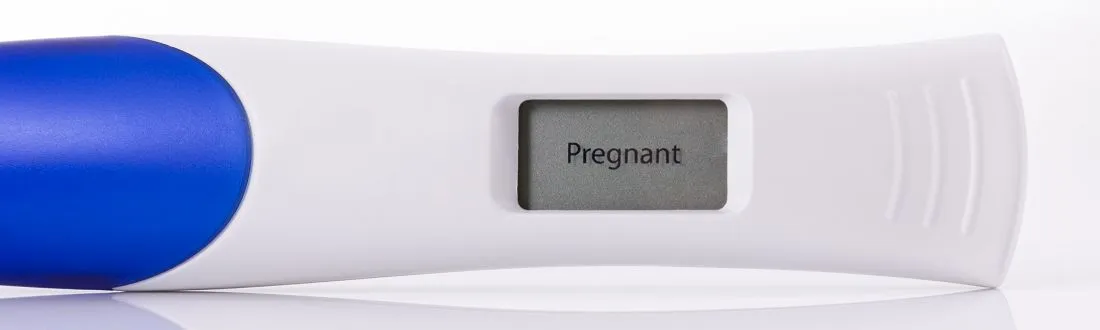


Endocrine Disruptors — How Plastics Harm Fertility
By Dr (TCM) Attilio D'Alberto | Traditional Chinese Medicine Practitioner, Wokingham, Berkshire
Endocrine disruptors (BPA, BPS, phthalates, PFAS, microplastics) mimic or block natural hormones and are one of the main contributors to the 50% global decline in sperm counts and the rise in PCOS, endometriosis, miscarriage and hormone-sensitive cancers. The single most impactful exposure reductions are: never microwave food in plastic, switch from plastic water bottles to glass or stainless steel, avoid receipts (thermal-paper BPA), use natural fragrance-free personal-care products, eat organic when affordable (the EWG "Dirty Dozen"), and filter tap water for PFAS. Support clearance with cruciferous vegetables (DIM), high-fibre foods, sweating exercise, and adequate liver-detox nutrients (folate, B12, sulphur amino acids, vitamin C). The 3 months before conception are the highest-leverage window for both partners.
Over the past fifty years, sperm counts in Western countries have fallen by more than 50%, the age of puberty has shifted earlier, and rates of miscarriage, PCOS, endometriosis and hormone-sensitive cancers have risen in parallel. No single cause explains all of this, but one of the most consistent contributors across the research literature is the class of chemicals known as endocrine disruptors — found in plastics, food packaging, personal care products and household items. Many of these chemicals mimic or block the body's own hormones, and accumulate with daily exposure over years. For anyone trying to conceive, preparing for IVF, pregnant, or simply wanting to protect long-term hormonal health, understanding endocrine disruptors and how to reduce exposure is one of the most practical steps you can take.
On this page
- What are endocrine disruptors?
- The main culprits — BPA, phthalates and microplastics
- How plastics affect female fertility
- How plastics affect male fertility
- Effects on pregnancy and the developing baby
- Where exposure comes from in everyday life
- Endocrine disruptors in a Chinese medicine context
- How to reduce your exposure
- Supporting the body's detoxification
- Frequently asked questions
What are endocrine disruptors?
Endocrine disruptors (also called endocrine-disrupting chemicals, or EDCs) are substances that interfere with the body's hormonal system. They do this in several ways: some mimic natural hormones and bind to hormone receptors in place of them; others block receptors so that the body's own hormones cannot activate them; others interfere with how hormones are made, transported, broken down or eliminated. The net effect is a disruption of the delicate feedback loops that govern reproduction, growth, metabolism, mood, and sleep.
The chemicals most closely studied as endocrine disruptors include:
- Bisphenol A (BPA) and its substitutes BPS and BPF — used to make hard polycarbonate plastics and the linings of tin cans, till receipts, and some dental sealants
- Phthalates — softeners used in flexible plastics, vinyl, fragrances, cosmetics, nail polish, and plastic food packaging
- PFAS ("forever chemicals") — used in non-stick cookware, stain-resistant fabrics, food packaging, and firefighting foam
- Parabens — preservatives in cosmetics, shampoos, deodorants, and some foods
- Triclosan — an antibacterial agent in soaps, toothpaste, and some cleaning products
- Pesticides including glyphosate, atrazine and organochlorines
- Flame retardants used in furniture, mattresses, and electronics
This page focuses on the plastic-derived EDCs — BPA, phthalates and microplastics — because they are the most pervasive, the most studied in relation to fertility, and the most easily reduced through practical daily choices.
The main culprits — BPA, phthalates and microplastics
Bisphenol A (BPA) is the best-known endocrine disruptor. Introduced in the 1950s, it is used to make hard clear polycarbonate plastic (drinking bottles, food storage containers, kitchen utensils) and the epoxy resin that lines most tin cans. BPA is a xenoestrogen — it binds to oestrogen receptors and activates them in a weaker but persistent way. The effect is like having an unwanted extra dose of oestrogen, with knock-on consequences for every hormonally-sensitive tissue: ovaries, testes, uterus, breast, thyroid, and the developing brain. Detectable BPA levels are found in over 90% of people tested in Europe and North America. BPA's substitutes BPS and BPF were introduced as safer alternatives but have since been shown to have similar hormonal effects.
Phthalates are a group of chemicals added to plastic to make it soft and flexible — plastic cling film, vinyl flooring, shower curtains, medical tubing, food packaging, children's toys. They are also added to personal care products as fragrance carriers (under the generic label "parfum" or "fragrance"). Phthalates are not xenoestrogens; they act primarily as anti-androgens, meaning they reduce the effect of testosterone. Phthalates are strongly associated with reduced sperm count, shorter anogenital distance in male babies, delayed puberty in boys, and disrupted luteal phase in women. Because they are added rather than chemically bonded, phthalates leach continuously from plastic into food, air, and skin contact.
Microplastics and nanoplastics are fragments of plastic under 5mm (microplastics) or under 1 µm (nanoplastics) that result from the breakdown of larger plastic items. Over the past decade, microplastics have been detected in tap water, bottled water, table salt, fish, meat, human blood, placenta, breast milk, and — as shown in 2024 research — in human testicular tissue and semen. The full reproductive consequences are still being mapped, but early evidence suggests microplastics both transport other EDCs into tissues (acting as vehicles) and cause direct inflammatory and oxidative damage.
How plastics affect female fertility
The female reproductive system is particularly vulnerable to endocrine disruptors because egg quality, cycle regulation and uterine receptivity all depend on precise hormonal signalling. BPA and phthalates have been shown to affect female fertility through multiple mechanisms:
- Reduced egg quality and ovarian reserve — BPA accelerates follicle depletion and impairs meiotic spindle formation in oocytes, reducing the proportion of chromosomally normal eggs. Women with higher urinary BPA levels undergoing IVF produce fewer mature eggs and have lower fertilisation rates. This relates directly to concerns around egg quality for IVF and low AMH.
- Disrupted menstrual cycles — EDCs interfere with the hypothalamic-pituitary-ovarian axis, producing the pattern of irregular cycles, delayed ovulation and anovulation seen clinically with rising frequency in younger women.
- Worsened PCOS — women with PCOS have measurably higher circulating BPA levels than controls, and BPA appears to both exacerbate insulin resistance and contribute to the hormonal picture of PCOS.
- Endometriosis — multiple studies have found associations between higher phthalate levels and endometriosis, with the proposed mechanism being EDC-driven inflammation and immune dysregulation.
- Impaired implantation — BPA reduces endometrial receptivity markers, potentially contributing to unexplained implantation failure and early pregnancy loss.
- Earlier menopause — women with higher lifetime EDC exposure reach menopause approximately 1–2 years earlier on average, suggesting accelerated ovarian ageing.
How plastics affect male fertility
The male reproductive system is, if anything, even more sensitive to endocrine disruptors than the female. Sperm production is an ongoing process requiring precise testosterone signalling, an intact blood-testis barrier and low oxidative stress — all of which EDCs disrupt. Over the last fifty years sperm counts in Western men have dropped by more than 50%, and endocrine disruptors are widely implicated.
- Reduced sperm count — phthalates in particular are strongly associated with low sperm count. Men in the highest quartile of urinary phthalate levels have sperm concentrations 20–30% lower than men in the lowest quartile.
- Poorer sperm motility and morphology — BPA and phthalates impair the structural proteins and energy metabolism sperm need to swim and to achieve the right shape. This is particularly relevant to sperm morphology and to sperm volume.
- Increased sperm DNA fragmentation — EDCs generate oxidative stress in the testes, which directly damages sperm DNA. High sperm DNA fragmentation is one of the most under-investigated causes of recurrent miscarriage and IVF failure, and environmental chemicals are a major driver.
- Lower testosterone — chronic phthalate exposure is associated with reduced testosterone levels, feeding into the wider pattern of andropause and age-related hormonal decline.
- Erectile dysfunction — higher urinary BPA levels are associated with significantly higher rates of erectile dysfunction, independent of age and other risk factors.
- Microplastics in testes and semen — 2024 research detected microplastics in all testicular tissue samples tested and in the majority of semen samples, with an inverse correlation between plastic concentration and sperm count. The long-term implications are still being studied.
Effects on pregnancy and the developing baby
Endocrine disruptors cross the placenta. Babies are therefore exposed in utero, during a period when hormonal signalling shapes organ development in ways that have lifelong consequences. The research on EDCs in pregnancy is particularly concerning:
- Increased miscarriage risk — BPA has been associated with higher rates of miscarriage, both spontaneous and recurrent
- Preterm birth — higher maternal phthalate levels are associated with earlier gestational delivery
- Reduced birth weight — phthalate exposure in pregnancy is associated with lower birth weights and small-for-gestational-age babies
- Impaired male genital development — boys exposed to high phthalate levels in utero show reduced anogenital distance, a marker of androgen signalling disruption, and increased rates of cryptorchidism and hypospadias
- Earlier puberty in girls — prenatal and early-childhood BPA exposure is associated with earlier onset of menstruation by approximately 4–10 months
- Neurodevelopmental effects — BPA and phthalates cross the developing blood-brain barrier and are associated with attention and behavioural differences in children exposed in utero
These findings do not mean that any exposure guarantees harm — most babies exposed to typical levels develop normally. But they do explain why, during pregnancy and the preconception period, reducing EDC exposure is one of the most important and most often-overlooked interventions a couple can make.
Where exposure comes from in everyday life
Awareness of EDCs is increasing, but many people are surprised by the everyday sources of exposure. The main ones are:
- Tinned food — most tins are lined with BPA-based epoxy resin, and acidic foods (tomatoes, tinned fruit) leach it readily
- Plastic water bottles — particularly when left in the sun, warmed or reused repeatedly
- Plastic food containers and cling film — leaching accelerates dramatically with heat and fatty foods
- Microwaving food in plastic — high temperatures drive substantial leaching even from "microwave-safe" plastic
- Till receipts — thermal paper is coated with BPA or BPS that transfers to skin on handling
- Takeaway containers — hot food in plastic is one of the highest-leaching scenarios
- Non-stick cookware — particularly older PFOA-based coatings; when scratched or overheated, they release PFAS chemicals
- Cosmetics, shampoo, moisturisers — phthalates (hidden as "parfum" or "fragrance"), parabens and other EDCs are present in most conventional products
- Perfumes, deodorants and air fresheners — fragrance chemicals routinely contain phthalates
- Nail varnish — a significant phthalate source
- New car interiors, new furniture — the "new smell" is largely phthalate off-gassing
- Dust in the home — flame retardants, phthalates and EDCs accumulate in household dust
- Conventionally grown produce — pesticide residues include EDC-class chemicals
Endocrine disruptors in a Chinese medicine context
Chinese medicine does not have a direct historical parallel to modern endocrine disruptors — these chemicals are entirely a product of the twentieth and twenty-first centuries. But the framework of TCM offers a useful way to understand the patterns they produce in the body and why some people are more affected than others.
From a TCM view, endocrine disruptors tend to produce three overlapping pattern presentations:
- Liver Qi stagnation with Liver Blood deficiency — the Liver in Chinese medicine is responsible for the smooth flow of Qi, the regulation of the menstrual cycle and the detoxification of substances the body needs to clear. Sustained EDC exposure overloads the Liver's detoxification capacity, producing the picture clinicians increasingly see in the clinic: PMS, irregular cycles, breast tenderness, emotional volatility, migraines, fibroids and oestrogen-dominance symptoms.
- Kidney Jing depletion — Kidney Jing (essence) is the deepest level of reproductive and constitutional vitality in TCM. Chemicals that directly damage the germ cells — eggs, sperm, and the developing foetus — affect what TCM would recognise as Jing. The pattern of accelerated ovarian ageing, declining sperm parameters and reduced fertility at younger ages than historical norms aligns with premature Jing depletion.
- Phlegm-Damp accumulation — the body accumulates what it cannot clear. EDCs are lipophilic (fat-soluble) and accumulate in body fat. In TCM terms, this manifests as Phlegm-Damp obstruction — metabolic sluggishness, stubborn weight gain, PCOS, cysts, fibroids, and endometriosis — all conditions that have risen in parallel with EDC exposure.
Classical herbal formulas that support Liver detoxification (Xiao Yao San, Chai Hu Shu Gan Tang), nourish Kidney Jing (Zuo Gui Wan, You Gui Wan) and resolve Phlegm-Damp (Wen Dan Tang, Er Chen Tang) remain clinically relevant for modern patients whose pattern presentation is influenced by environmental chemical exposure. Acupuncture supports detoxification by improving Liver function, regulating the HPA axis, and reducing oxidative stress — the downstream biological consequence of chemical exposure.
How to reduce your exposure
You cannot eliminate EDC exposure entirely in the modern world. But you can substantially reduce it with a short list of sustainable changes. The changes below are ordered by impact — the first few produce the biggest reductions in measured urinary EDC levels:
- Stop microwaving food in plastic — transfer to glass or ceramic before microwaving. This is the single highest-impact change, because heat plus plastic plus food is the worst-case leaching scenario.
- Switch to glass or stainless steel water bottles and food storage — particularly for hot foods, acidic foods (tomatoes, citrus) and fatty foods (leftovers with oils or butter)
- Reduce tinned food consumption — prefer fresh or frozen where possible. For tins you do buy, look for "BPA-free" linings (though these may contain BPS).
- Avoid cling film contact with food — use beeswax wraps, reusable silicone lids, or glass containers with lids
- Cook from fresh ingredients — ultra-processed food has far more plastic contact through its supply chain than home-cooked food from raw ingredients
- Avoid takeaway food in plastic containers — or decant immediately into glass when you bring it home. Pizza boxes and cardboard are far lower-EDC than plastic.
- Refuse till receipts — or handle briefly and wash hands. If you must keep them, keep them in a separate compartment not touching other items.
- Switch to phthalate-free cosmetics and personal care — look for brands labelled "phthalate-free" and avoid ingredients lists with "parfum" or "fragrance." Well-established clean brands are increasingly available in UK supermarkets.
- Avoid synthetic fragrances — perfumes, air fresheners, scented candles, fabric softeners. These are among the highest-concentration phthalate sources. Beeswax candles and essential oils are cleaner alternatives.
- Replace non-stick cookware gradually — stainless steel, cast iron, or ceramic non-stick (not PTFE-based) are better choices, particularly for heavy daily use
- Filter tap water — a carbon-block filter removes many organic EDCs and pesticides from tap water
- Buy organic for the "dirty dozen" — strawberries, spinach, kale, grapes, peaches, apples, pears, tomatoes, celery, potatoes. These carry the highest pesticide residues.
- Reduce plastic toys and flooring at home if pregnant or preparing to conceive — prioritise wood, natural fibres, and solid flooring over PVC
- Vacuum and damp-dust regularly — household dust is a significant EDC reservoir
- Air out new cars, new furniture and new mattresses — the "new smell" is largely phthalate off-gassing. Ventilate thoroughly for the first weeks.
Research has shown that implementing even a subset of these measures — particularly steps 1 to 5 — reduces urinary BPA and phthalate levels by 50–70% within weeks. The body can clear what is no longer being added.
Supporting the body's detoxification
Alongside reducing exposure, it helps to support the body's own capacity to clear existing EDC burden. The liver is the primary organ of chemical detoxification, and several approaches support its function:
- Cruciferous vegetables — broccoli, cauliflower, kale, Brussels sprouts, cabbage contain indole-3-carbinol and sulforaphane, which support liver Phase I and Phase II detoxification pathways specifically for xenoestrogens
- Adequate fibre — bile-bound toxins are excreted via the stool; adequate fibre prevents reabsorption. Ground flaxseed, oats, pulses, and vegetables are key.
- Hydration — kidney clearance of water-soluble EDCs depends on adequate fluid intake
- Sweating regularly — exercise-induced and sauna-induced sweating has been shown to clear some EDCs, particularly BPA and phthalate metabolites
- Glutathione support — the body's master detoxification molecule. Supported by N-acetyl cysteine (NAC), whey protein, and sulphur-rich foods (garlic, onion, eggs).
- B vitamins — methylation, one of the key liver detoxification pathways, depends on B12, folate, B6 and choline
- Antioxidants — vitamin C, vitamin E, selenium and zinc reduce the oxidative damage that EDCs cause
- Chinese herbal medicine — Liver-supportive formulas such as Xiao Yao San and Chai Hu Shu Gan Tang are particularly well-suited to the patterns produced by chronic chemical exposure. Dandelion root and milk thistle both have research evidence for supporting liver detoxification.
- Acupuncture — regular acupuncture reduces systemic oxidative stress and supports Liver function in TCM terms, helping the body clear accumulated burden
Frequently asked questions
How long does it take to reduce my body burden of EDCs?
BPA has a short half-life in the body (around 6 hours), so urinary levels drop rapidly once exposure is reduced — often within days to weeks. Phthalates similarly clear relatively quickly. PFAS and some other persistent chemicals take years to clear. The practical implication: reducing exposure now has immediate benefits for the most studied plastic EDCs, and changes implemented 3 to 6 months before a planned conception attempt give the body time to clear significant burden before the egg or sperm involved in conception is matured.
Are "BPA-free" plastics safe?
Not necessarily. Most "BPA-free" plastics contain BPS or BPF, which have been shown in research to have similar endocrine-disrupting effects. "BPA-free" is not a guarantee of hormonal safety. Glass and stainless steel are the safest alternatives.
Is this just scaremongering? Plastic has been around for decades.
The research on EDCs is now extensive and drawn from mainstream science — not fringe sources. The US Endocrine Society, the European Society of Human Reproduction and Embryology (ESHRE), the American Chemical Society, and the European Environment Agency all recognise EDCs as significant public health concerns. The difference is simply that the scientific understanding has advanced: chemicals assumed safe at introduction (BPA in the 1950s, phthalates in the 1930s) have been shown over subsequent decades to have subtle hormonal effects that only become visible at the population scale.
Do I need to make all these changes at once?
No. The point is sustainable reduction, not perfection. The single biggest changes — not microwaving in plastic, switching from plastic to glass water bottles, and reducing synthetic fragrances — produce the majority of the benefit. Build from there at your own pace. Small consistent changes are more valuable than a brief period of extreme effort.
What about plastic toys for children?
UK and EU regulations ban the worst phthalates from children's toys, but not all plastic softeners are regulated. For babies and young children, wood, silicone (which is chemically distinct from plastic and much more stable) and natural fibre toys are cleaner choices where practical, particularly for items that go in the mouth.
Should I worry about plastic in my IVF clinic or during pregnancy scans?
Plastic exposure from single clinical procedures is low and transient. The research concern is chronic everyday exposure over months and years, not occasional medical use. Do not let worry about this drive decisions about needed medical care.
Does Chinese medicine have anything to offer for EDC burden?
Yes. Liver-supporting, Jing-nourishing and Phlegm-Damp-resolving formulas are clinically well-suited to the patterns commonly seen in people with significant EDC exposure. Acupuncture reduces oxidative stress and supports HPA and Liver function. Combined with dietary changes and exposure reduction, TCM provides a coherent framework for addressing both the burden and the patterns it creates.
How does this link to fertility treatment?
Reducing EDC exposure is one of the most under-used fertility interventions available. It is inexpensive, accessible, and supported by research evidence across both male and female fertility. For couples preparing for IVF, starting an EDC-reduction programme 3–6 months before the cycle, alongside acupuncture and Chinese herbal medicine, is an evidence-informed way to maximise the quality of the eggs and sperm that will be involved.
To discuss fertility, pregnancy support, or the role of environmental factors in your situation, contact me or book a consultation at my Wokingham, Berkshire clinic.
Related pages
- Environmental toxins and fertility — the broader picture: plastics, BPA, air pollution, heavy metals (Cd, Pb, Hg), EMWs and medications.
- Prepping your body for fertility — sleep, exercise, clothing and lifestyle.
- Stress and fertility — the mind and emotions.
← Fertility advice | Back to blog
My Fertility Guide

My Fertility Guide by Dr (TCM) Attilio D’Alberto is a comprehensive, evidence-based guide to natural conception, based on over 350 peer-reviewed research studies and 25 years of clinical experience. It blends cutting-edge science with the proven theories of traditional Chinese medicine to give you a complete, practical and easy-to-understand resource for improving your fertility.
The book covers the menstrual cycle and how to identify your fertile window, how to improve egg quality and sperm quality, optimising your diet, lifestyle and environment for conception, evidence-based supplements for both men and women, the most common fertility conditions including PCOS, endometriosis and low AMH, and the role of acupuncture and Chinese herbal medicine in improving fertility outcomes. Available in paperback, Kindle and ebook from Amazon, Waterstones and all major bookshops.
Once you conceive — My Pregnancy Guide by Dr (TCM) Attilio D’Alberto is the companion week-by-week guide to a healthy pregnancy and labour, combining evidence-based medicine with traditional Chinese medicine.
How long until Endocrine Disruptors & Fertility improves with TCM treatment?
Most patients with Endocrine Disruptors & Fertility notice meaningful improvement within 4–6 weeks of weekly acupuncture combined with Chinese herbal medicine as a complementary therapy alongside conventional care. Substantial improvement typically develops over 8–12 weeks. Always consult your doctor for any new or persistent symptoms; TCM treatment runs alongside, not instead of, your conventional medical care.















