



Endometriosis vs PCOS — What's the Difference?
By Dr (TCM) Attilio D'Alberto | Traditional Chinese Medicine Practitioner, Wokingham
This article focuses on comparing endometriosis and PCOS as distinct conditions. For background and treatment, see endometriosis treatment and PCOS treatment.
Endometriosis and PCOS (polycystic ovary syndrome) are the two most common gynaecological conditions affecting women of reproductive age, and they are frequently confused with one another. Both can cause cycle irregularity and difficulty conceiving, but they are fundamentally different in their nature, their hormonal profiles, and how they are treated — in both conventional and traditional Chinese medicine. Understanding which condition you have is essential for choosing the right approach.
What Is Endometriosis?
Endometriosis is a condition in which tissue resembling the endometrium (the uterine lining) grows outside the uterus — most commonly on the ovaries, fallopian tubes, and pelvic peritoneum. Like the uterine lining, this tissue responds to the hormonal cycle — it thickens and bleeds with each period. Because the blood has nowhere to go, it causes inflammation, scarring, and adhesions over time. Endometriosis affects approximately 1 in 10 women of reproductive age and is significantly underdiagnosed — the average time from symptom onset to diagnosis is seven to ten years.
Key symptoms of endometriosis
- Severe menstrual pain (dysmenorrhoea) — often disabling
- Pelvic pain outside of menstruation
- Pain during or after sex (dyspareunia)
- Heavy or irregular periods
- Painful bowel movements or urination around menstruation
- Fatigue
- Difficulty conceiving
What Is PCOS?
PCOS is a hormonal and metabolic disorder characterised by a combination of irregular or absent ovulation, elevated androgens (male hormones), and polycystic ovarian morphology on ultrasound. Diagnosis requires at least two of these three features (the Rotterdam criteria). PCOS is the most common cause of anovulatory infertility and affects approximately 1 in 5–10 women, though many are undiagnosed. It is strongly associated with insulin resistance, which drives the androgen excess and disrupts the hormonal signals needed for regular ovulation.
Key symptoms of PCOS
- Irregular, infrequent, or absent periods
- Acne, particularly on the jaw, chin, and back
- Excess facial or body hair (hirsutism)
- Hair thinning or loss from the scalp
- Weight gain, particularly around the abdomen
- Difficulty losing weight
- Difficulty conceiving due to irregular or absent ovulation
Key Differences
Endometriosis is primarily a condition of blood stasis and inflammation — pain is the cardinal feature. PCOS is primarily a condition of hormonal and metabolic dysregulation — irregular cycles and androgen excess are the cardinal features. A woman with endometriosis typically has regular (or even frequent) cycles with severe pain; a woman with PCOS typically has infrequent or absent periods with little pain. Some women have both conditions, which compounds the fertility challenge.
TCM View of Endometriosis
In traditional Chinese medicine, endometriosis is understood as blood stasis — a failure of the blood to move and clear properly, leading to its accumulation in the pelvis. The underlying causes most commonly involve liver qi stagnation (emotional stress or constitutional liver weakness), cold in the uterus (which causes blood to congeal), or kidney deficiency (insufficient energy to move the blood in the lower burner). Treatment focuses on moving blood and resolving stasis, warming the uterus where cold is a factor, and addressing the underlying deficiency. Formulas such as Gui Zhi Fu Ling Wan and modifications of Shao Fu Zhu Yu Tang are among the most commonly used.
TCM View of PCOS
PCOS in TCM is most commonly a pattern of kidney yang deficiency with phlegm-dampness obstructing the ovaries. The kidneys lack the warming energy to drive ovulation, and the spleen — often weakened by a diet high in refined carbohydrates and sugar — produces phlegm and dampness that collects in the lower burner and physically obstructs the ovaries. Treatment therefore focuses on tonifying kidney yang, strengthening the spleen, and resolving phlegm-dampness. Acupuncture is particularly effective at stimulating ovulation in PCOS, and herbal medicine addresses the metabolic component of the condition alongside dietary changes.
Fertility Implications
Both conditions can affect fertility, but through different mechanisms. Endometriosis reduces fertility through inflammation, adhesions, and immune dysfunction affecting implantation. PCOS reduces fertility primarily through anovulation — the absence of ovulation means there is no egg to fertilise. Both respond well to TCM treatment, though the approach is quite different and it is important to distinguish which pattern is present before designing a treatment plan.
For a full assessment and tailored treatment plan, contact me or book a consultation at my Wokingham clinic.
← Endometriosis | ← PCOS | Back to blog
My Fertility Guide
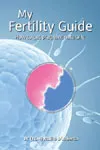
My Fertility Guide by Dr (TCM) Attilio D’Alberto is a comprehensive, evidence-based guide to natural conception, based on over 350 peer-reviewed research studies and 25 years of clinical experience. It blends cutting-edge science with the proven theories of traditional Chinese medicine to give you a complete, practical and easy-to-understand resource for improving your fertility.
The book covers the menstrual cycle and how to identify your fertile window, how to improve egg quality and sperm quality, optimising your diet, lifestyle and environment for conception, evidence-based supplements for both men and women, the most common fertility conditions including PCOS, endometriosis and low AMH, and the role of acupuncture and Chinese herbal medicine in improving fertility outcomes. Available in paperback, Kindle and ebook from Amazon, Waterstones and all major bookshops.
Once you conceive — My Pregnancy Guide by Dr (TCM) Attilio D’Alberto is the companion week-by-week guide to a healthy pregnancy and labour, combining evidence-based medicine with traditional Chinese medicine.















