



Endometriosis - Wokingham, Berkshire
I see patients with endometriosis at my Wokingham, Berkshire clinic using a combined approach of acupuncture, Chinese herbal medicine and lifestyle advice tailored to the underlying TCM pattern driving the condition. Patients across Berkshire — Reading, Henley-on-Thames, Maidenhead, Bracknell, Crowthorne, Twyford and the wider Thames Valley — come to the clinic for evidence-based endometriosis treatment with 25+ years of clinical experience.
On this page
- What is endometriosis?
- Symptoms of endometriosis
- Stages of endometriosis
- How is endometriosis diagnosed?
- What causes endometriosis?
- Endometriosis in traditional Chinese medicine
- Acupuncture for endometriosis
- Chinese herbal medicine for endometriosis
- Endometriosis and fertility
- Diet and lifestyle for endometriosis
- Research into acupuncture for endometriosis
- Commonly asked questions about endometriosis
- My Fertility Guide
- References
1. What is endometriosis?
Endometriosis is a chronic inflammatory condition in which tissue similar to the endometrium — the lining of the uterus — grows outside the uterus in locations where it does not belong. This misplaced tissue most commonly affects the ovaries, fallopian tubes, pelvic peritoneum and the space between the uterus and rectum (the pouch of Douglas), though it can in rare cases affect more distant sites including the bowel, bladder, diaphragm and lungs.
Like the normal uterine lining, endometrial deposits respond to the hormonal changes of the menstrual cycle — proliferating under the influence of oestrogen and breaking down during menstruation. However, unlike the normal endometrium, the blood and tissue from these deposits has nowhere to go. It cannot leave the body through the cervix as normal menstrual blood does, and instead accumulates in the pelvic cavity, causing localised inflammation, the formation of adhesions (scar tissue) and, over time, the development of endometriomas (ovarian cysts containing old blood, sometimes called "chocolate cysts").
Endometriosis affects approximately one in ten women of reproductive age in the UK — around 1.5 million women. Despite this prevalence, the average time from the onset of symptoms to diagnosis is still seven to eight years, largely because symptoms are often dismissed as normal period pain and because the condition can only be definitively confirmed by surgery. It is one of the most common causes of pelvic pain in women and a significant contributor to female infertility, accounting for 30–50% of all infertility cases.
I have extensive experience in seeing patients with endometriosis using acupuncture and Chinese herbal medicine, helping patients to reduce pain, regulate their menstrual cycle and improve their fertility. I practise at clinics in Wokingham, Berkshire and offer online herbal consultations for patients who cannot attend in person.
2. Symptoms of endometriosis
The symptoms of endometriosis vary widely between women. Some women with extensive endometriosis have minimal symptoms, while others with small deposits experience severe, debilitating pain. The most common symptoms include:
- Dysmenorrhoea (painful periods) — often severe cramping pain beginning one to two days before the period and continuing throughout menstruation. This pain is frequently much worse than normal period pain and may not respond adequately to over-the-counter painkillers
- Pelvic pain — chronic, persistent pelvic pain that may be present throughout the cycle and not limited to menstruation
- Deep dyspareunia (painful intercourse) — pain during or after sexual intercourse, particularly with deep penetration, due to endometrial deposits in the pouch of Douglas or on the uterosacral ligaments
- Cyclical bowel symptoms — pain on defecation, diarrhoea, constipation or rectal bleeding that worsens around menstruation, caused by endometrial deposits on or near the bowel
- Cyclical urinary symptoms — pain on urination or blood in the urine around menstruation, caused by bladder involvement
- Lower back pain — particularly premenstrually and during menstruation
- Ovulation pain — sharp or aching pain at mid-cycle, which may be more pronounced with endometriosis than in women without the condition
- Fatigue — chronic exhaustion that can be severe and disabling, particularly in the days before and during menstruation
- Heavy or irregular bleeding — including spotting before the period, heavy flow and clotting
- Infertility — difficulty conceiving, which may be the first or only presenting symptom in some women
- Premenstrual symptoms — bloating, breast tenderness, mood changes and anxiety in the days before menstruation
It is important to recognise that severe period pain is not normal. While mild discomfort during menstruation is common and generally not a cause for concern, pain that significantly disrupts daily life, requires strong painkillers or is progressively worsening warrants investigation.
3. Stages of endometriosis
Endometriosis is classified into four stages by the American Society for Reproductive Medicine (ASRM), based on the extent, location and depth of the endometrial deposits and the presence of adhesions and endometriomas:
- Stage I (Minimal) — small, superficial implants on the surface of the pelvic peritoneum or ovaries, with no significant adhesions. Little impact on fertility, though pelvic pain can still be significant.
- Stage II (Mild) — more implants, slightly deeper, still relatively superficial. Some minor adhesions may be present. Moderate impact on fertility.
- Stage III (Moderate) — multiple deep implants, small endometriomas on one or both ovaries, and more extensive adhesions. Significant impact on fertility, particularly if the fallopian tubes are involved.
- Stage IV (Severe) — many deep implants, large endometriomas on one or both ovaries, extensive adhesions involving the ovaries, fallopian tubes, bowel and other pelvic organs. Severe impact on fertility. This is the most advanced stage and the most difficult to treat surgically.
It is important to note that the stage of endometriosis does not reliably predict the severity of symptoms. Women with Stage I or II endometriosis can experience severe pain, while some women with Stage IV have relatively mild symptoms. The stage does, however, give a useful indication of the likely impact on fertility and the complexity of treatment required.
4. How is endometriosis diagnosed?
Endometriosis can only be definitively diagnosed through surgery — specifically laparoscopy (keyhole surgery), in which a camera is passed through a small incision in the abdomen to directly visualise the pelvic organs and identify endometrial deposits. A biopsy of the tissue is taken to confirm the diagnosis histologically. Laparotomy (open abdominal surgery) is rarely needed for diagnosis but may be required for treatment of severe disease.
Non-invasive investigations including pelvic ultrasound and MRI can identify endometriomas and some deep endometrial deposits, but cannot reliably detect smaller or superficial implants. A normal ultrasound or MRI does not exclude endometriosis — a negative scan result does not mean a woman does not have the condition.
The CA-125 blood test (a marker of ovarian activity) is elevated in some women with endometriosis but is not specific or sensitive enough to be used as a standalone diagnostic tool. It is more commonly used to monitor disease progression after diagnosis rather than as an initial screening test.
Because of the surgical requirement for definitive diagnosis, many women live with undiagnosed endometriosis for years. If your symptoms suggest endometriosis — particularly severe period pain, deep pain during intercourse, cyclical bowel or urinary symptoms or unexplained infertility — it is important to advocate clearly with your doctor for a referral to a gynaecologist with specialist endometriosis expertise.
5. What causes endometriosis?
The precise cause of endometriosis remains incompletely understood in western medicine. Several theories have been proposed, and it is likely that the condition arises from a combination of factors rather than a single cause:
- Retrograde menstruation — the most widely accepted theory. During menstruation, some endometrial cells flow backwards through the fallopian tubes into the pelvic cavity rather than leaving the body through the cervix. In most women, the immune system clears these cells; in women with endometriosis, they implant and grow.
- Immune dysfunction — a growing body of evidence suggests that impaired immune surveillance plays a central role. In women with endometriosis, the immune system fails to recognise and destroy the misplaced endometrial cells, allowing them to implant and proliferate.
- Hormonal factors — endometriosis is an oestrogen-dependent condition. High levels of oestrogen or increased sensitivity to oestrogen at the cellular level promote the growth of endometrial deposits, which is why the condition is typically confined to the reproductive years and regresses after the menopause.
- Genetic predisposition — endometriosis runs in families. Women who have a first-degree relative (mother or sister) with the condition are significantly more likely to develop it themselves.
- Inflammation — chronic pelvic inflammation appears to both contribute to and result from endometriosis, creating a cycle that perpetuates and worsens the condition over time.
- Environmental endocrine disruptors — research has consistently associated endometriosis with higher exposure to phthalates, dioxins and other endocrine-disrupting chemicals found in plastics and everyday products. These chemicals disrupt oestrogen signalling and drive the inflammatory environment in which endometrial deposits thrive.
6. Endometriosis in traditional Chinese medicine
In traditional Chinese medicine (TCM), endometriosis is understood primarily as a condition of blood stagnation — the failure of blood to flow freely through the pelvic and uterine vasculature, leading to its accumulation, the formation of masses and the production of pain. This TCM concept maps closely onto the modern understanding of endometriosis as a condition of retrograde implantation, inflammation and adhesion formation.
Blood stagnation in the uterus and pelvis can arise from several distinct underlying patterns, and women with endometriosis rarely present with a single pattern — most have a combination of two or more:
Liver qi stagnation and blood stasis
Chronic stress and emotional tension cause the stagnation of Liver qi, which in turn leads to blood stasis in the uterus. This is the most common pattern in women with endometriosis who live high-pressure, high-stress lives. Symptoms include severe menstrual pain that is worse at the onset of the period, clotted dark flow, premenstrual breast tenderness, irritability and mood changes before the period.
Cold obstructing the uterus
Exposure to cold — through diet, environment or constitutional predisposition — can cause cold to lodge in the uterus, obstructing the circulation of qi and blood and causing blood stasis. Symptoms include severe cramping pain relieved by heat, scanty or delayed flow, pale or dark flow with clots, and a general feeling of cold in the lower abdomen.
Damp-heat accumulation
Damp-heat in the lower jiao — arising from dietary factors, pelvic infections or constitutional tendency — can impair the circulation of qi and blood, leading to the accumulation of stagnant blood mixed with pathological fluids. This pattern is often associated with more inflammatory presentations of endometriosis, cyclical bowel symptoms, heavy or foul-smelling discharge and pelvic inflammatory disease.
Kidney deficiency with blood stasis
Kidney deficiency — particularly of Kidney yang — weakens the body's ability to warm and move blood through the uterus, leading to cold blood stasis. This pattern is more common in women with long-standing endometriosis, a constitutional tendency to cold and fatigue, and associated fertility problems including low AMH and poor egg quality.
7. Acupuncture for endometriosis
Acupuncture is an used as a complementary therapy for endometriosis, addressing both the pain and the underlying hormonal and inflammatory imbalances that drive the condition. It is particularly valuable as an ongoing management tool for a chronic condition that western medicine can control with surgery and hormonal drugs but cannot cure.
Pain relief
Acupuncture is well established as an used as a complementary therapy for chronic pain, and endometriosis pain responds particularly well. It relieves pain through multiple mechanisms: stimulating the release of endorphins and other natural analgesics; reducing the production of inflammatory prostaglandins that drive menstrual cramping; improving pelvic blood circulation to reduce the ischaemic pain associated with blood stasis; and modulating pain signals in the central nervous system. Clinical trials have shown significant reductions in pain scores with acupuncture, including in women with severe endometriosis who have not responded adequately to pharmaceutical pain management.
Hormonal regulation
Because endometriosis is an oestrogen-dependent condition, regulating oestrogen levels is central to its management. Acupuncture influences the hypothalamic-pituitary-ovarian axis and has been shown to modulate oestrogen levels, reduce the relative oestrogen dominance that promotes endometrial growth, and regulate the hormonal fluctuations that drive cyclical symptoms. It can also reduce elevated prostaglandin levels, which cause the severe uterine cramping characteristic of endometriosis.
Anti-inflammatory effects
Acupuncture has measurable anti-inflammatory effects, reducing levels of inflammatory cytokines including IL-6, IL-8 and TNF-α that are elevated in the peritoneal fluid of women with endometriosis and that promote the implantation and proliferation of endometrial deposits. By reducing this inflammatory environment, acupuncture can slow the progression of the condition and reduce its impact on the pelvic organs.
Regulating the menstrual cycle
Many women with endometriosis have irregular, painful or heavy menstrual cycles. Acupuncture is highly effective at regulating the menstrual cycle, reducing the volume and duration of heavy bleeding, relieving menstrual pain and improving the quality of the flow — all important goals both for symptom management and for improving fertility.
Immune regulation
Given the central role of immune dysfunction in endometriosis, acupuncture's well-documented immunomodulatory effects are particularly relevant. It can help restore a more normal immune response to misplaced endometrial tissue, potentially slowing the progression of the disease and reducing the formation of new deposits and adhesions.
Additional therapies used alongside acupuncture for endometriosis include moxibustion and heat therapy, which warm the uterus, move blood stasis and are commonly used in TCM practice for cold-type patterns of endometriosis where pain is relieved by warmth.
8. Chinese herbal medicine for endometriosis
Chinese herbal medicine is one of the one of the well-evidenced complementary therapies for endometriosis, particularly for women with severe or long-standing disease, those with associated fertility problems and those who are unable or unwilling to use hormonal pharmaceutical treatments long-term. Research has shown that Chinese herbal formulas can match the effectiveness of hormonal drug therapy for endometriosis pain, often with significantly fewer side effects.
Chinese herbal treatment for endometriosis typically uses formulas that move blood stasis and resolve masses — classical applications that directly address the pathology of endometrial deposits and adhesions. These formulas are combined with herbs that address the underlying pattern: warming herbs for cold-type blood stasis; herbs that clear heat and damp for damp-heat patterns; Liver-regulating herbs for stress-related qi and blood stagnation; and Kidney-nourishing herbs for deficiency patterns associated with long-standing disease and fertility problems.
A clinical trial published in 2009 found that Chinese herbal treatment was equally effective as gestrinone (a hormonal drug commonly used for endometriosis) in reducing pain scores, with a lower rate of adverse effects. Another study found that a Chinese herbal formula significantly reduced CA-125 levels (a marker of endometriosis activity) and improved pregnancy rates in women with endometriosis-related infertility.
Because Chinese herbal formulas work gradually and cumulatively, a minimum course of three months is recommended before assessing the full impact on symptoms. For women with more advanced disease, longer treatment is typically needed. The herbs I prescribe come from Sun Ten in Taiwan — pharmaceutical-grade herbal granules tested to the highest international quality and safety standards.
Classical formulas used for endometriosis by TCM pattern
The formula prescribed is matched to the patient's dominant pattern (most women present with a combination, so prescriptions are usually customised by combining two or more bases):
- Liver Qi stagnation with Blood stasis — Xiao Yao San modified with blood-moving herbs, or Ge Xia Zhu Yu Tang for severe stagnation below the diaphragm
- Cold obstructing the uterus — Ai Fu Nuan Gong Wan (Mugwort and Cyperus Warming the Palace Pill), Wen Jing Tang (Warming the Menses Decoction) or Shao Fu Zhu Yu Tang (Drive Out Blood Stasis in the Lower Abdomen)
- Damp-Heat accumulation — modifications combining Damp-Heat-clearing herbs (Bai Jiang Cao, Huang Bai) with the blood-moving formulas below
- Kidney deficiency with Blood stasis — Kidney-tonifying formulas (Zuo Gui Wan, You Gui Wan) combined with the blood-moving formulas, particularly important for women with long-standing disease, low AMH or recurrent miscarriage
- Marked blood stasis with masses (endometriomas, adhesions) — Zhe Chong Yin, Da Huang Zhe Chong Wan (where there is marked depletion and dark complexion) or Gui Zhi Fu Ling Wan (Cinnamon Twig and Poria Pill — the classical formula for uterine masses)
- Acute pain during menses — Shi Xiao San (Sudden Smile Powder), Yan Hu Suo San or Huo Luo Xiao Ling Dan added to the constitutional base formula during the menstrual phase
- Blood deficiency with stasis (scant flow, fatigue) — Si Wu Tang (Four Substances Decoction) or its blood-moving variant Tao Hong Si Wu Tang
Prescriptions are rarely off-the-shelf — they are customised to the individual’s pattern, cycle phase and treatment goals (pain reduction versus fertility versus shrinking endometriomas), and adjusted at each follow-up as the picture changes.
9. Endometriosis and fertility
Endometriosis is one of the most significant causes of female infertility, affecting approximately 30–50% of women with the condition. It impairs fertility through several mechanisms: physical damage to the ovaries and fallopian tubes from endometriomas and adhesions; disruption of ovulation and egg quality by the inflammatory pelvic environment; alteration of the uterine lining's receptivity to implantation; and the production of substances toxic to embryos in the peritoneal fluid.
The good news is that many women with endometriosis do conceive — both naturally and with assisted conception — and that both acupuncture and Chinese herbal medicine can meaningfully improve their chances of success. The key goals of TCM fertility treatment for women with endometriosis are:
- Reducing pelvic inflammation and improving the peritoneal environment around the eggs and embryos
- Improving ovarian blood flow and egg quality, which is often compromised by the inflammatory environment of endometriomas
- Improving endometrial receptivity and blood flow to the uterine lining
- Reducing menstrual cycle irregularities that interfere with the timing of ovulation and the development of a healthy endometrial lining
- Moving blood stasis to reduce adhesions and improve the structural environment of the pelvis
- Addressing associated fertility markers such as low AMH or elevated FSH that often coexist with endometriosis due to ovarian damage
For women undergoing IVF with endometriosis, acupuncture and Chinese herbs can improve ovarian response to stimulation drugs, improve endometrial quality and thickness, and reduce the inflammatory environment that impairs implantation. I recommend beginning treatment at least three months before a planned IVF cycle to maximise the preparation of the ovaries and uterine lining.
You can read more about how to improve your fertility with endometriosis in my book My Fertility Guide, which covers the condition and its treatment in depth.
10. Diet and lifestyle for endometriosis
Diet and lifestyle play an important supporting role in managing endometriosis alongside clinical treatment. The following recommendations are consistent with both the evidence base for endometriosis management and the principles of Chinese food therapy.
Reduce inflammatory foods
Endometriosis is fundamentally an inflammatory condition, and dietary patterns that increase systemic inflammation can worsen symptoms. Foods to reduce or avoid include refined sugars, processed and ultra-processed foods, trans fats, excessive red meat (particularly non-organic) and alcohol. Research has consistently shown that women with endometriosis who follow an anti-inflammatory diet experience reduced pain and disease progression.
Increase anti-inflammatory foods
An anti-inflammatory dietary pattern can meaningfully reduce endometriosis symptoms over time. Beneficial foods include oily fish (salmon, mackerel, sardines) rich in omega-3 fatty acids, dark leafy green vegetables, colourful fruits and vegetables high in antioxidants, turmeric, ginger, flaxseeds and extra-virgin olive oil. In TCM terms, many of these foods have blood-moving and heat-clearing properties that directly address the pathological pattern of endometriosis.
Reduce oestrogen load
Because endometriosis is oestrogen-dependent, reducing excess oestrogen in the body can slow the growth of endometrial deposits. This includes avoiding xenoestrogens — oestrogen-like chemicals found in plastics (BPA), conventional cosmetics and pesticide-treated food — by choosing organic produce where possible, avoiding plastic food containers, and using natural personal care products. Supporting liver function (which metabolises oestrogen) through adequate cruciferous vegetable intake and reducing alcohol is also important.
Manage stress
Chronic stress worsens endometriosis symptoms both directly (through its effect on cortisol and immune function) and in TCM terms (by causing Liver qi stagnation and blood stasis). Regular stress management practices — whether mindfulness, yoga, gentle exercise, adequate sleep or whatever works for the individual — are an important part of a comprehensive endometriosis management plan.
Keep warm
For women with cold-type endometriosis patterns — where pain is worsened by cold and relieved by warmth — keeping the lower abdomen and lower back warm is important. This means avoiding cold drinks and raw foods, dressing appropriately for the weather, and using a hot water bottle on the abdomen and lower back during menstruation.
11. Research into acupuncture for endometriosis
A growing body of clinical research supports the use of acupuncture and Chinese herbal medicine for endometriosis. Key studies include:
- A randomised controlled trial published in the European Journal of Obstetrics and Gynecology and Reproductive Biology (Rubi-Klein et al., 2010) found that acupuncture as an adjunct to conventional treatment was significantly more effective than conventional treatment alone for reducing endometriosis-related pelvic pain.
- A randomised sham-controlled trial published in the Journal of Pediatric and Adolescent Gynecology (Wayne et al., 2008) found that Japanese-style acupuncture significantly reduced endometriosis-related pelvic pain in adolescents and young women compared with sham acupuncture.
- A 2009 clinical trial found that Chinese herbal medicine was as effective as gestrinone (a hormonal drug used for endometriosis) in reducing endometriosis pain scores, with a significantly lower rate of adverse side effects.
- Research has demonstrated that acupuncture reduces levels of inflammatory markers including IL-6, IL-8 and CA-125 in women with endometriosis, suggesting a direct anti-inflammatory mechanism of action relevant to slowing disease progression.
- Studies have shown that Chinese herbal formulas targeting blood stasis can improve pregnancy rates in women with endometriosis-related infertility, with improvements in both natural conception and IVF success rates following herbal treatment.
12. Commonly asked questions about endometriosis
Can acupuncture help people with endometriosis?
Acupuncture cannot help with endometriosis in the sense of removing the physical deposits — only surgery can do that. However, acupuncture is an used as a complementary therapy for managing the condition: reducing pain, regulating the menstrual cycle, reducing inflammation and improving fertility. For many women, it provides better long-term symptom control than pharmaceutical management, without the side effects associated with long-term hormonal drug use. Used consistently alongside appropriate medical care, acupuncture can significantly improve quality of life and fertility outcomes.
Can I have acupuncture instead of surgery?
This depends on the severity of your endometriosis and your individual circumstances. For women with mild to moderate disease, acupuncture and Chinese herbal medicine can be very effective in managing symptoms without surgery. For women with severe disease — including large endometriomas, significant adhesions or tubal damage — surgery may be necessary to restore the structural integrity of the pelvic organs before TCM treatment can optimise fertility. In many cases, acupuncture and herbs work best as a complement to surgical treatment rather than a replacement for it, both before surgery (to improve the condition of the tissue) and after (to prevent recurrence and support recovery).
Does endometriosis always cause infertility?
No — many women with endometriosis conceive naturally and have healthy pregnancies. The impact of endometriosis on fertility varies significantly depending on its stage, location and severity. Women with minimal or mild disease (stages I and II) often have relatively unimpaired fertility, while those with more advanced disease face greater challenges. However, even for women with severe endometriosis, conception — both natural and assisted — is possible, and both acupuncture and Chinese herbs can meaningfully improve the chances of success.
Will endometriosis come back after surgery?
Unfortunately, endometriosis has a high rate of recurrence after surgery — studies suggest that around 20–30% of women experience a return of symptoms within five years of laparoscopic surgery, and the rate is higher for more severe disease. This is one of the reasons why long-term management — including acupuncture, Chinese herbal medicine and dietary measures — is so important even after successful surgical treatment. TCM treatment after surgery can help prevent recurrence by addressing the underlying patterns of blood stasis and hormonal imbalance that allow endometriosis to develop and progress.
How long does acupuncture take to help endometriosis?
Most patients notice some improvement in pain within the first two to three menstrual cycles of regular weekly acupuncture treatment. The menstrual cycle itself begins to become less painful and more regular relatively quickly. Deeper improvements — in the inflammatory environment, hormonal balance and fertility markers — typically take three to six months of consistent treatment to fully develop. For women with long-standing or severe disease, a longer course of treatment is needed, but improvement is the consistent pattern.
Can I take Chinese herbs alongside my endometriosis medication?
In most cases, yes. I always ask patients about all medications they are currently taking at their initial consultation and take this into account when formulating their herbal prescription. Some interactions are possible between specific herbs and pharmaceutical drugs, and I will always advise you clearly about anything relevant to your specific situation. Many of my patients with endometriosis use Chinese herbal medicine alongside prescribed pain relief or hormonal treatments, finding that the combination provides better overall symptom control than either approach alone.
Does acupuncture help endometriosis-related pain crisis?
Acupuncture is one of the most effective non-pharmacological treatments for endometriosis pain crisis. Weekly sessions during the painful menstrual phase plus monthly maintenance sessions in the rest of the cycle produce meaningful pain reduction in most patients. Combined with NSAIDs and the lifestyle measures, this approach reduces opioid requirement during severe flares. For acute crisis, distal points (SP 6, LV 3) combined with local abdominal Ashi points (avoiding direct needling over the pelvic mass) provide effective relief.
Should I time acupuncture around laparoscopic surgery?
Yes — acupuncture optimises both the lead-up and recovery from endometriosis laparoscopy. Pre-operative treatment focuses on calming the Shen and supporting Qi-Blood circulation. Post-operatively, acupuncture supports wound healing and reduces the risk of adhesion formation through improved local Blood circulation; treatment typically resumes one week after surgery and continues weekly for 8–12 weeks. Chinese herbal medicine post-operatively is reserved for after the immediate healing window, usually starting 4–6 weeks post-surgery.
Can acupuncture help endometriosis-related fertility issues?
Endometriosis is the most common identifiable cause of fertility difficulty. Acupuncture and Chinese herbal medicine address the underlying Blood stasis pattern that drives both the endometriotic implants and the egg-quality and implantation issues. For patients trying to conceive naturally, 3–6 months of pre-conception treatment focusing on Liver Blood and Kidney Yang tonification often produces meaningful improvement in cycle quality and ovulation. For IVF patients with endometriosis, treatment timed around stimulation, retrieval and transfer improves outcomes in observational studies.
What is the connection between endometriosis, fibromyalgia and IBS?
All three share the underlying TCM pattern of Liver Qi stagnation with Blood stasis on a background of constitutional Yin or Blood deficiency. The shared modern medical thread is central sensitisation — chronic peripheral inflammation (from the endometriosis) drives central pain amplification, manifesting as fibromyalgia and visceral hypersensitivity (IBS). Treating the underlying Liver Qi stagnation pattern with acupuncture and herbs often produces improvement in all three concurrently.
Will my endometriosis symptoms improve after menopause?
Most patients see substantial improvement in endometriosis pain after menopause as oestrogen falls and active endometriotic implants atrophy. However a minority continue to have symptoms either from residual deep infiltrating disease, adhesions, or because they are on HRT. The TCM approach for post-menopausal endometriosis symptoms is to clear residual Blood stasis (formulas like Gui Zhi Fu Ling Wan) while supporting Kidney Yin to compensate for the oestrogen withdrawal.
14. My Fertility Guide
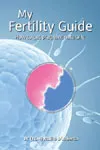
My Fertility Guide by Dr (TCM) Attilio D’Alberto is a comprehensive, evidence-based guide to natural conception, based on over 350 peer-reviewed research studies and 25 years of clinical experience. It blends cutting-edge science with the proven theories of traditional Chinese medicine to give you a complete, practical and easy-to-understand resource for improving your fertility.
The book covers the menstrual cycle and how to identify your fertile window, how to improve egg quality and sperm quality, optimising your diet, lifestyle and environment for conception, evidence-based supplements for both men and women, the most common fertility conditions including PCOS, endometriosis and low AMH, and the role of acupuncture and Chinese herbal medicine in improving fertility outcomes. Available in paperback, Kindle and ebook from Amazon, Waterstones and all major bookshops.
Once you conceive — My Pregnancy Guide by Dr (TCM) Attilio D’Alberto is the companion week-by-week guide to a healthy pregnancy and labour, combining evidence-based medicine with traditional Chinese medicine.
Treatment at my Wokingham clinic
I treat endometriosis at my clinic at 49 Denmark Street, Wokingham, RG40 2AY. Fertility patients travel from across Berkshire — Reading, Bracknell, Twyford, Crowthorne, Sandhurst and the wider Thames Valley — for combined acupuncture and Chinese herbal medicine support, often alongside care at the Bridge Clinic, the Lister, the Chiltern Hospital, IVF Wales, the CARE Fertility centres or NHS fertility services at the Royal Berkshire Hospital. The clinic is a short walk from Wokingham town centre with on-street parking nearby and good rail links from Reading and Bracknell.
The initial 90-minute consultation reviews your full fertility history — previous investigations (hormones, AMH/FSH, semen analysis, HSG, laparoscopy), any current treatment cycle (Clomid, IUI, IVF), menstrual cycle pattern, sleep, stress and any other relevant medical history. Tongue and pulse diagnosis identifies the underlying TCM pattern. I work closely with your IVF consultant where you are in active treatment, with treatment paced around your stimulation, egg-retrieval and embryo-transfer dates.
Follow-up sessions are 60 minutes. The typical course is 3-6 months of weekly or twice-weekly sessions for symptom management alongside specialist gynaecology care. Treatment is intensive around key cycle moments (ovulation, embryo transfer, early pregnancy) and lighter between. Online Chinese herbal medicine consultations are available throughout the UK for patients who cannot attend the clinic in person; for the acupuncture itself you do need to come to the Wokingham clinic. I am a member of the British Acupuncture Council (BAcC), the British Fertility Society (BFS) and the Register of Chinese Herbal Medicine (RCHM). See the treatment prices page for current fees, or the contact page to book.
15. References
- Rubi-Klein K, Kucera-Sliutz E, Nissel H, Bijak M, Stockenhuber D, Fink M, Wolkenstein E. (2010) Is acupuncture in addition to conventional medicine effective as pain treatment for endometriosis? A randomised controlled cross-over trial. European Journal of Obstetrics & Gynecology and Reproductive Biology. 153(1):90–93. doi: 10.1016/j.ejogrb.2010.06.023. PubMed: 20728977
- Wayne PM, Kerr CE, Schnyer RN, Legedza AT, Savetsky-German J, Shields MH, et al. (2008) Japanese-style acupuncture for endometriosis-related pelvic pain in adolescents and young women: results of a randomized sham-controlled trial. Journal of Pediatric and Adolescent Gynecology. 21(5):247–257. doi: 10.1016/j.jpag.2007.07.008. PubMed: 18794019
- Flower A, Liu JP, Chen S, Lewith G, Little P. (2009) Chinese herbal medicine for endometriosis. Cochrane Database of Systematic Reviews. (3):CD006568. doi: 10.1002/14651858.CD006568.pub2. PubMed: 19588398
- Armour M, Lawson K, Wood A, Smith CA, Abbott J. (2023) Acupuncture for endometriosis: a systematic review and meta-analysis. European Journal of Obstetrics & Gynecology and Reproductive Biology. 6 RCTs, 331 participants. Pelvic pain g=1.54 (p<0.001), menstrual pain g=1.67 (p<0.001). PMC10682677
- Chen C, Li X, Lu S, Yang J, Liu Y. (2024) Acupuncture for clinical improvement of endometriosis-related pain: a systematic review and meta-analysis. Archives of Gynecology and Obstetrics. 310(4):2101–2114. doi: 10.1007/s00404-024-07675-z. PubMed: 39110208
- Li PS, Peng XM, Niu XX, Xu L, Hung-Yu Ng E, Wang CC, et al. (2023) Efficacy of acupuncture for endometriosis-associated pain: a multicenter randomized single-blind placebo-controlled trial. Fertility and Sterility. 119(5):815–823. doi: 10.1016/j.fertnstert.2023.01.034. Fertility and Sterility
Prefer to be treated from home? Chinese herbal medicine online consultations are available throughout the UK and worldwide. After a full video consultation, Dr (TCM) Attilio D'Alberto formulates a bespoke herbal prescription and posts your Chinese herbs directly to your door.
Related Chinese herbal formulas
Classical Chinese herbal formulas that may be clinically relevant for endometriosis, depending on TCM pattern differentiation:
- Ai Fu Nuan Gong Wan — see endometriosis
- Da Huang Zhe Chong Wan — with marked depletion and dark skin
- Huo Luo Xiao Ling Dan — see endometriosis
- Shi Xiao San
- Yan Hu Suo San
- Zhe Chong Yin — see Chinese medicine for endometriosis
A practitioner selects from these based on the individual TCM pattern identified in consultation. Read more about Chinese herbal medicine or book an online herbal consultation.
Can acupuncture help endometriosis pain in Wokingham?
Yes — endometriosis-related dysmenorrhoea, chronic pelvic pain and bowel/bladder symptoms are among the conditions most consistently helped at my Wokingham clinic. Treatment runs alongside (not instead of) gynaecological care. Most patients see meaningful pain reduction within 8-12 weeks of weekly acupuncture combined with Chinese herbal medicine targeting the Blood-stasis pattern that drives endometriosis.
What Chinese herbs are used for endometriosis?
Gui Zhi Fu Ling Wan (Cinnamon Twig and Poria) is the foundational formula, addressing the Blood-stasis core. Modifications include Tao Hong Si Wu Tang (Peach Kernel, Safflower and Four Substances) for more aggressive Blood-moving action, and Wen Jing Tang (Warm the Menses Decoction) where Cold-stasis pattern predominates with cold extremities and clotting. Always individualised.
Does endometriosis affect fertility?
Yes — endometriosis is found in 30-50% of women with infertility. Mechanisms include distorted pelvic anatomy, impaired tubal function, reduced egg quality through inflammatory environment, and impaired implantation. TCM treatment alongside fertility care addresses both the structural Blood-stasis component and the inflammatory milieu. Combined treatment often produces improvements in spontaneous conception rates and IVF outcomes.















