




Postpartum Depression: Acupuncture and Chinese Herbal Medicine
By Dr (TCM) Attilio D'Alberto | Traditional Chinese Medicine Practitioner, Wokingham
Postpartum depression (PPD) affects approximately 10–15% of women following childbirth and is the most common complication of the postnatal period. It is frequently under-recognised and undertreated. Acupuncture and Chinese herbal medicine are effective evidence-based treatments for PPD that are safe to use while breastfeeding and address the underlying physiological depletion that drives postnatal mental health difficulties.
What is postpartum depression?
Postpartum depression is a clinical depressive disorder that begins within the first year after delivery, though most commonly in the first four to six weeks. It is distinct from the “baby blues” — the transient emotional lability that affects up to 80% of new mothers in the first week and resolves spontaneously — in both severity and duration. Symptoms of PPD include persistent low mood, loss of interest and pleasure, excessive guilt, difficulty bonding with the baby, sleep disturbance beyond what is explained by infant feeding demands, anxiety, irritability, fatigue, poor concentration and, in severe cases, thoughts of harm to self or baby. PPD is closely associated with postpartum anxiety, which often co-occurs and amplifies its impact.
Risk factors include a personal or family history of depression, a difficult or traumatic birth, lack of social support, relationship difficulties, financial stress, a history of premenstrual syndrome, and thyroid dysfunction (postpartum thyroiditis affects around 5–7% of women and can cause both hyper- and hypothyroid phases that mimic or worsen PPD).
Postpartum depression in TCM
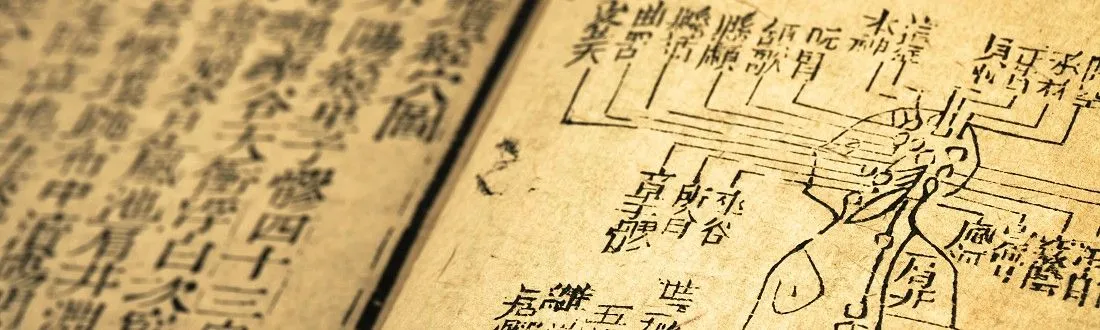
In traditional Chinese medicine, the postpartum period is understood as one of profound depletion — childbirth involves substantial loss of Blood and Qi, and the demands of breastfeeding continue to draw on the mother’s Yin, Blood and Jing (Essence) reserves in the months that follow. The emotional and mental health difficulties of the postnatal period arise directly from this depletion. The primary TCM patterns in PPD are:
- Heart and Spleen Qi and Blood deficiency — the most common pattern; the Heart governs the mind (Shen) and is housed in Blood; when Blood is depleted by childbirth and breastfeeding, the Shen loses its anchoring and becomes restless, anxious or flat; the Spleen, depleted by the effort of recovery and new motherhood, fails to generate sufficient Qi and Blood to restore the reserves; symptoms include persistent low mood, anxiety, palpitations, poor sleep, poor appetite, fatigue, inability to concentrate and difficulty bonding; responds to Gui Pi Tang (Restore the Spleen Decoction) — the foremost formula for Heart-Spleen deficiency with Blood deficiency
- Liver Qi stagnation with Blood deficiency — when the emotional overwhelm, exhaustion and postnatal hormonal fluctuations cause the Liver to stagnate, irritability, frustration, mood swings, tearfulness and anxiety arise alongside the low mood; the Blood deficiency from delivery leaves the Liver under-nourished and easily destabilised; responds to Xiao Yao San modifications, often combined with Blood-nourishing herbs
- Kidney and Heart Yin deficiency with Empty Fire — when postnatal depletion affects both Kidney and Heart Yin; night sweats, palpitations, restlessness, inability to sleep despite exhaustion, anxiety and heat sensations; common in women who have had multiple pregnancies or who are breastfeeding intensively; responds to Tian Wang Bu Xin Dan modifications
- Blood stasis with Phlegm obstructing the Heart — the pattern in the most severe presentations, including postnatal psychosis; when stagnant Blood and Phlegm accumulate in the Heart after delivery, the Shen becomes severely disturbed; this requires urgent medical attention alongside TCM treatment
Acupuncture for postpartum depression
Acupuncture addresses the neurological and hormonal mechanisms underlying PPD through several pathways. It raises endorphin, serotonin and dopamine levels, directly addressing the neurotransmitter deficit that characterises clinical depression. It regulates the HPA axis and normalises the exaggerated cortisol stress response that contributes to postnatal anxiety and mood instability. It supports the restoration of hormonal balance after the dramatic oestrogen and progesterone withdrawal of delivery. A 2018 RCT published in the Journal of Affective Disorders found acupuncture significantly improved Edinburgh Postnatal Depression Scale (EPDS) scores compared to wait-list control. Multiple trials have confirmed acupuncture as safe and effective for postnatal depression and anxiety without the side effects associated with antidepressants, and without any risk to breast milk.
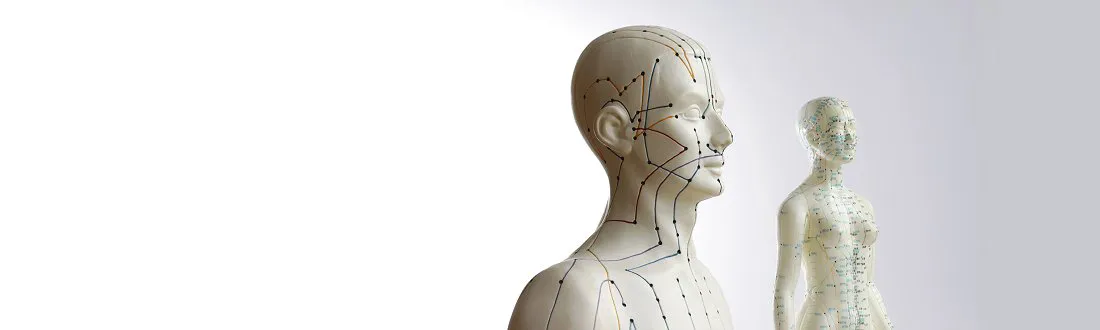
Key points include HT 7 (Shenmen) to calm the Heart and anchor the Shen, PC 6 (Neiguan) for Heart-Mind regulation and anxiety, SP 6 (Sanyinjiao) to nourish Blood and calm the Spirit, ST 36 (Zusanli) to restore Qi and strengthen the Spleen, and GV 20 (Baihui) to lift the Shen and address the mental fog and low mood of deficiency depression.
Chinese herbal medicine for postpartum depression
Chinese herbal medicine is the most comprehensive TCM treatment for PPD because it addresses the Blood and Qi deficiency at the root of most postnatal mental health difficulties on a daily basis, supplementing the effect of acupuncture between sessions. Gui Pi Tang is the primary formula for the most common pattern of Heart-Spleen deficiency, nourishing Blood, tonifying Qi and calming the Shen. It has been shown in clinical trials to improve EPDS scores and quality of life in postnatal women. For the Liver Qi stagnation pattern with irritability and mood swings, Xiao Yao San or Jia Wei Xiao Yao San are the primary choices. Herbs are prescribed as pharmaceutical-grade granules from Sun Ten (Taiwan) and are safe for use during breastfeeding at therapeutic doses.
See also: Depression treatment | Anxiety treatment | Insomnia treatment | Postpartum acupuncture
To discuss postpartum depression treatment at my clinic in Wokingham, contact me or book a consultation.
← Depression | Postpartum acupuncture → | Back to blog
My Pregnancy Guide
My Pregnancy Guide by Dr (TCM) Attilio D’Alberto is a comprehensive week-by-week guide to a healthy pregnancy and labour, based on over 750 peer-reviewed research studies and 25 years of clinical experience. It blends the latest evidence-based science with the proven theories of traditional Chinese medicine to give you everything you need for a confident, well-supported pregnancy and a positive birth experience.
The book covers pregnancy week by week, an optimal pregnancy diet and supplements, how to reduce your baby’s risk of developing autism, managing complications including gestational diabetes and pre-eclampsia, preparing for labour, pain relief options, acupuncture for labour induction, natural herbs to support birth, and postnatal recovery. Available in paperback, Kindle and ebook from Amazon, Waterstones and all major bookshops.















