



Fertility
On this page
- Overview
- How to get pregnant naturally
- Fertility treatments
- Fertility problems
- Fertility advice
- Fertility lifestyle
- Online fertility courses
- Hormones & supplements directories
- Pregnancy and beyond
- My Fertility Guide
- Related pages
1. Fertility treatment overview
Acupuncture and Chinese herbal medicine offer evidence-based, drug-free support for couples trying to conceive — both naturally and alongside IVF, IUI and other assisted reproductive treatments. They work by improving egg and sperm quality, regulating the menstrual cycle, supporting hormonal balance, increasing blood flow to the uterus and ovaries, and reducing the stress and inflammation that can suppress fertility.
I am Dr (TCM) Attilio D'Alberto, a fertility specialist practising in Wokingham, Berkshire. I have supported hundreds of couples to conceive across the full spectrum of fertility difficulties — including women with PCOS, endometriosis, low AMH, repeated IVF failure, and unexplained infertility, as well as men with low sperm count and motility problems. I am the author of My Fertility Guide, a comprehensive evidence-based book on natural conception.
2. How to get pregnant naturally
How to get pregnant naturally
The complete guide to conceiving naturally — the menstrual cycle, identifying your fertile window, optimising egg and sperm quality, lifestyle and diet, evidence-based supplements, and what to do when conception is taking longer than expected. This is the most important fertility resource on the site for couples actively trying to conceive. Read more: How to get pregnant naturally ›
3. Fertility treatments
Acupuncture for fertility
Acupuncture is a cornerstone of fertility treatment in TCM. It works by regulating the hypothalamic-pituitary-ovarian axis, improving ovarian blood flow, supporting follicular development and egg quality, regulating ovulation and the luteal phase, and reducing stress-related cortisol elevation that suppresses fertility. Research has demonstrated improvements in spontaneous conception rates, IVF live birth rates, sperm parameters, and outcomes in poor responders. Treatment is most effective over a 3–6 month course before conception is attempted. Read more: Acupuncture for fertility ›
Chinese herbs for fertility
Chinese herbal medicine provides daily, individualised support between acupuncture sessions. Bespoke herbal formulas address each patient's specific TCM pattern — nourishing blood and yin to support egg quality, tonifying kidney essence to improve ovarian reserve, moving qi and blood to support implantation, and warming yang to support a healthy luteal phase. Modified classical formulas are used throughout, prescribed as pharmaceutical-grade granule extracts from Sun Ten in Taiwan. Read more: Chinese herbs for fertility ›
IVF acupuncture
Acupuncture during IVF improves embryo implantation, increases live birth rates, reduces ovarian hyper-stimulation, and supports the body through a demanding hormonal protocol. The most effective protocol combines preparatory acupuncture for 3 months before stimulation begins, treatment on the day of embryo transfer (immediately before and after), and ongoing support through the two-week wait and first trimester. The benefit is proportionally greater for women with a poorer prognosis — older women, those with low AMH, and those who have had previous failed cycles. Read more: IVF acupuncture ›
Online fertility consultations
For patients outside Berkshire or international clients, I offer online fertility consultations via Zoom. We can review your fertility history, investigations and TCM diagnosis remotely, and I can prescribe Chinese herbal formulas to be posted directly to you. Acupuncture is conducted in person at the clinic. Read more: Online fertility consultations ›
4. Fertility problems
Fertility problems are diverse — from hormonal and structural conditions in women to sperm-related issues in men. TCM diagnosis identifies the underlying patterns driving each problem and treats them with a combination of acupuncture, Chinese herbs, dietary adjustments and lifestyle support. I treat:
PCOS
Polycystic ovary syndrome (PCOS) is the most common cause of anovulatory infertility, affecting 1 in 10 women of reproductive age. TCM treatment targets insulin resistance, hyperandrogenism and the irregular cycle pattern through acupuncture, individualised herbal formulas, dietary changes and supplements such as inositol. Most women see cycle regularisation within 3 months. Read more: PCOS ›
Endometriosis
Endometriosis affects fertility through inflammation, distortion of pelvic anatomy, and impaired egg quality. Acupuncture and Chinese herbal medicine reduce pelvic inflammation, improve uterine blood flow and address the TCM patterns of blood stasis and damp-heat that underlie the condition. Read more: Endometriosis ›
Low AMH
Low anti-Müllerian hormone reflects diminished ovarian reserve. While AMH itself cannot be raised back to baseline, the quality of the eggs being produced can be substantially improved through targeted TCM treatment, CoQ10, DHEA where appropriate, and a 3-month preconception protocol. Read more: Low AMH ›
High FSH
Elevated FSH reflects the pituitary working harder to stimulate the ovaries and is often associated with diminished ovarian reserve. Acupuncture has been shown in research to lower FSH levels and improve ovarian responsiveness, particularly in women approaching the perimenopause. Read more: High FSH ›
Recurrent miscarriage
Recurrent miscarriage (defined as three or more consecutive pregnancy losses) affects around 1% of couples trying to conceive. Investigation should rule out anatomical, immunological, thrombophilic and endocrine causes. TCM treatment supports the luteal phase, improves uterine blood flow, regulates immune factors and addresses kidney deficiency — the most common TCM pattern underlying recurrent loss. Read more: Recurrent miscarriage ›
Unexplained infertility
Unexplained infertility — where investigations are normal but conception has not occurred — affects around 25% of couples seeking fertility care. From a TCM perspective, "unexplained" is rarely truly unexplained: subclinical patterns of qi or blood deficiency, liver qi stagnation, kidney yang deficiency or damp accumulation can almost always be identified and treated. Read more: Unexplained infertility ›
Male fertility
Male fertility accounts for approximately half of all fertility problems. Acupuncture has been shown to improve sperm count, motility and morphology, particularly when combined with antioxidant supplements (CoQ10, zinc, selenium, vitamin C, vitamin E) and lifestyle changes. Sperm regenerates every 3 months, so treatment requires this minimum window. Read more: Low sperm count › · Repeated IVF failure
See the full list of conditions on the fertility problems page.
5. Fertility advice
How to improve egg quality
Egg quality is the single most important determinant of conception and a healthy pregnancy. The 3 months before ovulation determine the quality of the egg that is eventually released — making this the critical window for intervention. Key strategies include CoQ10 (ubiquinol) supplementation, antioxidant-rich diet, blood-flow-improving acupuncture, blood and yin-tonifying Chinese herbs, and stress reduction. Read more: How to improve egg quality ›
How to tell when you are ovulating
Accurately identifying your fertile window is essential for timed intercourse. The most reliable signs of imminent ovulation are fertile-quality cervical mucus (clear, stretchy, egg-white-like), a positive LH surge on an ovulation predictor kit, and mid-cycle abdominal pain (mittelschmerz). Basal body temperature charting confirms ovulation has occurred but cannot predict it in advance. Read more: How to tell when you are ovulating ›
What to do after embryo transfer
The two weeks after embryo transfer is one of the most anxious periods in any IVF cycle. Practical evidence-based guidance — on rest versus normal activity, what to eat, what to avoid, when to test, and how to manage the emotional impact — can make a real difference to both the IVF outcome and your wellbeing during the wait. Read more: What to do after embryo transfer ›
Fertility coaching
Fertility coaching is a structured one-to-one support service for couples on the fertility journey — covering investigations, treatment choices, optimising natural conception, navigating IVF, and emotional wellbeing. Sessions are available in person and online. Read more: Fertility coaching ›
See the full list of fertility advice on the fertility advice page.
6. Fertility lifestyle
Lifestyle has a significant and often under-appreciated impact on fertility. The three pages below are adapted from chapters 7–9 of My Fertility Guide.
Prepping your body for pregnancy
How sleep, exercise, baths versus showers, clothing, footwear, pace of life, dieting, donating blood and your menstrual cycle all affect fertility — and the practical changes to make before trying to conceive. Read more: Prepping your body ›
Stress and fertility: prepping your mind and emotions
Why stress and anxiety damage fertility, the Chinese medicine view of emotions and the Zangfu organs, the three phases of stress response, and how mindfulness, vision boards and positive affirmations can help. Read more: Stress and fertility ›
Environmental toxins: chemicals, plastics, pollution, EMWs
How everyday chemicals, plastics (with the 7 recycling codes explained), BPA, air pollution, heavy metals (cadmium, lead, mercury), electromagnetic waves and commonly-prescribed medications all damage fertility — and how to reduce your exposure. Read more: Environmental toxins ›
7. Online fertility courses
For couples who want a structured, self-paced programme to work through at home — useful if you live outside Berkshire, if you’re between in-clinic appointments, or if you simply want a complete framework. Both courses are based on the same evidence as My Fertility Guide and over 25 years of clinical experience.
Online fertility courses hub
Two online courses are currently available: How to Get Pregnant Naturally for couples trying to conceive, and Healthy Pregnancy Support for the first trimester and beyond. Both come with access to a private fertility community forum. Read more: Online fertility courses ›
8. Reference: hormones, supplements and dictionary
Fertility hormones directory
A complete reference for the hormones that govern fertility — FSH, LH, oestrogen, progesterone, AMH, testosterone, prolactin, TSH, free T4 and more. Each hormone has its own page explaining what it is, what the test results mean, what raises or lowers it, and how TCM addresses imbalances. Read more: Fertility hormones directory ›
Fertility supplements directory
Evidence-based reference for vitamins, minerals, herbs and antioxidants used in fertility care — including CoQ10, DHEA, methylfolate, vitamin D, omega-3, NAC, myo-inositol, vitex (chaste tree), and prenatal multivitamins. Each entry explains the evidence base, dosing and when each is most useful. Read more: Fertility supplements directory ›
Fertility dictionary
An A–Z plain-English fertility dictionary covering the biomedical, hormonal and TCM terms used throughout the fertility pages and in My Fertility Guide. 121 definitions from acrosome and AMH to yin, yang and zygote. Read more: Fertility dictionary ›
9. Pregnancy and beyond
For women who have conceived — particularly those who have come through fertility treatment or have a history of miscarriage — continued TCM support through the first trimester (and ideally to 20 weeks) helps protect the pregnancy and treat common pregnancy symptoms safely.
- Traditional Chinese medicine in pregnancy — the complete pregnancy hub
- Acupuncture in pregnancy
- Chinese herbs in pregnancy
- Early signs of pregnancy
- Moxibustion for breech baby
- Natural labour induction
- Breastfeeding support
10. My Fertility Guide
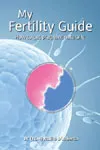
My Fertility Guide by Dr (TCM) Attilio D’Alberto is a comprehensive, evidence-based guide to natural conception, based on over 350 peer-reviewed research studies and 25 years of clinical experience. It blends cutting-edge science with the proven theories of traditional Chinese medicine to give you a complete, practical and easy-to-understand resource for improving your fertility.
The book covers the menstrual cycle and how to identify your fertile window, how to improve egg quality and sperm quality, optimising your diet, lifestyle and environment for conception, evidence-based supplements for both men and women, the most common fertility conditions including PCOS, endometriosis and low AMH, and the role of acupuncture and Chinese herbal medicine in improving fertility outcomes. Available in paperback, Kindle and ebook from Amazon, Waterstones and all major bookshops.
Once you conceive — My Pregnancy Guide by Dr (TCM) Attilio D’Alberto is the companion week-by-week guide to a healthy pregnancy and labour, combining evidence-based medicine with traditional Chinese medicine.
11. Related pages
- Acupuncture — what acupuncture is, how it works and its safety record
- Chinese herbal medicine — the wider Chinese herbal medicine section
- Clinic in Wokingham, Berkshire
- Treatment prices
- Contact me















