




Oxytocin
On this page
- What is oxytocin?
- Where is oxytocin produced?
- Function of oxytocin
- Oxytocin and fertility
- Oxytocin and labour
- Oxytocin and breastfeeding
- Causes of high oxytocin
- Causes of low oxytocin
- Testing oxytocin
- Oxytocin in traditional Chinese medicine
- Acupuncture and oxytocin
- Diet and lifestyle
- My Fertility Guide
- Related pages
1. What is oxytocin?
Oxytocin is often referred to as the "hug hormone" or "bonding hormone" because its levels rise with physical contact, sexual intimacy, breastfeeding and labour. It is a peptide hormone produced by the hypothalamus and released by the posterior pituitary gland. Oxytocin plays an important role in social behaviour, bonding, appetite, anxiety regulation, sexual function, fertility, labour and lactation.
People on the autism spectrum can have lower oxytocin levels. There is also growing research interest in the role of oxytocin in mood, social anxiety and feelings of connection between partners and between mother and baby.
Reference ranges vary from country to country and between laboratories. Oxytocin is rarely measured in routine clinical practice, and reliable testing is technically difficult because oxytocin has a short half-life and exists in different molecular forms. Always interpret any test result against the laboratory's own reference range.
2. Where is oxytocin produced?
Oxytocin is synthesised in the paraventricular and supraoptic nuclei of the hypothalamus and transported along nerve fibres to the posterior pituitary gland, where it is stored and released into the bloodstream. Smaller amounts of oxytocin are also produced in other tissues, including the ovaries, testes, uterus and adrenal glands, where it acts locally.
3. Function of oxytocin
Oxytocin has a wide range of functions across both sexes:
- Bonding and social behaviour — promotes attachment between partners and between mother and infant.
- Sexual function — levels rise during sexual intercourse and peak at orgasm.
- Sperm transport — in men, oxytocin facilitates erectile function and helps the transport of sperm in the female reproductive tract during intercourse.
- Uterine contractions — oxytocin causes the uterine muscle to contract, both during sexual intercourse (helping sperm travel up the uterus) and at labour (pushing the baby out).
- Milk ejection reflex — oxytocin causes the breast to release milk during breastfeeding.
- Anxiety regulation — oxytocin reduces anxiety and stress and counteracts cortisol.
- Appetite regulation — high oxytocin reduces appetite, low oxytocin is associated with increased hunger and comfort eating.
4. Oxytocin and fertility
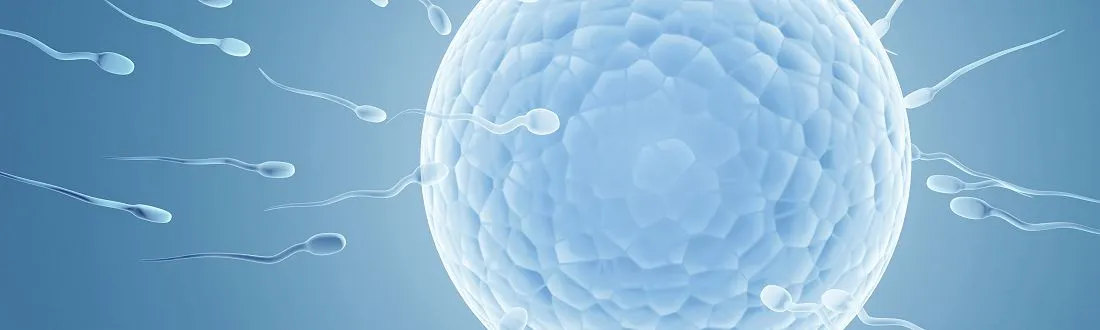
During sexual intercourse, oxytocin levels rise in both partners and peak at orgasm. In the woman, this contributes to uterine contractions that help sperm travel from the vagina, through the cervix and up into the fallopian tubes. In the man, oxytocin supports erectile function and ejaculation.
Maintaining healthy oxytocin levels is important for fertility — not only for the mechanical aspects of conception but also for the emotional bond between partners during what can be an emotionally challenging time.
5. Oxytocin and labour
During labour, the uterus is exquisitely sensitive to oxytocin. Pulses of oxytocin from the posterior pituitary cause the powerful, coordinated contractions that progress labour and ultimately push the baby out. Synthetic oxytocin (Syntocinon, Pitocin) is widely used in obstetric practice to induce or augment labour.
6. Oxytocin and breastfeeding
When the baby suckles at the breast, sensory signals travel to the hypothalamus and trigger the release of oxytocin from the posterior pituitary. Oxytocin then acts on the myoepithelial cells of the breast, causing the milk ejection ("let-down") reflex. Oxytocin does not produce milk itself — that is the role of prolactin — but it releases the milk that prolactin has produced.
7. Causes of high oxytocin
Oxytocin rises in:
- Physical affection — hugging, kissing, massage, sexual intercourse.
- Childbirth and breastfeeding.
- Acupuncture treatment.
- Time spent with loved ones, including pets.
- Synthetic oxytocin administration during obstetric care.
8. Causes of low oxytocin
Oxytocin may be low in:
- Chronic stress and depression.
- Social isolation and lack of physical contact.
- Diets very high in fat and sugar — research has linked high-fat diets to lower oxytocin.
- High testosterone levels — testosterone tends to suppress oxytocin.
- Some neurological and developmental conditions including autism spectrum disorder.
9. Testing oxytocin
Oxytocin is rarely measured in routine clinical practice because of its short half-life, pulsatile release and the difficulty of distinguishing oxytocin from related peptides in laboratory assays. Where it is measured, this is usually in a research setting or in specialist centres investigating very specific questions.
Reference ranges vary from country to country and between laboratories. Always interpret any test result against the laboratory's own reference range.
10. Oxytocin in traditional Chinese medicine
In traditional Chinese medicine, the actions of oxytocin most closely correspond to the function of the Heart in housing the Mind (Shen) and to the Liver in ensuring the smooth flow of Qi and emotions. The bonding, calming and connecting functions of oxytocin are very much aligned with a settled Heart and a freely-flowing Liver. Where chronic stress, isolation or grief have damaged these systems, oxytocin signalling tends to be impaired.
11. Acupuncture and oxytocin
Research has shown that the antinociceptive (pain-relieving) and stress-reducing effects of acupuncture and gentle sensory stimulation are mediated, at least in part, through the release of oxytocin. The relaxed, supported feeling that patients describe after acupuncture is partly an oxytocin response. Regular acupuncture treatment can therefore be considered a way to support healthy oxytocin levels alongside its many other fertility benefits.
12. Diet and lifestyle
To support healthy oxytocin levels:
- Spend time in physical contact with your partner — hugs, massage, holding hands, sexual intimacy.
- Reduce excessive consumption of high-fat, high-sugar processed foods.
- Spend time with loved ones, friends and pets.
- Reduce psychological stress through mindfulness, meditation, yoga or counselling.
- Have regular acupuncture or massage.
- Get sufficient sleep.
13. My Fertility Guide
My Fertility Guide by Dr (TCM) Attilio D’Alberto is a comprehensive, evidence-based guide to natural conception, based on over 350 peer-reviewed research studies and 25 years of clinical experience. It blends cutting-edge science with the proven theories of traditional Chinese medicine to give you a complete, practical and easy-to-understand resource for improving your fertility.
The book covers the menstrual cycle and how to identify your fertile window, how to improve egg quality and sperm quality, optimising your diet, lifestyle and environment for conception, evidence-based supplements for both men and women, the most common fertility conditions including PCOS, endometriosis and low AMH, and the role of acupuncture and Chinese herbal medicine in improving fertility outcomes. Available in paperback, Kindle and ebook from Amazon, Waterstones and all major bookshops.
Once you conceive — My Pregnancy Guide by Dr (TCM) Attilio D’Alberto is the companion week-by-week guide to a healthy pregnancy and labour, combining evidence-based medicine with traditional Chinese medicine.















