



Iron for fertility
On this page
- What is iron?
- Function and how it works
- Fertility benefits
- Recommended daily dose
- Food sources
- Cautions and contraindications
- My Fertility Guide
- Related pages
1. What is iron?
Iron is an essential mineral required for the production of haemoglobin, the red blood pigment that transports oxygen and carbon dioxide around the body. Iron is one of the most important supplements for fertility and one of the most commonly deficient nutrients in women of reproductive age. Vegetarians, vegans, menstruating women and pregnant women are at particular risk of iron deficiency.
From a TCM perspective, iron deficiency closely matches the pattern of Blood deficiency, which underlies a great deal of unexplained infertility. Reference ranges and recommended intakes vary from country to country — always interpret guidance against the recommendations of your own healthcare authority.
2. Function and how it works
Iron supports fertility through several pathways:
- Haemoglobin and oxygen transport. Iron carries oxygen to every cell, including the ovaries, uterine lining and developing follicles.
- Energy production. Iron is required for the cellular machinery that produces ATP.
- Hormone transport. Fertility hormones travel through the blood; reduced blood quality reduces their delivery.
- Uterine lining development. Iron supports the building of a thick, well-vascularised endometrium.
- Pregnancy demands. Iron requirements increase by approximately 50% during pregnancy as maternal red blood cell mass and haemoglobin both rise by around 30%.
3. Fertility benefits
Adequate iron supports a regular menstrual cycle, a healthy uterine lining, sustained energy levels, and the substantial blood requirements of pregnancy. Many women I see for fertility have iron stores within the laboratory's "normal" range but well below the level needed to support optimal fertility — a ferritin level above 70 ng/mL is generally considered ideal for women trying to conceive.
4. Recommended daily dose
I recommend the following daily dosing:
- 18 mg for women of reproductive age (generally obtained from a prenatal supplement).
- 27 mg during pregnancy.
- 100 mg for women with documented iron deficiency (ferritin below 30 ng/mL), under medical supervision.
To absorb iron well you need adequate copper, vitamin C, and B vitamins. Caffeine reduces iron absorption.
5. Food sources
Iron exists in two forms in food: heme iron (from animal sources, well absorbed) and non-heme iron (from plant sources, absorbed less efficiently but enhanced by vitamin C).
- Red meat (most absorbable form)
- Sardines and oily fish
- Wheat germ
- Egg yolks
- Dark green leafy vegetables (spinach, kale, watercress)
- Dried fruit (apricots, prunes, raisins)
- Beans, lentils and pulses
- Pumpkin seeds
6. Cautions and contraindications
- When taking iron, stools may turn darker in colour — this is normal.
- If constipation occurs, try a "gentle" iron formulation (such as iron bisglycinate) which is less constipating.
- Take iron away from calcium and thyroid medication, which reduce absorption.
- Excessive iron supplementation can be harmful — do not exceed recommended doses without confirmed deficiency.
- People with iron-storage disorders (haemochromatosis) should NOT supplement iron.
- Always consult with a fertility specialist or your doctor before starting any new supplement regime.
7. My Fertility Guide
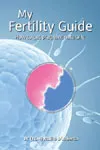
My Fertility Guide by Dr (TCM) Attilio D’Alberto is a comprehensive, evidence-based guide to natural conception, based on over 350 peer-reviewed research studies and 25 years of clinical experience. It blends cutting-edge science with the proven theories of traditional Chinese medicine to give you a complete, practical and easy-to-understand resource for improving your fertility.
The book covers the menstrual cycle and how to identify your fertile window, how to improve egg quality and sperm quality, optimising your diet, lifestyle and environment for conception, evidence-based supplements for both men and women, the most common fertility conditions including PCOS, endometriosis and low AMH, and the role of acupuncture and Chinese herbal medicine in improving fertility outcomes. Available in paperback, Kindle and ebook from Amazon, Waterstones and all major bookshops.
Once you conceive — My Pregnancy Guide by Dr (TCM) Attilio D’Alberto is the companion week-by-week guide to a healthy pregnancy and labour, combining evidence-based medicine with traditional Chinese medicine.
8. Related pages
- Fertility supplements directory
- Vitamin C — increases iron absorption
- Copper — required for iron transport
- Vitamin B12 (cobalamin)
- Folic acid (vitamin B9)
- Unexplained infertility















