





Vitamin A for fertility
On this page
- What is vitamin A?
- Function and how it works
- Fertility benefits
- Recommended daily dose
- Food sources
- Cautions and contraindications
- My Fertility Guide
- Related pages
1. What is vitamin A?
Vitamin A is a fat-soluble vitamin that exists in two main forms: retinol (preformed vitamin A from animal sources) and provitamin A carotenoids such as beta-carotene from plant sources, which the body converts to retinol as needed. Vitamin A is essential for vision, immune function, skin health and reproduction.
Reference ranges and recommended intakes vary from country to country — always interpret guidance against the recommendations of your own healthcare authority.
2. Function and how it works
Vitamin A plays several roles relevant to fertility:
- Sexual health. Vitamin A is required for the maintenance of reproductive tissues in both men and women, including the ovaries, testes, vagina and prostate.
- Hormone synthesis. Vitamin A is involved in the production of progesterone and other steroid hormones.
- Embryonic development. Adequate vitamin A is essential for normal organogenesis, particularly the development of the heart, eyes, lungs and central nervous system in the early embryo.
- Immune function. Vitamin A supports the immune system, including the immune balance required for embryo implantation.
- Antioxidant activity. The carotenoid precursors of vitamin A act as antioxidants, protecting eggs and sperm from oxidative damage.
3. Fertility benefits
Vitamin A is important for maintaining sexual health and fertility, supporting the development of the reproductive tract and contributing to normal hormone production. In men, adequate vitamin A is required for healthy sperm production. In women, vitamin A is essential during pregnancy for fetal development.
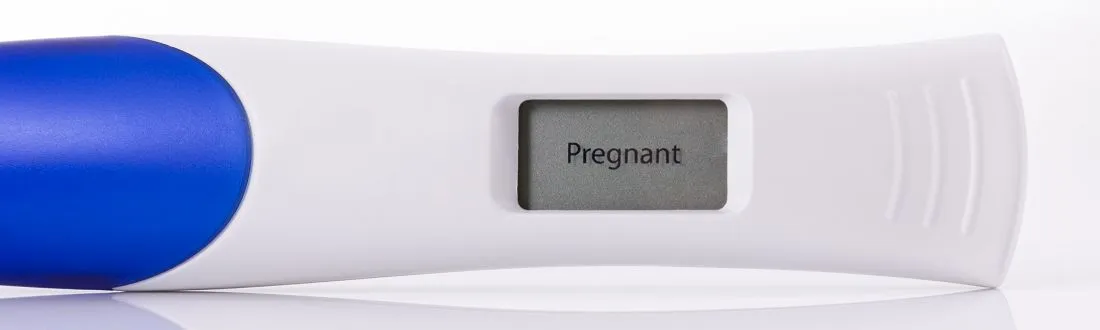
However, vitamin A is one of the few vitamins that can be harmful in excess, particularly during early pregnancy.
4. Recommended daily dose
I recommend a daily dose of 600 mcg (800 RE) for women trying to conceive. This is sufficient to maintain healthy levels without approaching the threshold for fetal harm. Most prenatal supplements contain vitamin A in the form of beta-carotene rather than retinol, which is much safer because beta-carotene is converted to vitamin A only as the body needs it.
For women trying to conceive, I generally recommend taking beta-carotene instead of preformed retinol, to eliminate the risk of accidental overdose.
5. Food sources
Foods that contain high levels of preformed vitamin A (retinol) include:
- Fish oils, particularly cod liver oil
- Liver and liver pâtés
- Fortified cereals and flour
- Eggs and butter (smaller amounts)
Plant sources contain beta-carotene which the body converts to vitamin A: carrots, sweet potatoes, pumpkin, dark leafy greens, apricots, mangoes and peaches.
6. Cautions and contraindications
- Pregnancy warning: Excess vitamin A from retinol sources during pregnancy — particularly in the first seven weeks — significantly increases the risk of birth defects. Pregnant women and women trying to conceive should NOT take cod liver oil, liver, or high-dose retinol supplements.
- Beta-carotene supplementation is preferred for women in the preconception period because it is safely converted to vitamin A only as needed.
- Discuss vitamin A supplementation with your doctor or fertility specialist if you take any medications, particularly retinoid drugs (such as isotretinoin), which already provide vitamin A activity.
- Do not exceed the recommended daily dose without medical supervision.
7. My Fertility Guide
My Fertility Guide by Dr (TCM) Attilio D’Alberto is a comprehensive, evidence-based guide to natural conception, based on over 350 peer-reviewed research studies and 25 years of clinical experience. It blends cutting-edge science with the proven theories of traditional Chinese medicine to give you a complete, practical and easy-to-understand resource for improving your fertility.
The book covers the menstrual cycle and how to identify your fertile window, how to improve egg quality and sperm quality, optimising your diet, lifestyle and environment for conception, evidence-based supplements for both men and women, the most common fertility conditions including PCOS, endometriosis and low AMH, and the role of acupuncture and Chinese herbal medicine in improving fertility outcomes. Available in paperback, Kindle and ebook from Amazon, Waterstones and all major bookshops.
Once you conceive — My Pregnancy Guide by Dr (TCM) Attilio D’Alberto is the companion week-by-week guide to a healthy pregnancy and labour, combining evidence-based medicine with traditional Chinese medicine.
8. Related pages
- Fertility supplements directory
- Beta-carotene — safer plant-based alternative
- Cod liver oil — rich in vitamin A but not for pregnant women
- Vitamin D
- Progesterone















