




Why IVF Varies So Much Between Clinics, Doctors and Countries
By Dr (TCM) Attilio D'Alberto | Traditional Chinese Medicine Practitioner, Wokingham
Most patients assume IVF is a standardised, research-based procedure that should produce the same result wherever you have it done. In practice, IVF is one of the most variable medical interventions in modern medicine — NHS protocols in the UK home counties are basic and one-size-fits-all, London private clinics offer wider technology, and several European countries (Greece, Spain, the Czech Republic) are years ahead of UK practice on add-ons such as platelet-rich plasma (PRP), endometrial receptivity testing, time-lapse imaging and ovarian rejuvenation. The paradox is that IVF was invented in the UK — Patrick Steptoe and Robert Edwards delivered Louise Brown in Oldham in 1978 — but UK clinical IVF practice has not kept pace with the technological lead now held by clinics in Athens, Barcelona, Valencia, Prague and Brussels. This post explains why these variations exist, what they mean for your chances of success, and how acupuncture and Chinese herbal medicine improve IVF outcomes regardless of where you cycle.
On this page
- The myth of standardised IVF
- Why IVF actually varies so much
- NHS IVF in the UK and the home counties
- London private clinics
- European leaders — Greece, Spain, Czech Republic
- PRP and ovarian rejuvenation
- The UK invented IVF — but no longer leads
- What this means for patients
- TCM and how it improves IVF success
- A typical TCM-IVF integration protocol
- Choosing a clinic: practical questions to ask
- Frequently asked questions
- References
1. The myth of standardised IVF
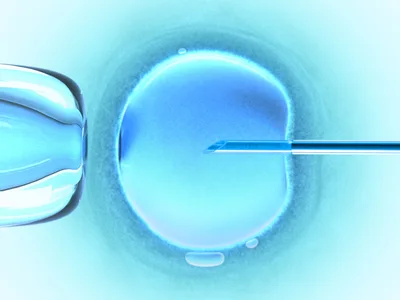
When patients come to my Wokingham clinic having just started planning IVF, almost all of them arrive with the same belief: that IVF is a standardised, evidence-based medical procedure governed by international research, and that the protocol they receive at their local clinic will therefore be broadly the same as the protocol they would receive anywhere else. This belief is intuitive — modern medicine, after all, is built on randomised trials, NICE-style guidelines and shared international evidence — but it is also wrong. IVF is one of the most variable medical interventions in routine clinical use today.
Two women with identical diagnoses can walk into two clinics on the same morning and be offered fundamentally different protocols: different stimulation drugs, different doses, different trigger timing, different luteal-phase support, different transfer strategy, different add-ons. They can walk into clinics in different countries and find the difference is bigger still — some technologies that are routine in Athens or Valencia have not arrived in NHS practice and may not for years. None of this is hidden — it is simply rarely explained.
2. Why IVF actually varies so much
IVF varies for several converging reasons, all of which are clinically and economically rational from the inside but produce a confusing patchwork from the patient’s point of view:
- The evidence base is genuinely incomplete. Many IVF add-ons (PGT-A in unselected patients, EmbryoGlue, time-lapse imaging, immune treatments, intralipids) have inconclusive or contested evidence. Different clinicians read the same studies and draw different conclusions, in good faith.
- Regulation and reimbursement vary by country. The HFEA in the UK is one of the strictest IVF regulators in the world. Other countries (notably Spain and Greece) permit clinical practices that the UK does not. Donor anonymity, embryo selection, the use of certain add-ons and the legal limits on number of embryos transferred all differ substantially.
- Doctors are trained differently. A reproductive endocrinologist trained in Athens, Barcelona, Brussels, Mumbai or Boston has been exposed to different mentors, different patient mixes and different post-cycle audits. Those formative experiences shape protocol choice for decades.
- Cost structures vary. An NHS-funded cycle in the UK home counties is delivered against a fixed tariff. A private cycle in Spain or Greece is delivered against a different tariff with very different margins. The financial space for add-ons, lab equipment and consultant time is not the same.
- Patient expectations differ by market. Self-funded international patients are more likely to ask for and consent to advanced technologies than NHS patients, who often accept whatever the local pathway offers.
3. NHS IVF in the UK and the home counties
NHS-funded IVF in England is delivered by a small number of provider clinics under contract to Integrated Care Boards (ICBs). Eligibility, the number of funded cycles and the protocol offered all depend on where you live — the so-called “postcode lottery” that has been documented and criticised in the UK press for years. In the home counties, where many of my fertility patients live, funding is typically restricted to one full cycle for women under 40 who meet a fairly narrow set of criteria around age, BMI, smoking status, partner status, no previous children in the relationship, and so on. Many couples are not eligible at all.
Where NHS IVF is available, the protocol offered is generally a standardised long-agonist or antagonist stimulation, recombinant FSH or HMG at a fixed dose range, a single fresh embryo transfer, and a basic luteal-phase progesterone protocol. Time-lapse imaging, PGT-A, EmbryoGlue, endometrial receptivity testing (ERA, EMMA, ALICE), intraovarian PRP and other add-ons are not typically included. Some NHS clinics offer specific add-ons at additional private cost; many do not. The cycle is competent, evidence-grounded and follows HFEA-published outcome data — but it is “basic IVF” in the technical sense.
For young patients with straightforward diagnoses, NHS IVF is a reasonable starting point. For patients with low AMH, poor egg quality, recurrent implantation failure, advanced age or unexplained infertility — the patients who typically need the most help — the standard NHS pathway may need to be supplemented with privately-funded add-ons or thorough pre-cycle preparation to give the best chance of success.
4. London private clinics
Private IVF in central London is a different proposition. Clinics here compete on outcomes, on technology and on consultant access, and the better units offer a meaningfully wider range of protocols and add-ons. Mild stimulation, natural-cycle IVF and modified-natural-cycle approaches are available for poor responders and low-AMH patients. Time-lapse imaging is standard in most leading clinics. PGT-A is widely available. Endometrial receptivity testing (ERA, EMMA, ALICE) is offered for recurrent implantation failure. Some London clinics now offer intraovarian or intrauterine PRP, though uptake is much lower than in continental Europe.
The cost of London private IVF is substantial — £5,000 to £8,000 per cycle for the basic package, with add-ons typically adding £1,500 to £4,000. Donor cycles, egg freezing and surrogacy arrangements add further cost. For patients with the financial capacity to fund this level of care, London private IVF is broadly comparable in quality to top private clinics in Europe.
However — and this is the inconvenient truth that London consultants will not always volunteer — even the best London clinics are not at the technological frontier of IVF. That frontier sits elsewhere in Europe.
5. European leaders — Greece, Spain, Czech Republic
Several European countries have invested more aggressively in IVF technology, partly because of more permissive regulation, partly because of competitive medical-tourism markets, and partly because of specific national centres of excellence. The countries patients most often consider abroad are listed below. The clinics and clinic groups named in this section are mentioned for illustrative purposes only — I have no commercial, referral or affiliate relationship with any IVF clinic in the UK or abroad, and the clinic recommendations a patient ultimately receives should be based on their own diagnosis, due diligence and an independent specialist opinion.
Greece
Greek IVF (concentrated in Athens and Crete) leads the world on several specific technologies, most notably intraovarian PRP for poor responders and women with diminished ovarian reserve. The Sfakianoudis et al. studies on autologous platelet-rich plasma for ovarian rejuvenation, published from 2018 onwards, have made Athens a destination for women who would otherwise be told they need donor eggs. Greek clinics also have advanced expertise in donor-egg cycles, in vitro maturation (IVM) and embryo banking. Cost is moderate — usually 30–40% lower than London private — though travel and accommodation add to the package.
Spain
Spain is Europe’s largest IVF market and the leader in donor-egg cycles. Major groups (IVI, Eugin, Ginefiv) operate at scale, with sophisticated PGT-A, time-lapse, ERA testing, mild stimulation and a well-developed donor program permitted by Spanish law. Spanish clinics report particularly strong outcomes for donor recipients and for patients pursuing PGT-A in the over-40 age bracket. Costs are moderate — comparable to Greece — with English-speaking services widely available in Barcelona, Madrid and Valencia.
Czech Republic
Prague has become a major destination for UK and European patients seeking a combination of advanced laboratory work and lower cost. Czech clinics offer PGT-A, ICSI, time-lapse, advanced embryology and donor cycles at prices typically 40–60% lower than UK private clinics. The medical infrastructure is excellent and Czech law permits practices that are restricted elsewhere.
Belgium and Denmark
Belgium pioneered ICSI in the early 1990s (Palermo, Joris and Van Steirteghem at the Vrije Universiteit Brussel) and remains a centre of excellence in embryology and male-factor infertility. Denmark is the world centre of donor-sperm banking through Cryos International and is a leader in social egg freezing and single-women IVF.
6. The PRP example — and other advanced technologies
Platelet-rich plasma (PRP) is a useful example of how an advanced IVF technology can reach routine clinical use in some countries while remaining unavailable, experimental or marginal in others. The evidence base for PRP in IVF is still maturing — most published data are pilot studies, case series and small RCTs rather than large definitive trials — so PRP should be considered a promising but not yet fully-proven option for carefully-selected patients, not a routine first-line intervention. PRP is prepared by drawing the patient’s own blood, centrifuging it to concentrate platelets and the growth factors they contain, and injecting the concentrate into a target tissue. In IVF, PRP is used in two main ways:
- Intraovarian PRP for poor responders, low AMH, premature ovarian insufficiency and ovarian rejuvenation. Pilot studies and case series, particularly from Greek and US groups, report improved AMH, antral follicle count and pregnancy rates in carefully selected patients who would otherwise be advised toward donor eggs.
- Intrauterine PRP for thin endometrium and recurrent implantation failure. RCT and observational data support improved endometrial thickness and clinical pregnancy rates when PRP is infused into the uterine cavity in the follicular phase.
PRP is now routinely offered in many Athens, Barcelona, Valencia and Prague clinics. It is offered in a handful of London private clinics but is not routinely available in the UK and is not part of NHS pathways. For a carefully-selected subset of patients — particularly poor responders, those with diminished ovarian reserve, or those with thin endometrium — PRP represents a meaningful clinical option that UK patients can find difficult to access.
Other technologies where Europe leads include: endometrial receptivity testing (ERA, EMMA, ALICE — particularly widely used in Spain and Greece); mild stimulation and natural-cycle IVF for poor responders; ovarian rejuvenation using PRP, growth factors or experimental stem-cell approaches; time-lapse imaging with AI-assisted embryo selection; and advanced donor programs built around the more permissive donor legislation of Spain and Greece.
7. The UK invented IVF — but no longer leads
It is worth stating clearly: IVF is a British invention. Patrick Steptoe (gynaecologist), Robert Edwards (physiologist) and Jean Purdy (embryologist) achieved the world’s first IVF live birth at Oldham General Hospital on 25 July 1978. Louise Brown is now in her mid-40s. Robert Edwards received the Nobel Prize in Physiology or Medicine in 2010. The UK’s contribution to the founding of assisted reproduction is enormous and continues through HFEA regulation, ESHRE-aligned guidelines and the world-class basic-science work being done at Cambridge, Oxford and several London centres.
And yet British clinical IVF practice has fallen behind the frontier. NHS funding constraints, conservative add-on policy, HFEA caution about novel interventions, the absence of large medical-tourism competition and the high cost of running London-grade clinics in the UK regulatory environment all contribute. Patients are entitled to find this paradox frustrating: the country that invented IVF is no longer the country where the most advanced IVF is offered.
8. What this means for patients
The practical implications of all this depend on which kind of patient you are. For a young patient with a straightforward diagnosis and one NHS cycle of eligibility, the right answer is almost always to take the NHS cycle, prepare for it well, and hope for the best. For a patient with a complex picture — low AMH, recurrent implantation failure, advanced age, repeated failed cycles — the answer is more nuanced. London private may offer enough advanced technology to make a difference; in some cases a properly-researched cycle in Athens, Valencia or Prague will offer access to a specific technology (PRP, ovarian rejuvenation, advanced PGT-A protocols) that simply is not available at home. Medical-tourism IVF is not a casual decision — logistics, follow-up care, language and clinic quality due diligence all matter — but for the right patient with the right diagnosis, it can be transformative.
Whatever you choose, the principle is the same: your chances are not fixed. Where you go, who you see, which protocol you have, and what preparation you put in before the cycle all influence the result.
9. TCM and how it improves IVF success
This brings us to the most important point of this post for my patients: the protocol and clinic you choose are only half of the equation. The biology you bring to the cycle — the quality of your eggs, the receptivity of your uterus, the regulation of your stress response, the inflammatory state of your endometrium, the hormonal milieu of your luteal phase — matters at least as much as the technology of the lab. And these factors are modifiable.
Traditional Chinese medicine and acupuncture are among the best-evidenced complementary interventions for IVF preparation. The mechanisms are now well documented and operate at several levels:
- Ovarian and uterine blood flow. Doppler studies consistently show that acupuncture reduces uterine artery resistance and increases ovarian and endometrial perfusion. This is the documented basis of the improved endometrial thickness and implantation receptivity seen in acupuncture-treated IVF patients.
- HPA axis and cortisol regulation. Chronic stress raises cortisol, which suppresses ovulation and reduces implantation. Acupuncture appears to lower cortisol and normalise the diurnal cortisol curve, and randomised data (Magarelli et al. 2009) suggest associated improvements in IVF outcomes in patients receiving acupuncture during controlled ovarian stimulation.
- HPO axis modulation. Acupuncture and Chinese herbs influence LH, FSH and the GnRH pulse generator. This is particularly relevant in PCOS, hypothalamic amenorrhoea, and poor responders where the central hormonal signal is dysregulated.
- Egg quality through the 90-day window. Each follicle that ovulates today began its maturation 90 days ago. The pre-stimulation window is the highest-leverage opportunity to influence egg quality through nutrition, antioxidant status, sleep, stress reduction and Chinese herbal medicine targeting Kidney Yin and Yang and Blood deficiency.
- Sperm quality. Spermatogenesis takes around 74 days. Published studies suggest acupuncture may improve sperm count, motility and morphology and reduce DNA fragmentation in male partners (Pei et al. 2005; Dieterle et al. 2009) on a similar 90-day window.
- Immune and inflammatory regulation. Subclinical inflammation, autoimmune patterns and uterine natural killer cell activity all influence implantation. Chinese herbal medicine has documented immunomodulatory effects relevant to this layer of the picture.
The clinical evidence base is now substantial. The Paulus et al. 2002 trial first demonstrated improved clinical pregnancy rates with peri-transfer acupuncture in an IVF cohort. Subsequent meta-analyses have shown that combined acupuncture and TCM herbal pre-treatment improves clinical pregnancy rates and live birth rates compared with IVF alone, with particular benefit in poor responders and women with previous failed cycles. The Ried & Stuart meta-analysis of 40 RCTs in 4,247 women found Chinese herbal medicine produced approximately a 1.7-fold higher pregnancy rate than Western medical treatment in subfertile women across PCOS, endometriosis, anovulation and unexplained infertility. Importantly, the comparator in those trials was Western fertility treatment in general (mostly clomiphene-based ovulation induction and standard sub-fertility management) rather than IVF specifically — so this finding speaks to the role of Chinese herbal medicine in the pre-IVF preparation window and in general sub-fertility care, not to a head-to-head comparison against an IVF cycle.
10. A typical TCM-IVF integration protocol
What this looks like in practice in my Wokingham clinic depends on the patient’s specific TCM pattern and where they are in their IVF planning. A typical pattern is:
- 12 weeks before stimulation — begin weekly cycle-phase acupuncture and Chinese herbal preparation. Address the underlying pattern (Kidney Yin deficiency, Yang deficiency, Blood deficiency, Liver Qi stagnation, Phlegm-Damp) identified at the initial consultation. This is the highest-leverage window for egg quality, sperm quality and uterine preparation.
- During stimulation — twice-weekly acupuncture to support follicular development, reduce stimulation side effects, manage stress and protect against OHSS in higher responders. Chinese herbs are typically stopped during stimulation to avoid drug interactions, then resumed after transfer if pregnancy is established.
- Day of embryo transfer — the well-studied Paulus peri-transfer protocol: a session within 24 hours before transfer and a session within 24 hours after. This is the single most evidence-supported application of fertility acupuncture.
- Luteal phase and early pregnancy — weekly acupuncture and (where indicated) Chinese herbal medicine through the two-week wait and into the first trimester to support implantation, reduce miscarriage risk and manage stress.
This integrated approach is complementary, not alternative. It runs alongside conventional IVF and does not interfere with stimulation drugs, monitoring or laboratory work. For patients heading abroad for IVF, the TCM preparation phase can be completed at home in the 12 weeks before travel, with peri-transfer acupuncture arranged either at a local clinic in the destination city (many leading European IVF clinics now have associated acupuncturists) or in the days immediately on return.
11. Choosing a clinic: practical questions to ask
If you are choosing between clinics — NHS, London private or abroad — the following practical questions cut through the marketing and let you compare offers honestly:
- What is your clinic’s live birth rate per started cycle (not per embryo transfer) in my specific age band and diagnostic category?
- What stimulation protocols do you offer and which would you propose for me?
- Do you offer mild or natural-cycle IVF for poor responders?
- Do you offer time-lapse imaging? PGT-A? ERA/EMMA/ALICE? PRP?
- Will I see the same consultant throughout, or will I rotate between consultants?
- What is your single-embryo-transfer policy and what would you recommend for me?
- What is your luteal-phase support protocol?
- Do you support patients who use acupuncture and complementary care during the cycle?
- If my cycle fails, what is your standard follow-up review and protocol-adjustment process?
The answers will tell you a great deal about whether the clinic is offering individualised care or running you through a standard pathway. Patients who ask these questions get noticeably better care than patients who do not.
Thinking about IVF and want to maximise your chances of success? I work with patients across the UK and abroad on the 12-week TCM preparation window before stimulation, on peri-transfer acupuncture (the well-evidenced Paulus protocol), and on follow-up after failed cycles. I am a member of the British Acupuncture Council and the Register of Chinese Herbal Medicine (RCHM). If you would like to discuss your situation, please get in touch to book a consultation — in-person in Wokingham or by video for patients outside Berkshire.
My Fertility Guide by Dr (TCM) Attilio D’Alberto is a comprehensive, evidence-based guide to natural and IVF conception, based on over 350 peer-reviewed research studies and 25 years of clinical experience. It blends cutting-edge science with the proven theories of traditional Chinese medicine to give you a complete, practical and easy-to-understand resource for improving your fertility — whether you are preparing for natural conception or planning an IVF cycle at home or abroad.
The book covers the menstrual cycle and fertile window, egg quality and sperm quality, optimising diet, lifestyle and environment for conception, evidence-based supplements, the most common fertility conditions including PCOS, endometriosis and low AMH, and the role of acupuncture and Chinese herbal medicine in IVF preparation. Available in paperback, Kindle and ebook from Amazon, Waterstones and all major bookshops.
Once you conceive — My Pregnancy Guide by Dr (TCM) Attilio D’Alberto is the companion week-by-week guide to a healthy pregnancy and labour, combining evidence-based medicine with traditional Chinese medicine.
12. Frequently asked questions
Is IVF really different from clinic to clinic?
Yes — significantly. Stimulation protocol, drug choice, trigger timing, single vs double embryo transfer, lab equipment, embryologist experience, time-lapse imaging, PGT-A use, luteal-phase support and add-on availability all differ. Two clinics in the same city can offer fundamentally different cycles for the same patient.
Why is NHS IVF considered basic?
NHS IVF is delivered against a fixed tariff that does not cover most modern add-ons (time-lapse imaging, PGT-A, EmbryoGlue, endometrial receptivity testing such as ERA, EMMA and ALICE, PRP). The cycles are clinically competent and follow HFEA-published outcomes — but they offer a deliberately stripped-down version of what is available privately.
Which European country is best for IVF?
It depends on the diagnosis. Greece leads on intraovarian PRP and ovarian rejuvenation; Spain leads on donor cycles and PGT-A at scale; the Czech Republic offers high-quality cycles at lower cost; Belgium remains a centre of excellence for male-factor IVF and ICSI; Denmark is the leader in donor-sperm banking and social egg freezing. There is no single “best” country — the right choice depends on what your specific clinical need is.
Is PRP available for IVF in the UK?
A small number of London private clinics offer intraovarian or intrauterine PRP, but it is not yet routine and is not available on the NHS. Patients specifically seeking PRP as part of their IVF cycle most commonly travel to Athens, where the technique was clinically developed and refined.
Does acupuncture really improve IVF success?
The evidence supports particular benefit for peri-transfer acupuncture (a session within 24 hours before and after embryo transfer, per the Paulus protocol) and for 12-week pre-cycle preparation combining cycle-phase acupuncture and individualised Chinese herbal medicine. Meta-analyses consistently show improved clinical pregnancy and live birth rates compared with IVF alone, with particular benefit in poor responders and women with previous failed cycles.
Can I take Chinese herbs during an IVF cycle?
Chinese herbs are typically used during the 12-week preparation phase before stimulation and are then stopped during stimulation to avoid any interaction with the IVF drugs. They are often resumed after a confirmed pregnancy to support implantation and early gestation. Always coordinate with your IVF clinic and a qualified RCHM-registered Chinese herbalist.
Should I have IVF abroad?
Going abroad for IVF is a serious decision with logistical, financial and follow-up implications. It is appropriate when a specific advanced technology (PRP, advanced PGT-A protocols, donor cycles unavailable at home) is the right clinical answer to your situation, and when you have done thorough due diligence on clinic quality, language, follow-up care and aftercare. For most patients, well-prepared IVF at a good local clinic produces better outcomes than rushed IVF abroad — preparation matters more than venue.
13. References
- Paulus WE, Zhang M, Strehler E, El-Danasouri I, Sterzik K. Influence of acupuncture on the pregnancy rate in patients who undergo assisted reproduction therapy. Fertility and Sterility. 2002;77(4):721–724.
- Ried K, Stuart K. Efficacy of traditional Chinese herbal medicine in the management of female infertility: a systematic review. Complementary Therapies in Medicine. 2011;19(6):319–331. (Updated meta-analysis 2015.)
- Sfakianoudis K, Simopoulou M, Nitsos N, et al. A case series on platelet-rich plasma revolutionary management of poor responder patients. Gynecologic and Obstetric Investigation. 2019;84(1):99–106.
- Sfakianoudis K, Simopoulou M, Grigoriadis S, et al. Reactivating ovarian function through autologous platelet-rich plasma intraovarian infusion: pilot data on premature ovarian insufficiency, perimenopausal, menopausal and poor responder women. Journal of Clinical Medicine. 2020;9(6):1809.
- Manheimer E, van der Windt D, Cheng K, et al. The effects of acupuncture on rates of clinical pregnancy among women undergoing in vitro fertilization: a systematic review and meta-analysis. Human Reproduction Update. 2013;19(6):696–713.
- Steptoe PC, Edwards RG. Birth after the reimplantation of a human embryo. The Lancet. 1978;312(8085):366.
- Palermo G, Joris H, Devroey P, Van Steirteghem AC. Pregnancies after intracytoplasmic injection of single spermatozoon into an oocyte. The Lancet. 1992;340(8810):17–18.
- Magarelli PC, Cridennda DK, Cohen M. Changes in serum cortisol and prolactin associated with acupuncture during controlled ovarian hyperstimulation in women undergoing in vitro fertilization-embryo transfer treatment. Fertility and Sterility. 2009;92(6):1870–1879.
- Pei J, Strehler E, Noss U, et al. Quantitative evaluation of spermatozoa ultrastructure after acupuncture treatment for idiopathic male infertility. Fertility and Sterility. 2005;84(1):141–147.
- Dieterle S, Li C, Greb R, et al. A prospective randomized placebo-controlled study of the effect of acupuncture in infertile patients with severe oligoasthenozoospermia. Fertility and Sterility. 2009;92(4):1340–1343.
- Human Fertilisation and Embryology Authority. Fertility treatment 2022: trends and figures — UK fertility regulator clinic-level outcomes data. London: HFEA; 2024.
- Fertility Fairness. NHS IVF provision — annual postcode-lottery audit of CCG/ICB funding across England. London: Fertility Fairness.
- BBC News. IVF on the NHS: postcode lottery in England. 2022.
- National Institute for Health and Care Excellence (NICE). Fertility problems: assessment and treatment (CG156). London: NICE; 2013 (updated 2017).















