

Bi Yan Pian (鼻炎片) — Nose-Inflammation Tablet
By Dr (TCM) Attilio D’Alberto — registered Traditional Chinese Medicine practitioner (BAcC, RCHM) with over 25 years’ clinical experience.
Bi Yan Pian is a Chinese patent remedy for the blocked, congested, thick-mucus picture of sinus trouble and rhinitis. It opens the nose and clears the sinuses in TCM terms. It is complementary self-care for mild, recurring nasal congestion, not a treatment for acute bacterial sinusitis.
On this page
- What it is
- What it is used for
- Key ingredients
- Safety and cautions
- When to see a practitioner
- Frequently asked questions
- Related pages
1. What it is
Bi Yan Pian (“Nose-Inflammation Tablet”) is an over-the-counter formula for nasal and sinus congestion. It combines nose-opening herbs with wind-clearing and mild Heat-clearing herbs to relieve a blocked, stuffy nose and thick discharge.
2. What it is used for
Traditionally used for nasal and sinus congestion:
- A blocked, stuffy nose and difficulty breathing through the nose
- Thick nasal discharge and post-nasal drip
- Sinus pressure and a heavy, congested forehead or cheeks
- Chronic or recurring rhinitis and stuffiness
3. Key ingredients
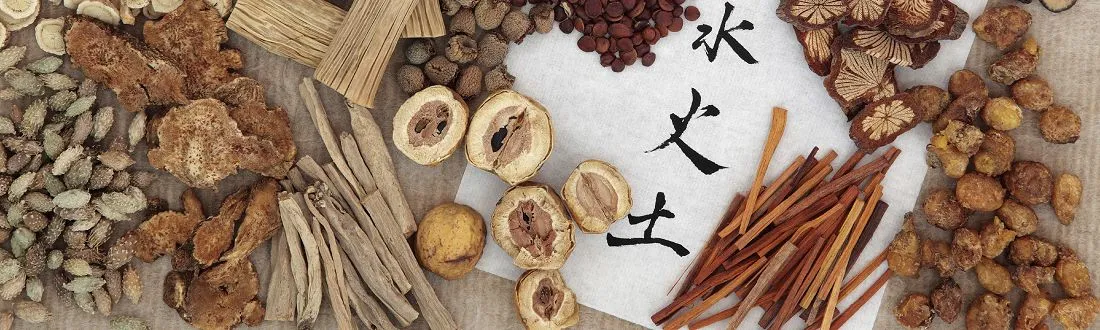
It combines nose-opening herbs Cang Er Zi (xanthium) and Xin Yi Hua (magnolia flower) with Bai Zhi, Fang Feng, and mild Heat-clearing herbs such as Ye Ju Hua (wild chrysanthemum) and Jin Yin Hua. It contains no animal products.
4. Safety and cautions
- Cang Er Zi caution: mildly toxic in overdose — keep to the packet dose and do not take long-term without professional advice.
- Acute bacterial sinusitis — severe facial pain, high fever or symptoms worsening after initial improvement may need medical treatment; see a doctor.
- Pregnancy and breastfeeding: only under professional advice.
- Tell your pharmacist about decongestants and other medication you take. Always have Chinese herbal medicine prescribed by a herbalist registered with the Register of Chinese Herbal Medicine (RCHM).
5. When to see a practitioner instead
A patent remedy is a fixed formula for a passing complaint. Recurrent or persistent symptoms point to an underlying pattern that a one-size-fits-all pill will not resolve — for those, an individualised assessment and a tailored prescription address the root. See Chinese herbal medicine or arrange an online herbal consultation.
6. Frequently asked questions
What is Bi Yan Pian used for?
It is traditionally used for nasal and sinus congestion — a blocked stuffy nose, thick discharge, post-nasal drip and sinus pressure, including chronic or recurring rhinitis. It opens the nose and clears the sinuses, and is complementary self-care rather than a treatment for acute infection.
How is Bi Yan Pian different from Bi Min Gan Wan?
Bi Yan Pian leans towards congestion, thick mucus and sinus pressure, while Bi Min Gan Wan leans towards the allergic, sneezy, watery-nose picture with more Qi support. A practitioner chooses between them based on your pattern.
Can Bi Yan Pian help sinusitis?
It is traditionally used for the congested, thick-mucus picture of sinus trouble. Acute bacterial sinusitis with severe facial pain, high fever, or symptoms worsening after improving may need medical treatment — see a doctor.
Is it safe to take long term?
It contains Cang Er Zi, which is mildly toxic in overdose, so keep to the packet dose and do not take it long-term without professional advice. Persistent nasal problems should be assessed properly.
7. Related pages
- Cang Er Zi San — the classical nose-opening formula
- Bi Min Gan Wan — for allergic rhinitis
- Acupressure for sinus relief
- All Chinese herbal formulas















