

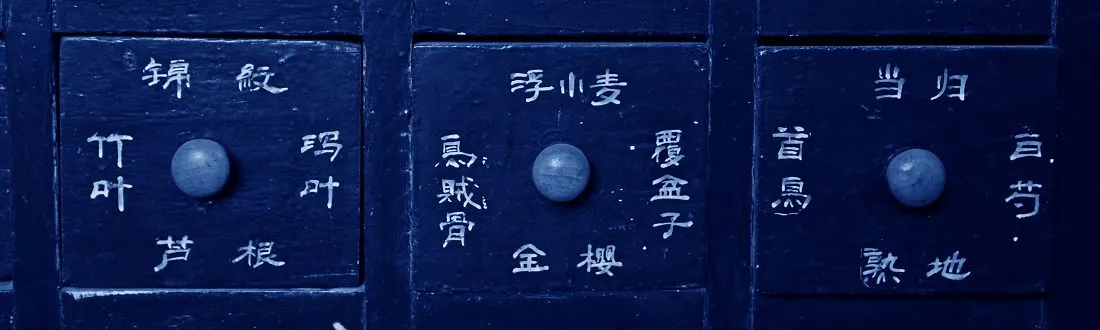
Xiǎo Mài (小麦) — Wheat grain
On this page
- Overview
- Properties
- Actions and indications
- Key formulas
- Modern research
- Incompatibilities
- Cautions and contraindications
- Treatment at my clinic
1. Overview
Xiǎo Mài (小麦) — Triticum aestivum — is known in English as Wheat grain. It belongs to the category of food herbs that nourish the Heart and calm the spirit in the Chinese Materia Medica and is used in Chinese herbal medicine both as a component of classical herbal formulas and within tailored prescriptions in traditional Chinese medicine (TCM).
I prescribe Xiǎo Mài as part of bespoke herbal formulas from pharmaceutical-grade granules sourced from Sun Ten in Taiwan — independently tested to the highest international quality and safety standards. Herbs are never prescribed individually outside a properly balanced formula; they are always combined with other herbs selected to match the patient’s individual TCM pattern. Online consultations are available for patients who cannot attend my clinic in person.
2. Properties
| Pinyin name | Xiǎo Mài |
|---|---|
| Chinese characters | 小麦 |
| Latin name | Triticum aestivum |
| English name | Wheat grain |
| Nature | Cool |
| Flavour | Sweet |
| Channels entered | Heart, Spleen, Kidney |
| Category | Calm the spirit |
3. Actions and indications
Principal actions
- Nourishes the Heart and calms the spirit
- Clears Heat and relieves irritability
Indications
- Restless organ disorder with emotional lability and frequent crying
- Anxiety, irritability and disturbed sleep
- Emotional upset around the menopause or after grief
4. Key formulas containing Xiǎo Mài
Xiǎo Mài is an ingredient in a number of classical formulas. The following are among the most important:
See the full Chinese herbal medicine formula directory for detailed information on all 346 formulas.
5. Modern research
Wheat grain is the principal herb of Gan Mai Da Zao Tang, the classical formula for restless organ disorder. It should be distinguished from Fu Xiao Mai (light, floating wheat), which is used specifically to stop sweating.
6. Incompatibilities
The classical Ming-dynasty texts Shi Ba Fan (Eighteen Antagonisms) and Shi Jiu Wei (Nineteen Mutual Inhibitions) record herb pairs that should not be combined. Modern practitioners treat these as strong cautions rather than absolute contraindications.
No classical incompatibilities are recorded for Xiǎo Mài in the Shi Ba Fan or Shi Jiu Wei.
7. Cautions and contraindications
A food-grade herb, but unsuitable for those with coeliac disease or wheat allergy, for whom a substitute is used.
Pattern contraindications
No specific pattern contraindications beyond the above.
Modern drug interactions
No specific drug interactions are well established for Xiǎo Mài at normal prescribed doses. As with all Chinese herbs, tell your herbalist about every prescribed medication so the formula can be reviewed for interactions and adjusted where necessary.
Important: Chinese herbs should always be prescribed by a fully qualified herbalist who is a member of the Register of Chinese Herbal Medicine (RCHM). Never self-prescribe or self-administer Chinese herbs without professional guidance. Dr (TCM) Attilio D’Alberto is a member of the RCHM and the British Acupuncture Council with over 25 years of clinical experience.
8. Treatment at my clinic
I prescribe Xiǎo Mài within tailored formulas for Heart-Spirit patterns with emotional lability, checking first for coeliac disease or wheat intolerance.
Online Chinese herbal medicine consultations are available for patients throughout the UK and internationally, with herbs dispensed by post. Visit the prices page for consultation fees.
Return to the Chinese herb directory or the Chinese herbal medicine main page.
Prefer to be treated from home? Chinese herbal medicine online consultations are available throughout the UK and worldwide. After a full video consultation, Dr (TCM) Attilio D'Alberto formulates a bespoke herbal prescription and posts your Chinese herbs directly to your door.















