




Fertility advice
On this page
- Overview
- Female fertility advice
- Male fertility advice
- IVF and assisted conception advice
- Cycle, hormones and the two-week wait
- Environmental factors
- Fertility coaching
- Related pages
- My Fertility Guide
- My Pregnancy Guide
1. Fertility advice and guidance
I am Dr (TCM) Attilio D'Alberto, a fertility specialist with over 25 years of clinical experience. Below is a collection of evidence-based fertility advice on the topics I am most frequently asked about by my patients — from improving egg quality and detecting ovulation to increasing sperm count and preparing for IVF.
All advice is grounded in both western reproductive medicine and traditional Chinese medicine (TCM). I have treated hundreds of couples through fertility difficulties — including those who had been trying for years, those with complex diagnoses, and those who had experienced repeated IVF failure — and the advice on these pages reflects what I have found most useful in clinical practice.
If you would prefer personalised, one-to-one guidance, I offer fertility coaching in person at my Wokingham clinic and online. I have also written two books — My Fertility Guide and My Pregnancy Guide — which cover these topics in much greater depth.
2. Female fertility advice
How to improve egg quality
Egg quality is one of the most important — and most improvable — aspects of female fertility. The egg takes approximately 90–120 days to mature, meaning changes made now will influence the egg available for conception or IVF in three to four months' time. My guide covers the Mediterranean diet and specific nutrients that support follicle development, the supplements with the strongest research evidence (including CoQ10, DHEA and methylfolate), lifestyle factors such as sleep and stress management, what to avoid, the TCM patterns behind poor egg quality, and how acupuncture and Chinese herbal medicine can improve the follicular environment.
Read: How to improve egg quality ›
How to tell when you are ovulating
Missing the fertile window is one of the most common and most easily correctable reasons couples do not conceive. My guide explains the different methods for detecting ovulation — ovulation predictor kits (LH surge testing), cervical mucus monitoring, basal body temperature charting and fertility monitors — with an honest account of the accuracy and limitations of each. It also covers the physical signs of ovulation, when to time intercourse, what happens after ovulation, the warning signs of ovulatory problems, and how acupuncture can support and regulate ovulation.
Read: How to tell when you are ovulating ›
How to reduce high FSH levels
Elevated FSH (follicle-stimulating hormone) is one of the most common causes of poor ovarian response in IVF and a significant marker of declining ovarian reserve. High FSH does not mean conception is impossible, but it does mean acting promptly and implementing a targeted protocol to improve ovarian function. My approach combines acupuncture, Chinese herbal medicine, specific supplements and dietary changes to lower FSH and improve the ovarian environment.
3. Male fertility advice
How to increase sperm count
Male factor infertility accounts for approximately 40–50% of all infertility cases, yet it is often underinvestigated and undertreated. Low sperm count (oligozoospermia) is highly responsive to dietary, lifestyle and supplementation changes, as well as to acupuncture and Chinese herbal medicine. My guide covers the diet and specific foods that support sperm production, key supplements, sleep, exercise, heat avoidance, and the environmental chemicals to avoid. It takes approximately 74 days for sperm to mature, so beginning treatment at least three months before a planned conception attempt gives the best results.
Read: How to increase sperm count ›
How to increase testosterone levels naturally
Low testosterone is a significant and often unrecognised contributor to male infertility. It reduces sperm count, impairs sperm quality, reduces libido and can cause erectile dysfunction. Crucially, testosterone replacement therapy (TRT) — the conventional medical treatment for low testosterone — actually suppresses sperm production and should never be used by men wanting to conceive. My guide explains the causes of low testosterone, the natural approaches that safely raise levels (diet, exercise, sleep, supplements), the TCM understanding of low testosterone as Kidney yang deficiency, and how acupuncture and moxibustion have been shown in research to increase both total and free testosterone.
Read: How to increase testosterone levels naturally ›
4. IVF and assisted conception advice
What to do after embryo transfer
The two weeks following embryo transfer are among the most anxious of the entire IVF journey. My guide explains what is actually happening biologically during this period, what you can meaningfully do to support implantation (including the strong evidence for acupuncture on the day of transfer), what to avoid, how to manage the wait, the TCM approach to supporting implantation, and when to take a pregnancy test. A meta-analysis of 25 RCTs found that acupuncture significantly increased both clinical pregnancy rates (43.6% vs 33.2%) and live birth rates (38.0% vs 28.7%) in women undergoing IVF.
Read: What to do after embryo transfer ›
Frequently asked questions about fertility acupuncture
Answers to the questions I am most commonly asked by fertility patients: how does acupuncture help with infertility, how often should I have acupuncture, when in my menstrual cycle should I have acupuncture, when should I have acupuncture during IVF, and more.
Read: Fertility acupuncture FAQs ›
5. Cycle, hormones and the two-week wait
For more on cycle, hormones and luteal-phase support, see the related blog posts:
- CoQ10 for fertility — egg and sperm quality, dosage, ubiquinol vs ubiquinone
- DPO — days past ovulation guide — the two-week wait, when to test, supporting implantation
- Period blood clots
- How to naturally induce a period
- Period won’t stop — heavy and prolonged bleeding
- Vitamins to get pregnant
- What to eat during your period
6. Environmental factors
Endocrine disruptors — how plastics harm fertility
Endocrine-disrupting chemicals found in plastics and everyday products — including bisphenol A (BPA), phthalates and microplastics — interfere with reproductive hormones in both men and women, reducing sperm quality, disrupting the menstrual cycle and impairing egg quality. My guide explains the main culprits, where daily exposure comes from, the research evidence across male and female fertility, and practical steps to reduce your exposure before conceiving or during pregnancy.
Read: Endocrine disruptors and plastics ›
7. Fertility coaching
If you would like personalised, expert guidance — reviewing your test results, identifying what may be holding you back from conceiving, planning your treatment strategy, and supporting you through the fertility journey — I offer fertility coaching both in person and online. Coaching can be offered as a standalone service or combined with acupuncture and Chinese herbal medicine.
8. Related pages
You may also find the following pages useful:
- How to get pregnant — a comprehensive guide to natural conception
- Fertility problems — detailed pages on PCOS, endometriosis, low AMH, irregular cycles, male infertility, unexplained infertility and more
- Fertility acupuncture — how acupuncture supports natural conception and IVF
- Chinese herbal medicine for fertility — tailored herbal prescriptions for fertility conditions
- IVF acupuncture — acupuncture support throughout an IVF cycle
- Pregnancy — acupuncture and Chinese medicine support during pregnancy
- My Fertility Guide — my book on natural conception, covering the menstrual cycle, ovulation, fertility problems and treatment in depth
9. My Fertility Guide
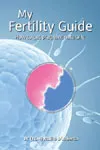
My Fertility Guide by Dr (TCM) Attilio D’Alberto is a comprehensive, evidence-based guide to natural conception, based on over 350 peer-reviewed research studies and 25 years of clinical experience. It blends cutting-edge science with the proven theories of traditional Chinese medicine to give you a complete, practical and easy-to-understand resource for improving your fertility.
The book covers the menstrual cycle and how to identify your fertile window, how to improve egg quality and sperm quality, optimising your diet, lifestyle and environment for conception, evidence-based supplements for both men and women, the most common fertility conditions including PCOS, endometriosis and low AMH, and the role of acupuncture and Chinese herbal medicine in improving fertility outcomes. Available in paperback, Kindle and ebook from Amazon, Waterstones and all major bookshops.
10. My Pregnancy Guide
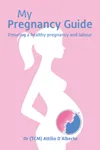
My Pregnancy Guide by Dr (TCM) Attilio D’Alberto is a comprehensive week-by-week guide to a healthy pregnancy and labour, based on over 750 peer-reviewed research studies and 25 years of clinical experience. It blends the latest evidence-based science with the proven theories of traditional Chinese medicine to give you everything you need for a confident, well-supported pregnancy and a positive birth experience.
The book covers pregnancy week by week, an optimal pregnancy diet and supplements, how to reduce your baby’s risk of developing autism, managing complications including gestational diabetes and pre-eclampsia, preparing for labour, pain relief options, acupuncture for labour induction, natural herbs to support birth, and postnatal recovery. Available in paperback, Kindle and ebook from Amazon, Waterstones and all major bookshops.















