




Coenzyme Q10 (CoQ10) for fertility
On this page
- What is coenzyme Q10?
- Function and how it works
- Fertility benefits
- Recommended daily dose
- Food sources
- Cautions and contraindications
- My Fertility Guide
- Related pages
1. What is coenzyme Q10?
Coenzyme Q10 (CoQ10), also known as ubiquinone, is a vitamin-like substance found in nearly every cell of the body. Its primary role is to process oxygen within the mitochondria — the cellular "power plants" — and generate the energy-rich ATP that powers all cellular activity. CoQ10 is also a powerful antioxidant. Levels decline progressively from around age 30, contributing to age-related decline in egg and sperm quality.
Reference ranges and recommended intakes vary from country to country — always interpret guidance against the recommendations of your own healthcare authority.
2. Function and how it works
CoQ10 supports fertility in several critical ways:
- Mitochondrial energy production. Eggs and sperm are particularly energy-hungry — eggs contain hundreds of thousands of mitochondria, more than any other cell. CoQ10 supports the energy production essential for egg maturation, fertilisation and early embryonic development.
- Antioxidant defence. CoQ10 protects mitochondrial membranes and DNA from oxidative damage.
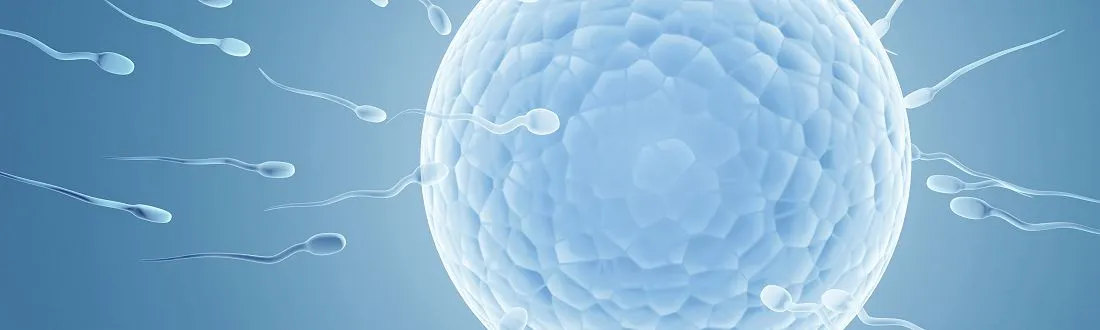
- Sperm motility. CoQ10 is concentrated in the sperm midpiece, where it powers the tail's swimming motion. Supplementation has been shown to improve sperm motility.
- Egg quality. Research has shown improved egg quality in women supplementing CoQ10, particularly when combined with DHEA.
3. Fertility benefits
CoQ10 is one of the most evidence-based fertility supplements for older women, women with poor egg quality, women with low AMH, and men with poor sperm motility. Statins reduce body CoQ10 levels and can affect both egg and sperm quality — couples on statins should discuss CoQ10 supplementation with their doctor.
4. Recommended daily dose
I recommend a daily dose of 600 mg of CoQ10 for women with poor egg quality, low AMH or over 35, and for men with poor sperm motility. The active form, ubiquinol, is better absorbed at lower doses (200–300 mg per day) and is preferable for older women.
Take CoQ10 with food containing some fat for best absorption.
5. Food sources
CoQ10 is found in:
- Meat (especially heart, liver and kidney)
- Fish (sardines, mackerel)
- Eggs
- Whole grains
- Nuts (peanuts, walnuts, sesame)
- Spinach, broccoli and cauliflower
Dietary CoQ10 intake is small relative to therapeutic doses — supplementation is needed for fertility-relevant doses.
6. Cautions and contraindications
- CoQ10 is generally very safe and well-tolerated.
- It can mildly thin the blood — discuss with your doctor if you take warfarin or other anticoagulants.
- Take with food for best absorption.
- Always consult with a fertility specialist or your doctor before starting any new supplement regime.
7. My Fertility Guide
My Fertility Guide by Dr (TCM) Attilio D’Alberto is a comprehensive, evidence-based guide to natural conception, based on over 350 peer-reviewed research studies and 25 years of clinical experience. It blends cutting-edge science with the proven theories of traditional Chinese medicine to give you a complete, practical and easy-to-understand resource for improving your fertility.
The book covers the menstrual cycle and how to identify your fertile window, how to improve egg quality and sperm quality, optimising your diet, lifestyle and environment for conception, evidence-based supplements for both men and women, the most common fertility conditions including PCOS, endometriosis and low AMH, and the role of acupuncture and Chinese herbal medicine in improving fertility outcomes. Available in paperback, Kindle and ebook from Amazon, Waterstones and all major bookshops.
Once you conceive — My Pregnancy Guide by Dr (TCM) Attilio D’Alberto is the companion week-by-week guide to a healthy pregnancy and labour, combining evidence-based medicine with traditional Chinese medicine.
8. Related pages
- Fertility supplements directory
- Ubiquinol — the active form of CoQ10
- Alpha lipoic acid
- Vitamin E
- Melatonin
- PQQ (pyrroloquinoline quinone)
- DHEA
- Low AMH level
- Male infertility















