



Vitamin E for fertility
On this page
- What is vitamin E?
- Function and how it works
- Fertility benefits
- Recommended daily dose
- Food sources
- Cautions and contraindications
- My Fertility Guide
- Related pages
1. What is vitamin E?
Vitamin E is a fat-soluble vitamin and one of the body's most important antioxidants. It exists in eight forms (alpha-, beta-, gamma- and delta-tocopherol and the corresponding tocotrienols), with alpha-tocopherol being the most biologically active. Vitamin E protects cell membranes from oxidative damage and works synergistically with vitamin C — vitamin C regenerates oxidised vitamin E, allowing both antioxidants to work together.
Reference ranges and recommended intakes vary from country to country — always interpret guidance against the recommendations of your own healthcare authority.
2. Function and how it works
Vitamin E supports fertility through several mechanisms:
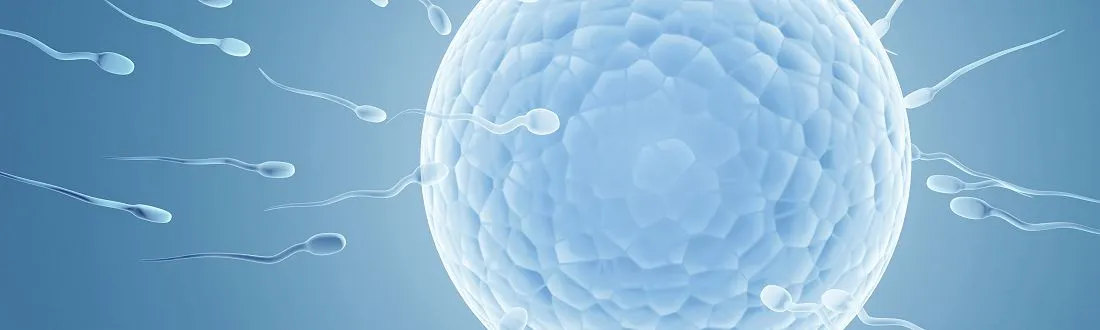
- Antioxidant protection. Vitamin E protects egg cells, sperm cells and their DNA from free-radical damage.
- Cell membrane integrity. Vitamin E maintains the lipid membranes of sperm and egg cells, supporting fertilisation.
- Antibody production. Vitamin E supports immune function, including the immune balance required for implantation.
- Reduces oxidative stress. By reducing oxidative damage, vitamin E supports IVF success rates and sperm quality.
3. Fertility benefits
Research has shown that vitamin E is particularly beneficial for men with poor sperm motility and for couples experiencing fertilisation problems in IVF. By protecting the lipid membranes of sperm and the egg, vitamin E supports healthy fertilisation. Vitamin E also benefits the uterine lining and may help with thin endometrium.
4. Recommended daily dose
I recommend a daily dose of:
- 12–15 mg for women trying to conceive (typically obtained from a good prenatal supplement).
- 100–400 mg for men with poor sperm motility (under professional supervision).
Note that high vitamin E intake (above 400 mg/day) in the luteal phase can theoretically block progesterone, so women should not exceed normal supplementation doses after ovulation.
5. Food sources
Vitamin E is found in:
- Wheat germ oil (the richest source)
- Sunflower seeds and sunflower oil
- Almonds, hazelnuts, walnuts and pecans
- Eggs
- Spinach and other leafy greens
- Brussels sprouts
- Avocados
- Butter
6. Cautions and contraindications
- Vitamin E has mild blood-thinning effects — do not combine high-dose vitamin E with anticoagulant medications without medical supervision.
- Stop vitamin E at least two weeks before any planned surgery.
- Excess vitamin E in the luteal phase may interfere with progesterone — stick to the recommended dose.
- Always consult with a fertility specialist or your doctor before starting any new supplement regime.
7. My Fertility Guide
My Fertility Guide by Dr (TCM) Attilio D’Alberto is a comprehensive, evidence-based guide to natural conception, based on over 350 peer-reviewed research studies and 25 years of clinical experience. It blends cutting-edge science with the proven theories of traditional Chinese medicine to give you a complete, practical and easy-to-understand resource for improving your fertility.
The book covers the menstrual cycle and how to identify your fertile window, how to improve egg quality and sperm quality, optimising your diet, lifestyle and environment for conception, evidence-based supplements for both men and women, the most common fertility conditions including PCOS, endometriosis and low AMH, and the role of acupuncture and Chinese herbal medicine in improving fertility outcomes. Available in paperback, Kindle and ebook from Amazon, Waterstones and all major bookshops.
Once you conceive — My Pregnancy Guide by Dr (TCM) Attilio D’Alberto is the companion week-by-week guide to a healthy pregnancy and labour, combining evidence-based medicine with traditional Chinese medicine.
8. Related pages
- Fertility supplements directory
- Vitamin C — works synergistically with vitamin E
- Alpha lipoic acid
- Coenzyme Q10
- Selenium
- Sperm DNA fragmentation
- Male infertility















