




Manganese for fertility
On this page
- What is manganese?
- Function and how it works
- Fertility benefits
- Recommended daily dose
- Food sources
- Cautions and contraindications
- My Fertility Guide
- Related pages
1. What is manganese?
Manganese is an essential trace element involved in the activity of many enzymes. It plays roles in the production of fertility hormones, antioxidant defence, blood clotting and the metabolism of carbohydrates and amino acids. A deficiency is related to symptoms that overlap with TCM Blood deficiency — poor memory, brittle nails and hair, and infertility.
Reference ranges and recommended intakes vary from country to country — always interpret guidance against the recommendations of your own healthcare authority.
2. Function and how it works
Manganese supports fertility through:
- Hormone production. Manganese is involved in the synthesis of fertility hormones, including those produced by the ovaries.
- Antioxidant defence. Manganese is part of mitochondrial superoxide dismutase (Mn-SOD), an antioxidant enzyme that protects cellular energy production from oxidative damage.
- Blood clotting. Manganese contributes to normal coagulation, working with vitamin K.
- Bone formation. Manganese is required for the formation of bone matrix.
- Cartilage and connective tissue. Manganese supports the production of glycosaminoglycans, important in joint and reproductive tissue health.
3. Fertility benefits
Adequate manganese supports hormone production, antioxidant defence and the cellular energy production needed for healthy egg and sperm cells. Most people obtain enough manganese from food, but it is included in good prenatal supplements as part of a comprehensive approach.
4. Recommended daily dose
I recommend a daily dose of 2 mg of manganese, typically obtained as part of a good-quality prenatal supplement.
5. Food sources
Manganese is found in:
- Whole grains (brown rice, oats)
- Black tea
- Nuts and seeds (especially hazelnuts and pecans)
- Pineapple
- Green leafy vegetables
- Beans and pulses
- Eggs
- Milk
6. Cautions and contraindications
- Manganese is generally well-tolerated at dietary doses.
- High doses (above 11 mg per day long-term) can affect the nervous system — do not exceed recommended doses without medical supervision.
- People with chronic liver disease may accumulate manganese and should be cautious about supplementation.
- Always consult with a fertility specialist or your doctor before starting any new supplement regime.
7. My Fertility Guide
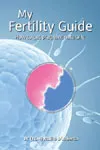
My Fertility Guide by Dr (TCM) Attilio D’Alberto is a comprehensive, evidence-based guide to natural conception, based on over 350 peer-reviewed research studies and 25 years of clinical experience. It blends cutting-edge science with the proven theories of traditional Chinese medicine to give you a complete, practical and easy-to-understand resource for improving your fertility.
The book covers the menstrual cycle and how to identify your fertile window, how to improve egg quality and sperm quality, optimising your diet, lifestyle and environment for conception, evidence-based supplements for both men and women, the most common fertility conditions including PCOS, endometriosis and low AMH, and the role of acupuncture and Chinese herbal medicine in improving fertility outcomes. Available in paperback, Kindle and ebook from Amazon, Waterstones and all major bookshops.
Once you conceive — My Pregnancy Guide by Dr (TCM) Attilio D’Alberto is the companion week-by-week guide to a healthy pregnancy and labour, combining evidence-based medicine with traditional Chinese medicine.















