




Epilepsy — acupuncture, Chinese medicine and supportive care
By Dr (TCM) Attilio D'Alberto | Traditional Chinese Medicine Practitioner, Wokingham, Berkshire
Epilepsy affects around 600,000 people in the UK — roughly one in 100 — and is one of the most common serious neurological conditions. Modern anti-seizure medication, when prescribed and adhered to correctly, achieves seizure freedom in around 70% of patients. The remaining 30% — people with drug-resistant or refractory epilepsy — carry a meaningful ongoing burden, with implications for safety, independence, employment, mood and quality of life. This article covers what epilepsy is, the conventional treatment framework under NICE NG217, and the honest position of acupuncture and Chinese medicine: not a substitute for anti-seizure medication, never appropriate as primary epilepsy treatment, but with a meaningful supportive role in managing the broader burden of the condition — sleep, mood, anxiety, fatigue, medication side effects and the constitutional patterns that the TCM tradition has long associated with the Wind disorders.
On this page
- What is epilepsy?
- Seizure types
- Seizure first-aid
- Causes and triggers
- Diagnosis
- Conventional treatment under NICE NG217
- Refractory epilepsy — the harder cases
- The TCM view — Wind disorders, Phlegm and Liver
- Acupuncture — what the evidence supports
- Chinese herbs — honest caveats
- Diet and lifestyle
- Mood, sleep and the wider burden
- SUDEP and safety
- Cautions and what TCM cannot replace
- When to see a practitioner
- Frequently asked questions
- Related reading
- References
1. What is epilepsy?
Epilepsy is a neurological condition characterised by recurrent seizures — brief episodes of abnormal, synchronised electrical activity in the brain. A single seizure does not make a diagnosis; epilepsy is defined as a tendency to recurrent unprovoked seizures, usually after two or more such events. Around 600,000 people in the UK live with epilepsy, around 1% of the population, with peaks of new diagnosis in childhood and in older adults.
Epilepsy is not one disease but many. Over a hundred distinct epilepsy syndromes are recognised, varying in cause, seizure type, age of onset, response to treatment and prognosis. Some are genetic, some structural (from stroke, head injury, tumour or malformation), some metabolic, some autoimmune and some — perhaps a third of cases — have no identified cause.
2. Seizure types
Modern classification (International League Against Epilepsy 2017) divides seizures by where they start in the brain:
Focal-onset seizures
Start in one specific area of the brain. Sub-classified into:
- Focal aware seizures (previously “simple partial”) — the person remains aware. Symptoms depend on where in the brain the seizure starts — sensory disturbance, motor symptoms, emotional or cognitive changes, or unusual experiences (déjà vu, fear, rising epigastric sensation in temporal lobe epilepsy).
- Focal impaired awareness seizures (previously “complex partial”) — awareness is altered or lost. Often with automatisms (lip-smacking, fiddling movements, repeated phrases). Last 30 seconds to a few minutes.
- Focal-to-bilateral tonic-clonic seizures — start focally and spread to involve both sides of the brain, producing a generalised convulsion.
Generalised-onset seizures
Start in both halves of the brain simultaneously:
- Tonic-clonic seizures (the classical “grand mal”) — sudden loss of consciousness, body stiffening, then rhythmic jerking; lasting 1–3 minutes, followed by post-ictal drowsiness and confusion.
- Absence seizures (the classical “petit mal”) — brief 5–30 second episodes of staring with loss of awareness, often unrecognised in children; can occur many times daily.
- Myoclonic seizures — brief shock-like jerks, often on waking
- Atonic seizures — sudden loss of muscle tone with falls; particularly difficult to manage
- Tonic seizures — sustained muscle stiffening
Status epilepticus
A medical emergency: a seizure lasting longer than 5 minutes or recurring seizures without recovery between them. Needs urgent treatment — usually intravenous benzodiazepine, with further escalation if needed. Call 999.
3. Seizure first-aid
For a generalised tonic-clonic (convulsive) seizure:
- Stay calm and note the time
- Move dangerous objects out of the way
- Cushion the head with something soft
- Do not restrain the person or put anything in the mouth
- Loosen tight clothing around the neck
- When the convulsion stops, turn them on their side (recovery position)
- Stay with them until they are fully recovered
- Call 999 if: the seizure lasts more than 5 minutes; another seizure starts before recovery; the person is injured during the seizure; this is a first seizure; the person has breathing difficulty after the seizure; or you are unsure
For focal seizures with altered awareness, the person may wander or behave oddly. Gently guide them away from danger; do not restrain unless safety requires it; speak calmly. Stay with them through the post-ictal period.
4. Causes and triggers
Causes (underlying)
- Genetic — the largest single cause, particularly in childhood-onset epilepsies
- Structural — stroke, head injury, brain tumour, congenital brain malformations, hippocampal sclerosis
- Infectious — previous meningitis, encephalitis, cerebral malaria, neurocysticercosis
- Metabolic — certain inherited metabolic disorders
- Autoimmune — increasingly recognised; autoimmune encephalitides
- Unknown cause — in around a third of cases, no specific cause is identified
Triggers (precipitating individual seizures)
- Missed anti-seizure medication — the single most common trigger
- Sleep deprivation — the second most common
- Alcohol — both excessive intake and withdrawal
- Recreational drugs
- Acute illness — fever, infection
- Hormonal changes — catamenial epilepsy (menstrual cycle-related), pregnancy
- Stress and strong emotion
- Flashing lights — in photosensitive epilepsy (around 3% of patients with epilepsy)
- Hypoglycaemia, electrolyte disturbance
- Some medications — including some antibiotics (quinolones), antidepressants (bupropion in particular), antipsychotics, tramadol
5. Diagnosis
Epilepsy diagnosis is principally clinical and rests on:
- Detailed history — from the patient and any witness; the description of events is critical and often more informative than any test
- EEG (electroencephalogram) — can show epileptiform activity but a normal EEG does not exclude epilepsy and an abnormal EEG without seizures does not confirm it
- Brain imaging — MRI is the investigation of choice; identifies structural causes
- Blood tests — to exclude metabolic causes and provoking factors
- Specialist epilepsy clinic assessment — for diagnosis confirmation, syndrome identification and treatment planning
- Video-EEG and prolonged ambulatory EEG — for difficult cases
Differential diagnoses include syncope (fainting, particularly cardiac), non-epileptic attack disorder (psychogenic, often associated with significant psychological trauma; needs different specialist input), transient ischaemic attacks, migraines and panic attacks. Misdiagnosis in both directions is well documented and harmful; specialist assessment is the standard of care.
6. Conventional treatment under NICE NG217
NICE NG217 (Epilepsies in children, young people and adults, published 27 April 2022, last updated January 2025) provides the UK framework.
Anti-seizure medication (ASM)
The cornerstone of treatment. Around 70% of patients become seizure-free on a single appropriate ASM. Choice depends on seizure type, syndrome, age, sex, comorbidities and other medications. Common first-line options include:
- Lamotrigine — broad-spectrum, well-tolerated; first-line for many adult focal and generalised epilepsies; particularly favoured in women of childbearing age
- Levetiracetam — broad-spectrum; rapid titration; common psychiatric side effect (mood, irritability)
- Sodium valproate — used in TCM practice for many generalised epilepsies but with significant teratogenicity; restricted use in women of childbearing potential under MHRA Pregnancy Prevention Programme
- Carbamazepine and oxcarbazepine — first-line for focal seizures; some interactions and side effects
- Lacosamide, perampanel, brivaracetam, eslicarbazepine — newer options for focal epilepsy
- Ethosuximide — for childhood absence epilepsy
Important practical points
- Medication adherence is the single most important determinant of seizure control
- Some ASMs interact significantly with hormonal contraception, anticoagulants and many other drugs
- Pregnancy planning is essential — some ASMs are highly teratogenic; switching should be done with specialist input and well in advance
- Driving regulations — seizure freedom of 6–12 months is typically required for the DVLA; longer for some vocational licences
7. Refractory epilepsy — the harder cases
Around 30% of patients have drug-resistant (refractory) epilepsy — defined as failure to achieve seizure freedom on adequate trials of two appropriate ASMs. The available approaches:
- Epilepsy surgery — for selected patients with a clear surgically-treatable focus; can produce dramatic improvements including seizure freedom
- Vagus nerve stimulation (VNS) — implanted device delivering intermittent stimulation; reduces seizure frequency in many patients
- Deep brain stimulation (DBS) — increasingly used in refractory cases
- Ketogenic and modified Atkins diets — particularly useful in childhood epilepsies; some evidence in adults
- Cannabidiol (Epidyolex) — licensed in the UK for specific severe childhood epilepsies (Dravet, Lennox-Gastaut, tuberous sclerosis-associated)
- Newer ASMs and combination therapy
It is in the refractory population that the supportive role of TCM, when appropriately positioned, is most valuable — not for seizure control, which is the role of medical and surgical treatment, but for the burden the condition leaves behind.
8. The TCM view — Wind disorders, Phlegm and Liver
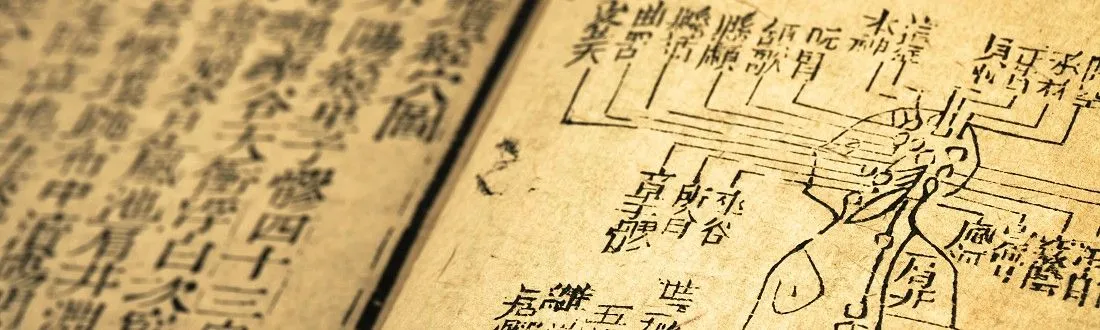
Traditional Chinese medicine has classified seizure disorders for over two millennia under the broad category of Dian Xian (epilepsy/seizure disorders). The classical framework draws principally on the concepts of Wind, Phlegm, Liver and Heart, and offers a constitutional understanding rather than a substitute for modern diagnosis. The classical patterns:
- Liver Wind — the foundational TCM concept in seizure disorders. Wind in TCM produces sudden, changeable, convulsive movement; Liver Wind specifically arises from Liver Yang rising, Liver Heat or Liver Blood deficiency. This pattern maps onto the seizure presentation more directly than any other historical correspondence.
- Phlegm misting the orifices — for the altered-awareness component of seizures; the “orifices” in TCM are the cognitive and sensory apertures of the brain, and Phlegm obstructing them produces confusion, altered consciousness and, in extreme form, the post-ictal stupor.
- Phlegm-Wind — the combined pattern; the foundational pattern in classical epilepsy descriptions.
- Heart and Shen disturbance — the Heart houses the Shen (consciousness, spirit) in TCM; disturbance of the Shen contributes to both the seizures themselves and the post-ictal psychological symptoms.
- Kidney Essence deficiency — the underlying constitutional weakness pattern, particularly in genetic and developmental epilepsies; Kidney Essence nourishes the brain (the Sea of Marrow) and its deficiency produces neurological vulnerability.
- Blood stasis in the brain — the TCM correlate of post-traumatic or post-stroke epilepsy.
- Liver Blood deficiency — an under-recognised pattern, particularly in women with catamenial (menstrual-cycle-related) epilepsy.
The classical TCM treatment principle — calm Liver Wind, resolve Phlegm, open the orifices, calm the Shen, support Kidney Essence and move Blood stasis where present — offers a useful constitutional framework. It does not replace anti-seizure medication; it works in parallel, addressing the broader constitutional dimensions that conventional treatment does not target.
9. Acupuncture — what the evidence supports
The acupuncture-for-epilepsy literature is mixed. A Cochrane review (Cheuk and Wong, last updated 2014) found insufficient evidence to support acupuncture as a primary treatment for epilepsy. Several more recent Chinese-language systematic reviews suggest modest add-on benefit in refractory cases, but methodological quality is variable. The honest position:
- Acupuncture is not a primary treatment for epilepsy and should never replace anti-seizure medication.
- It has a meaningful supportive role in managing the broader burden:
- Sleep disturbance — one of the most common comorbidities
- Anxiety and depression — significantly more common in epilepsy than in the general population
- Medication side effects — fatigue, cognitive blunting, mood symptoms
- Post-ictal recovery support
- Stress regulation — relevant where stress is a clear seizure trigger
- Constitutional support and broader quality of life
- It may modestly reduce seizure frequency in some patients as part of a broader integrative approach — but the evidence is not strong enough to claim this as a reliable effect.
Points commonly used in epilepsy presentations include GV20 (Baihui, the vertex point), GV24 (Shenting), Sishencong (the “four spirits” surrounding the vertex) for the cognitive and Shen-calming dimension; HT7 (Shenmen), PC6 (Neiguan), Yintang and Anmian for sleep, anxiety and Shen disturbance; LV2 (Xingjian), LV3 (Taichong) and GB20 (Fengchi) for Liver Wind and Yang rising patterns; ST40 (Fenglong) for Phlegm; KD3 (Taixi) and KD7 (Fuliu) for constitutional Kidney support. Scalp acupuncture is sometimes used in some integrative protocols, with mixed evidence.
10. Chinese herbs — honest caveats
Chinese herbal medicine for epilepsy needs particular caution. Several classical herbs traditionally used in seizure disorders — notably containing Aconitum, Strychnos, mineral preparations and others — are toxic and have caused serious harm in historical and modern use. Reputable Chinese herbal practice avoids these entirely. More importantly, several anti-seizure medications interact significantly with commonly used Chinese herbs through cytochrome P450 induction or inhibition.
Herbal protocols that have a reasonable safety profile and some clinical use in epilepsy supportive care include:
- Ding Xian Wan (Arrest Seizures Pill) — the classical formula for the Phlegm-Wind pattern; used as a supportive formula, not a substitute for ASM
- Tian Ma Gou Teng Yin — for Liver Yang rising patterns
- Wen Dan Tang — for Phlegm-Heat patterns with sleep disturbance and anxiety
- Liu Wei Di Huang Wan — for Kidney Yin deficiency presentations, particularly in adolescents and adults with primary generalised epilepsy
- Xiao Yao San — for the Liver Qi stagnation pattern with mood symptoms and catamenial pattern
- Gan Mai Da Zao Tang — gentle Heart-Spleen formula for anxiety, sleep disturbance and mood support
All herbs prescribed at this clinic are pharmaceutical-grade granules from Sun Ten in Taiwan, within individually-tailored formulae. Herbal treatment in epilepsy must always be coordinated with the neurologist or epilepsy nurse — medication interactions are real and potentially serious. I check this on every prescription and recommend that patients on ASMs inform their epilepsy team about any herbal treatment.
11. Diet and lifestyle
Several lifestyle factors have meaningful effects on seizure control:
- Sleep — consistent sleep schedule, adequate duration, treatment of sleep apnoea where present. Sleep deprivation is one of the most consistent seizure triggers; sleep hygiene work is one of the most under-prescribed interventions.
- Medication adherence — missed doses are the single most common reason for breakthrough seizures. Routines, pill organisers, alarm reminders all help.
- Limit alcohol — both intake and withdrawal can trigger seizures; the relationship is dose-dependent.
- Avoid recreational drugs — particularly stimulants and tramadol
- Stress regulation — breathing, mindfulness, yoga (gentle styles), tai chi, qi gong
- Regular gentle exercise — benefits sleep, mood and general health; some patients with photosensitive epilepsy need attention to flashing-light exposure during cycling outdoors and certain gym environments
- Ketogenic and modified Atkins diet — well-evidenced in childhood refractory epilepsy and increasingly used in adults; needs specialist dietetic supervision
- From a TCM perspective — reduce Phlegm-Damp-generating foods (rich greasy food, dairy, refined sugar, fried food, alcohol); favour foods that support Liver Blood and calm Wind (dark leafy greens, walnuts, eggs in moderation, black sesame); maintain regular warm meals to support Spleen function.
- Catamenial epilepsy — cycle tracking and hormonal awareness; some patients benefit from cycle-aware lifestyle and pharmacological support
12. Mood, sleep and the wider burden
Epilepsy carries a significantly higher burden of depression, anxiety and sleep disturbance than the general population. These are not just psychological reactions to the condition — they share underlying brain mechanisms and meaningfully affect quality of life and seizure control:
- Depression rates are 2–3 times higher in epilepsy than in the general population
- Anxiety rates are around twice as high
- Sleep disturbance is multi-factorial: medication effects, nocturnal seizures, stress, comorbid mood symptoms
- Memory and cognitive complaints are common, partly from the condition, partly from medication, partly from sleep and mood effects
- Stigma and reduced social participation contribute
These dimensions are where TCM, acupuncture and supportive care have the most useful role — addressing what conventional treatment does not always reach. Anxiety, depression and insomnia in epilepsy all respond to the standard TCM approaches, with pattern modification for the epilepsy context.
13. SUDEP and safety
Sudden Unexpected Death in Epilepsy (SUDEP) is a rare but devastating outcome — an unexplained death in a person with epilepsy, often in sleep, with no other identified cause. The annual risk is around 1 in 1,000 in the general epilepsy population but several-fold higher in uncontrolled tonic-clonic seizures. Risk reduction:
- Medication adherence — the single most important factor
- Reducing tonic-clonic seizure frequency
- Sleep position and nocturnal supervision in high-risk patients
- Specialist epilepsy review for refractory cases — including surgical assessment, VNS, ketogenic diet consideration
- Open discussion with the patient and family about the risk — uncomfortable but recommended by NICE
14. Cautions and what TCM cannot replace
- Anti-seizure medication is essential and must not be substituted with herbal treatment. Stopping or reducing ASMs to try herbal alternatives risks status epilepticus and death.
- A first seizure needs urgent medical assessment. Any new seizure or recurrent seizures in someone without diagnosed epilepsy needs A&E or urgent doctor review.
- Status epilepticus — seizure lasting over 5 minutes or recurring seizures without recovery — is a medical emergency. Call 999.
- Herb-drug interactions — multiple Chinese herbs interact with anti-seizure medication; never start herbal treatment without informing the epilepsy team and the herbalist seeing the full medication list.
- Avoid all toxic herbs — Aconitum, Strychnos and others historically used for seizure disorders are unsafe; reputable practice does not use them.
- Pregnancy — epilepsy in pregnancy needs specialist input; some ASMs are highly teratogenic; some herbs are contraindicated; integrative care must be coordinated with the obstetric and epilepsy teams.
- Driving — the DVLA has specific rules for seizure freedom and medication; do not adjust medication without specialist input.
- Non-epileptic attack disorder (NEAD) — needs different treatment than epilepsy; getting the diagnosis right matters more than choosing an intervention.
15. When to see a practitioner
Reasonable indications to consider TCM support in epilepsy include:
- Diagnosed epilepsy on anti-seizure medication with ongoing burden of fatigue, mood symptoms, sleep disturbance or medication side effects
- Refractory epilepsy with multiple failed ASMs, where the supportive role of TCM is wanted alongside specialist care
- Catamenial (menstrual cycle-related) epilepsy with clear cyclical pattern
- Post-stroke or post-traumatic epilepsy where the constitutional pattern (Blood stasis, Kidney deficiency) can be addressed
- Anxiety, depression and quality-of-life support in established epilepsy
- Carer support — family members carry significant strain
I see patients with epilepsy at my Wokingham, Berkshire clinic and offer online herbal consultations for patients elsewhere in the UK. Treatment is always positioned as supportive alongside specialist neurological care, never as a substitute for anti-seizure medication.
16. Frequently asked questions
Can acupuncture cure epilepsy?
No. There is no evidence that acupuncture helps with epilepsy or substitutes for anti-seizure medication. Its role is supportive — addressing sleep, mood, fatigue, anxiety, medication side effects and constitutional patterns — alongside conventional treatment.
Can I stop my anti-seizure medication if I start TCM?
No. Stopping anti-seizure medication risks status epilepticus, hospitalisation and death. Any change to ASMs must only happen under the supervision of the neurologist or epilepsy team, and is uncommon outside specific circumstances (long seizure freedom, planned medication withdrawal).
Is acupuncture safe for someone with epilepsy?
Yes. Acupuncture is essentially never contraindicated by epilepsy and there are no significant interactions with anti-seizure medication. It is one of the safest supportive options available.
What about cannabidiol (CBD)?
Pharmaceutical CBD (Epidyolex) is licensed in the UK for specific severe childhood epilepsies. Over-the-counter CBD oil is not equivalent — doses are much lower, quality is variable, and the evidence in adult epilepsy is limited. Discuss any CBD use with your epilepsy team because of interactions with several ASMs.
Will Chinese herbs interact with my epilepsy medication?
Some will, meaningfully. Several Chinese herbs affect cytochrome P450 enzymes that metabolise many ASMs, potentially altering blood levels and seizure control. Always tell your herbalist about all medications, and tell your epilepsy team about any herbal treatment. A reputable herbalist will check interactions before prescribing.
Does stress really trigger seizures?
For many patients, yes. Stress is one of the most commonly reported triggers, mediated through sleep disruption, autonomic changes and hormonal effects. Stress regulation work — breathing, mindfulness, gentle exercise, acupuncture, where appropriate counselling — can meaningfully reduce seizure frequency in some patients.
17. Related reading
- Anxiety
- Depression
- Insomnia
- Multiple sclerosis — acupuncture and Chinese medicine
- Dementia — acupuncture and Chinese medicine
- Tai chi for falls prevention
- Acupuncture
- Chinese herbal medicine
18. References
- National Institute for Health and Care Excellence. Epilepsies in children, young people and adults. NICE guideline NG217. Published 27 April 2022; last updated January 2025. nice.org.uk/guidance/ng217
- Cheuk DK, Wong V. Acupuncture for epilepsy. Cochrane Database of Systematic Reviews 2014, Issue 5. Art. No.: CD005062.
- Fisher RS, Cross JH, French JA, et al. Operational classification of seizure types by the International League Against Epilepsy. Epilepsia. 2017 Apr;58(4):522–530.
- Devinsky O, Vezzani A, O’Brien TJ, et al. Epilepsy. Nat Rev Dis Primers. 2018 May 3;4:18024.
- Kanner AM, Bicchi MM. Antiseizure Medications for Adults With Epilepsy: A Review. JAMA. 2022 Apr 5;327(13):1269–1281.
- Epilepsy Action UK. Resources on living with epilepsy. epilepsy.org.uk
This article is for general information and does not constitute medical advice. Epilepsy requires specialist medical assessment. Never adjust anti-seizure medication without specialist input. Always consult a qualified healthcare practitioner before changing treatment.















