

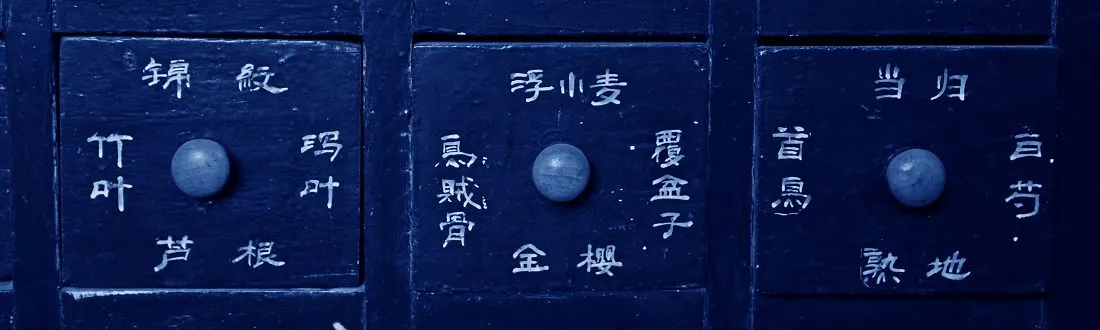
Mài Mén Dōng (麦门冬) — Ophiopogon Tuber (Lilyturf Root)
On this page
- Overview
- Properties
- Actions and indications
- Key formulas
- Modern research
- Incompatibilities
- Cautions and contraindications
- Treatment at my clinic
1. Overview
Mài Mén Dōng (麦门冬) — Ophiopogon japonicus — is known in English as Ophiopogon tuber / Lilyturf root. It belongs to the category of Yin tonics in the Chinese Materia Medica and is one of the most important and widely prescribed herbs in traditional Chinese medicine (TCM). It is used in Chinese herbal medicine both as a component of classical herbal formulas and as a significant individual herb in tailored prescriptions.
I prescribe Mài Mén Dōng as part of bespoke herbal formulas from pharmaceutical-grade granules sourced from Sun Ten in Taiwan — independently tested to the highest international quality and safety standards. Herbs are never prescribed individually outside a properly balanced formula; they are always combined with other herbs selected to match the patient’s individual TCM pattern. Online consultations are available for patients who cannot attend my clinic in person.
2. Properties
| Pinyin name | Mài Mén Dōng |
|---|---|
| Chinese characters | 麦门冬 |
| Latin name | Ophiopogon japonicus |
| English name | Ophiopogon tuber / Lilyturf root |
| Nature | Slightly cold |
| Flavour | Sweet, slightly bitter |
| Channels entered | Heart, Lung, Stomach |
| Category | Yin tonics |
3. Actions and indications
Principal actions
- Nourishes Lung Yin and moistens the Lungs
- Nourishes Stomach Yin and generates Body Fluids
- Clears Heat from the Heart and eliminates irritability
- Moistens the Intestines
Indications
- Lung Yin deficiency with dry cough, scanty sputum and dry throat
- Stomach Yin deficiency with dry mouth, thirst, hunger and constipation
- Heart Yin deficiency with insomnia, restlessness, palpitations and anxiety
- Febrile disease with damage to Body Fluids
- Diabetes (wasting and thirsting pattern) from combined Qi and Yin deficiency
- Postpartum deficiency with thirst and dry stools
- Long COVID — restores Lung and Stomach Yin depleted by the illness
4. Key formulas containing Mài Mén Dōng
Mài Mén Dōng is an ingredient in many classical formulas. The following are among the most important:
See the full Chinese herbal medicine formula directory for detailed information on all 346 formulas.
5. Modern research
Ophiopogon japonicus (Mai Men Dong) is a key Yin-nourishing herb with significant modern research. Key bioactive constituents include steroidal saponins (ophiopogonin D, D’), polysaccharides and flavonoids. Research demonstrates cardioprotective, antidiabetic, immunomodulatory, anti-inflammatory and anti-tumour effects. Ophiopogon polysaccharides have been shown to reduce blood glucose, improve insulin sensitivity and protect pancreatic beta-cells, confirming its traditional use in diabetes. The formula Sheng Mai San (Pulse-Generating Powder), which contains Mai Men Dong, is used clinically in China as a cardiac resuscitation formula and has been studied in myocardial infarction recovery. Research also confirms protective effects against chemotherapy-induced organ damage.
6. Incompatibilities
Mài Mén Dōng (麦门冬) Ophiopogon Tuber (Lilyturf Root) is not listed in either of the two classical incompatibility texts — Shi Ba Fan (Eighteen Antagonisms) or Shi Jiu Wei (Nineteen Mutual Inhibitions). As with every Chinese herb it should be prescribed only as part of a balanced formula by a registered Chinese herbalist (RCHM), who will check for interactions with any other herbs and prescription medications you are taking.
7. Cautions and contraindications
Use with caution in patients with Phlegm-Damp obstruction, as the moist nature may worsen congestion. Contraindicated in cough with copious clear sputum from Cold patterns. Generally very safe at standard doses.
Pattern contraindications
Use cautiously where Damp accumulation, Spleen Qi deficiency with loose stools, or Phlegm-Damp patterns are present — Yin tonics tend to be sweet and cloying and can aggravate Dampness if the digestive function is weak.
Modern drug interactions
Generally well tolerated. Some Yin tonics modulate the immune response — tell your doctor if you take immunosuppressant medication, biologics or chemotherapy.
Important: Chinese herbs should always be prescribed by a fully qualified herbalist who is a member of the Register of Chinese Herbal Medicine (RCHM). Never self-prescribe or self-administer Chinese herbs without professional guidance. Dr (TCM) Attilio D’Alberto is a member of the RCHM and the British Acupuncture Council with over 25 years of clinical experience.
8. Treatment at my clinic
I prescribe Mài Mén Dōng as part of tailored herbal formulas for a range of conditions including Long COVID, Insomnia, Anxiety, Digestive disorders. Every prescription is individually formulated following a full TCM assessment and adjusted throughout treatment as the pattern responds.
Online Chinese herbal medicine consultations are available for patients throughout the UK and internationally, with herbs dispensed by post. Visit the prices page for consultation fees.
Return to the Chinese herb directory or the Chinese herbal medicine main page.
Prefer to be treated from home? Chinese herbal medicine online consultations are available throughout the UK and worldwide. After a full video consultation, Dr (TCM) Attilio D'Alberto formulates a bespoke herbal prescription and posts your Chinese herbs directly to your door.















