

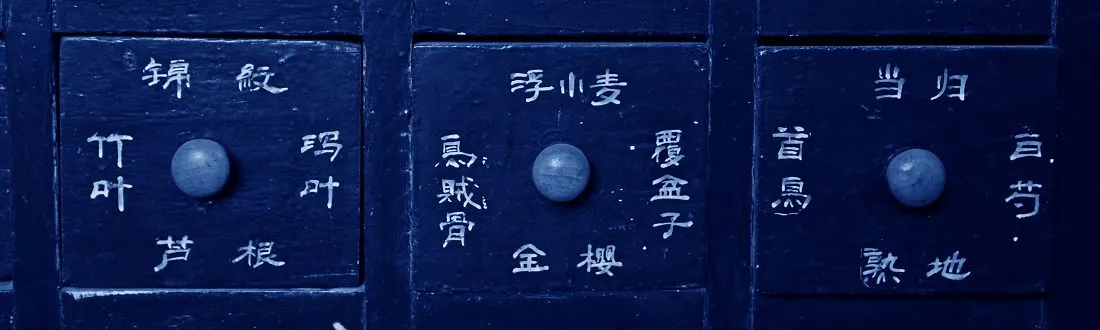
Yín Xìng Yè (银杏叶) — Ginkgo leaf / Maidenhair tree leaf
On this page
- Overview
- Properties
- Actions and indications
- Key formulas
- Modern research
- Incompatibilities
- Cautions and contraindications
- Treatment at my clinic
1. Overview
Yín Xìng Yè (银杏叶) — the leaf of Ginkgo biloba, the maidenhair tree — is one of the most widely used herbs in the modern Chinese materia medica and the most extensively researched single herb in the world. Although the ginkgo seed (Bai Guo, 白果) has been used in TCM since the Song dynasty for asthma and cough, the leaf entered formal Chinese herbal use in the twentieth century as research demonstrated its cardiovascular and cerebrovascular effects. It is now formally classified among the Herbs that invigorate Blood and unblock the collaterals and is one of the cornerstone herbs in integrative cognitive and vascular care. It is used in Chinese herbal medicine as a component of classical-style formulas and in tailored prescriptions, and it is the herb behind the most extensively studied dementia phytomedicine in the world, the standardised extract EGb 761.
I prescribe Yín Xìng Yè as part of bespoke herbal formulas from pharmaceutical-grade granules sourced from Sun Ten in Taiwan. Herbs are always combined with other herbs selected to match the patient’s individual TCM pattern. Online consultations are available for patients who cannot attend my clinic in person.
2. Properties
| Pinyin name | Yín Xìng Yè |
|---|---|
| Chinese characters | 银杏叶 |
| Latin name | Ginkgo biloba (folium) |
| English name | Ginkgo leaf / Maidenhair tree leaf |
| Nature | neutral |
| Flavour | sweet, bitter, astringent |
| Channels entered | Heart, Lung |
| Category | Herbs that invigorate the Blood |
3. Actions and indications
Principal actions
- Invigorates the Blood and unblocks the collaterals — particularly the cerebral and cardiac collaterals
- Astringes the Lung and stops cough and wheezing
- Resolves Turbidity and lowers lipids
- Nourishes the Sea of Marrow and supports cognitive function (modern use, on the basis of cerebrovascular and neuroprotective effects)
Indications
- Coronary heart disease, angina pectoris and stable ischaemic heart disease with Blood stasis pattern
- Cerebrovascular disease, post-stroke cognitive impairment, vascular dementia and Alzheimer’s disease — one of the most extensively researched indications
- Vertigo, dizziness and tinnitus from cerebral Blood stasis or microvascular insufficiency
- Memory loss and cognitive decline associated with ageing, particularly with vascular contribution
- Hyperlipidaemia, particularly elevated triglycerides and total cholesterol
- Peripheral arterial disease, intermittent claudication and Raynaud’s phenomenon
- Cough and wheezing from Lung deficiency, particularly chronic bronchitis (a use carried forward from the traditional Bai Guo indications)
4. Key formulas containing Yín Xìng Yè
Yín Xìng Yè does not appear in the classical formulas of the pre-modern Chinese materia medica, having entered Chinese herbal practice in the twentieth century. It is, however, a standard component of modern Chinese hospital preparations and integrative formulas, most prominently:
- Yin Xing Ye Pian (Ginkgo leaf tablet) — a standardised single-herb preparation widely used in Chinese hospitals for ischaemic heart disease, cerebrovascular insufficiency and cognitive impairment
- EGb 761 — the standardised European extract (24% flavone glycosides, 6% terpene lactones), the form used in nearly all Western dementia and cognition research, and the basis of the most widely sold ginkgo products internationally
- Modern integrative formulas combining Yin Xing Ye with Dan Shen, Chuan Xiong and Hong Hua for Blood-moving cerebrovascular protocols
- Combinations with Yuan Zhi and Shi Chang Pu in modern Sea-of-Marrow-replenishing and orifice-opening cognitive support formulas
See the full Chinese herbal medicine formula directory for detailed information on all 346 formulas.
5. Modern research
Ginkgo biloba leaf is the single most extensively researched phytomedicine in the world. The standardised extract EGb 761 has been the subject of hundreds of clinical trials and multiple Cochrane systematic reviews. Key bioactive constituents include flavone glycosides (quercetin, kaempferol, isorhamnetin) and unique terpene lactones (ginkgolides A, B, C, J and bilobalide). Established mechanisms include enhancement of cerebral microcirculation, antioxidant and free-radical-scavenging activity, anti-inflammatory effects, inhibition of platelet-activating factor (PAF) and neuroprotection against beta-amyloid toxicity relevant to Alzheimer’s disease.
Cochrane reviews and systematic analyses suggest modest but clinically meaningful benefits of standardised ginkgo extract in cognition and behavioural symptoms in mild-to-moderate dementia (both Alzheimer’s and vascular subtypes), with doses of 240 mg per day of EGb 761 showing the strongest effects. Evidence is also positive for intermittent claudication and Raynaud’s phenomenon. Ginkgo has been less impressive for primary prevention of dementia in cognitively normal older adults (the GuidAge and Ginkgo Evaluation of Memory trials were both negative for prevention) but retains a useful role as an adjunctive treatment in established cognitive impairment. The herb is also under investigation for tinnitus, glaucoma, peripheral arterial disease and depression with mixed but generally cautiously positive results.
6. Incompatibilities
Yín Xìng Yè (银杏叶) Ginkgo leaf is not listed in either of the two classical incompatibility texts — Shi Ba Fan (Eighteen Antagonisms) or Shi Jiu Wei (Nineteen Mutual Inhibitions), as it was not part of the traditional materia medica these texts catalogued. As with every Chinese herb it should be prescribed only as part of a balanced formula by a registered Chinese herbalist (RCHM), who will check for interactions with any other herbs and prescription medications you are taking.
7. Cautions and contraindications
Yin Xing Ye has a meaningful antiplatelet effect through inhibition of platelet-activating factor (PAF). Avoid in patients with bleeding disorders, before surgery (stop at least 14 days pre-operatively) and during pregnancy. Caution in elderly patients at risk of falls. Use with caution in seizure disorders — rare reports suggest ginkgo may lower the seizure threshold, particularly with poor-quality preparations contaminated with ginkgotoxin.
Pattern contraindications
Avoid in acute haemorrhagic conditions, including active gastrointestinal bleeding, intracerebral haemorrhage and the immediate post-haemorrhagic-stroke period. Use cautiously in Kidney Yin deficiency with empty Heat without combining with cooling and Yin-nourishing herbs.
Modern drug interactions
Important interactions to be aware of: warfarin and DOACs (apixaban, rivaroxaban, edoxaban, dabigatran) — additive bleeding risk; antiplatelets (aspirin, clopidogrel) — additive bleeding risk; NSAIDs — additive bleeding risk; anti-seizure medications — may reduce seizure threshold and alter blood levels; SSRIs and MAOIs — theoretical serotonergic interaction; thiazide diuretics — case reports of blood pressure elevation. Always tell your doctor, anaesthetist and pharmacist about ginkgo use. Stop at least 14 days before any planned surgery, dental extraction or invasive procedure.
Important: Chinese herbs should always be prescribed by a fully qualified herbalist who is a member of the Register of Chinese Herbal Medicine (RCHM). Never self-prescribe or self-administer Chinese herbs without professional guidance. Dr (TCM) Attilio D’Alberto is a member of the RCHM with over 25 years of clinical experience.
8. Treatment at my clinic
I prescribe Yín Xìng Yè as part of tailored herbal formulas for a range of conditions including dementia and cognitive decline, post-stroke cognitive impairment, tinnitus, Raynaud’s phenomenon, peripheral circulatory disorders and vascular health. Every prescription is individually formulated following a full TCM assessment and adjusted throughout treatment as the pattern responds.
Online Chinese herbal medicine consultations are available throughout the UK and internationally. Visit the prices page for consultation fees.
Return to the Chinese herb directory or the Chinese herbal medicine main page.
Prefer to be treated from home? Chinese herbal medicine online consultations are available throughout the UK and worldwide. After a full video consultation, Dr (TCM) Attilio D'Alberto formulates a bespoke herbal prescription and posts your Chinese herbs directly to your door.















