




Type 2 diabetes — a Chinese medicine perspective
By Dr (TCM) Attilio D'Alberto | Traditional Chinese Medicine Practitioner, Wokingham, Berkshire
Type 2 diabetes is one of the most common chronic conditions of modern life — affecting roughly 1 in 11 adults globally and rising sharply every year. It is also, unlike many conditions, largely a disease of diet and lifestyle rather than fate or genetics. The same factors that drive it can also be used to reverse it, particularly in the early stages. Traditional Chinese medicine has recognised and treated this pattern for over 2,000 years — describing it as Xiao Ke, the Wasting and Thirsting disorder — and its insights into the role of food, the digestive organs and the Kidneys remain remarkably relevant today.
On this page
- Why type 2 diabetes is largely a diet problem
- What is type 2 diabetes?
- The TCM view: Xiao Ke (Wasting and Thirsting)
- The three patterns — Upper, Middle and Lower Xiao
- Why Indians develop diabetes — the modern Indian diet
- Foods to avoid
- Foods that help
- Diabetes food chart at a glance
- Chinese herbal medicine
- Acupuncture
- Lifestyle and exercise
- Combining TCM with conventional treatment
- When to seek help
- Frequently asked questions
- References
1. Why type 2 diabetes is largely a diet problem
Genetics load the gun but diet pulls the trigger. The vast majority of type 2 diabetes cases are driven by decades of dietary patterns that overload the body’s ability to handle sugar and refined carbohydrate: the modern diet of bread, pasta, breakfast cereals, biscuits, sugary drinks, fruit juice, takeaways and snack foods. Visceral fat accumulates, the liver becomes fatty, the pancreas struggles, and over years the cells stop responding to insulin properly. By the time a fasting glucose test returns "diabetic" results, the underlying process has usually been in motion for 10–15 years.
The evidence that diet is the primary driver is now overwhelming:
- The DiRECT trial (Lancet 2018) — a low-calorie, structured diet put 46% of participants into full remission of type 2 diabetes within 12 months. Diet alone, no new drugs.
- Bariatric surgery reverses type 2 diabetes in 60–80% of patients — not because of the surgery itself but because of the dramatic post-operative change in food intake.
- Diet-driven epidemic — type 2 diabetes prevalence has risen sharply across India, East Asia and the Caribbean over the past 40 years as processed food, refined carbohydrate and sugary drinks have displaced traditional diets. India now has the second-highest absolute diabetes burden in the world, and Indian populations in the UK carry 3–6 times the type 2 diabetes risk of white Europeans at any given BMI. The pattern fits diet and lifestyle change, not genes alone.
- Twin studies show genetic predisposition accounts for ~30–40% of risk; environmental factors (overwhelmingly diet) account for the rest.
This is not a condition you have to live with forever. It is, in most cases, a condition created by what you eat — which means it can usually be reversed by changing what you eat.
2. What is type 2 diabetes?
Type 2 diabetes is a condition in which the body becomes resistant to insulin — the hormone that allows cells to take glucose out of the bloodstream and use it for energy. As insulin resistance worsens, the pancreas produces more and more insulin to compensate, until eventually the pancreatic cells become exhausted and insulin output falls. The result: blood glucose rises above the normal range and stays there.
Diagnostic thresholds (UK):
- HbA1c < 42 mmol/mol (< 6.0%) — normal
- HbA1c 42–47 mmol/mol (6.0–6.4%) — prediabetes
- HbA1c ≥ 48 mmol/mol (≥ 6.5%) — type 2 diabetes
- Fasting glucose ≥ 7.0 mmol/L — diabetes (on two separate measurements)
Common symptoms include excessive thirst, frequent urination (especially at night), constant hunger, unexplained weight loss in advanced cases, blurred vision, slow wound healing, recurrent thrush, dark velvety skin patches (acanthosis nigricans, often on the neck or armpits), and persistent fatigue. Many people have type 2 diabetes for years before they notice any symptoms at all.
3. The TCM view: Xiao Ke (Wasting and Thirsting)
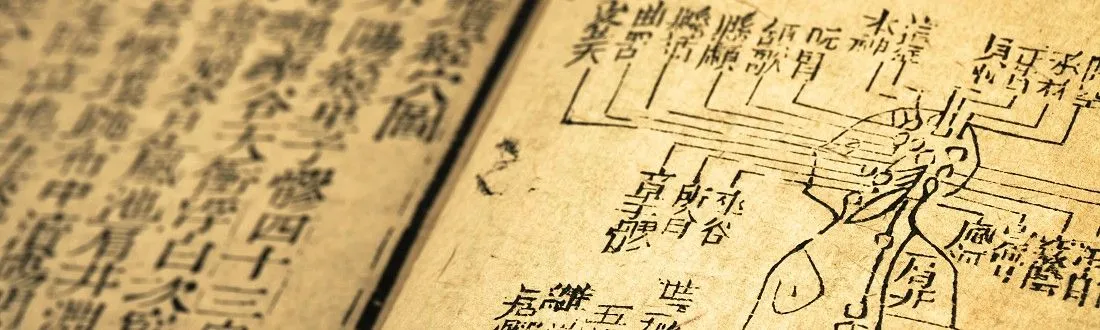
Chinese medicine has described diabetes-like syndromes since the Huang Di Nei Jing (Yellow Emperor’s Inner Canon, c. 100 BCE). The classical name is Xiao Ke (消渴) — literally "wasting and thirsting" — capturing the three cardinal symptoms recognised even then: excessive thirst, excessive hunger, and excessive urination, often accompanied by weight loss.
The TCM mechanism is built around three concepts:
- Spleen Qi deficiency — the Spleen in Chinese medicine governs digestion and the transformation of food into usable Qi. When overwhelmed by years of unsuitable food (sweet, rich, greasy, cold), it fails to transform glucose properly. Sugar accumulates in the blood rather than being converted into energy.
- Damp-Heat in the Stomach — the by-product of a Spleen that can’t cope. This creates the "excessive hunger" sensation: the appetite is constantly stimulated even when the body has more than enough fuel.
- Kidney Yin deficiency — the deeper pattern that develops as Xiao Ke progresses. The Kidneys in TCM control fluid metabolism and store the body’s essence (jing). Damaged Kidney Yin produces the classic thirst and frequent urination, and in advanced stages, the wasting away of body tissue.
Notice that this is fundamentally a model of digestive dysfunction caused by what we eat. The Spleen is damaged first, by food. The Kidneys are damaged later, by the metabolic consequences. The TCM framework was essentially saying "this is a diet problem" two thousand years before modern epidemiology arrived at the same conclusion.
4. The three patterns — Upper, Middle and Lower Xiao
Classical Chinese medicine subdivides Xiao Ke into three patterns based on which symptom dominates and which Jiao (body region) is most affected. Most people show a mix, but one usually predominates.
Upper Xiao — Lung Heat pattern
Dominant symptom: thirst. The mouth is constantly dry, the person drinks vast amounts of water but is never quite satisfied. Heat in the Lungs (which connect to the throat and mouth) consumes fluids. Tongue: red tip, thin yellow coat.
Classical formula: Xiao Ke Fang (a Lung-Yin nourishing, Heat-clearing formula).
Middle Xiao — Stomach Heat pattern
Dominant symptom: hunger. The person feels constantly ravenous, may overeat without putting on weight, and often has constipation. Stomach Heat is driving the appetite while damaging digestion. This is the most common pattern in early-stage type 2 diabetes in overweight patients. Tongue: red, yellow coat.
Classical formula: Yu Nu Jian or Bai Hu Jia Ren Shen Tang (both clear Stomach Heat and nourish Yin).
Lower Xiao — Kidney Yin deficiency pattern
Dominant symptom: frequent urination. Urine output is high — the body is essentially flushing excess glucose out through the kidneys. Low back ache, weakness in the knees, dizziness and night sweats are common. This is the more advanced stage and is often where modern type 2 diabetes patients are by the time they seek help. Tongue: red, no coat.
Classical formula: Liu Wei Di Huang Wan or its variant Qi Ju Di Huang Wan, both nourishing Kidney Yin.
5. Why Indians develop diabetes — the modern Indian diet from a TCM view
India now carries roughly 100 million people with diabetes — second only to China in absolute numbers — and the rate of new diagnoses is rising faster in India than almost anywhere else in the world. Among Indians living in the UK, the type 2 diabetes risk runs 3–6 times that of white Europeans at the same BMI, and diagnosis comes 10–15 years earlier in life. Genes alone cannot explain this: Indians lived for thousands of years without an epidemic. What has changed in the last 40–50 years is the diet.
The traditional Indian plate always relied on rice, wheat (chapati, roti) and pulses — but in earlier generations these were balanced by very high vegetable intake, daily physical labour, small portions, and modest dairy. The modern urban Indian diet has shifted dramatically:
- Large portions of refined carbohydrate — white rice, refined wheat (maida) chapatis, breads, biscuits and sugar-laden breakfast cereals
- Heavy added sugar — mithai (ladoo, gulab jamun, jalebi, barfi), sweetened chai 4–6 cups a day, soft drinks, sweet lassi, jaggery-loaded desserts
- Fried and ghee-rich foods — samosa, pakora, puri, paratha, deep-fried snacks; ghee added generously to almost everything
- Heavy use of hot pungent spices — chilli, garam masala, black pepper, cloves, ginger, mustard seed — eaten in large amounts alongside the rich oily food
- Sedentary urban lifestyle — desk jobs and car commutes replacing manual labour and walking
From a Chinese medicine viewpoint this is a near-perfect recipe for Xiao Ke. The mechanism unfolds in three stages:
- Refined carbs and sugar overload the Spleen — the central digestive organ of TCM. The Spleen cannot transform the sheer volume of sweet, sticky food and produces Damp as a by-product. Central weight gain, fatigue after meals and sugar cravings appear.
- Hot pungent spices and fried food convert Damp into Damp-Heat and drive Stomach Heat — the Middle Xiao pattern. Constant hunger, indigestion, acid reflux, a red tongue with a thick yellow coat, and a strong rapid pulse are the signs. This is the typical picture in a middle-aged Indian patient at the time of prediabetes diagnosis.
- Persistent Stomach Heat burns through fluids and consumes the deeper Kidney Yin — the Lower Xiao pattern. Frequent urination (especially at night), low back ache, weak knees, dry mouth at night, night sweats, dizziness and tinnitus appear. The Heat is no longer just in the Stomach — it has hollowed out the Kidney reserve. This is the picture in long-standing diabetes with early complications.
The progression Spleen → Stomach Heat → Kidney Yin deficiency is the same pathway described in the classical Xiao Ke texts. The modern Indian diet simply accelerates it.
Practical implications for Indian patients
- The problem is not Indian food — it is the modern high-sugar, high-refined version. A traditional thali with brown rice or millet, dahl, sabzi (especially bitter and leafy vegetables), karela, a small portion of yoghurt and one chapati is excellent. The problem is mithai every evening, sugary chai through the day, deep-fried snacks, and large portions of white rice and refined wheat.
- Karela (bitter melon) is already part of Indian cooking and is one of the most useful foods on the diabetic diet — clears Damp-Heat, lowers blood glucose. Aim for two to three servings a week.
- Watch the chai sugar. Two teaspoons of sugar in five cups of chai a day is roughly 50 g of pure sugar — more than a can of cola. Switch to unsweetened, use a tiny amount of jaggery, or move to plain green tea (which itself clears Heat in TCM).
- Mithai are not a treat in moderation — they are a daily hazard. Indian sweets are concentrated sugar plus ghee. From a TCM and a glucose-control point of view they are the single worst category in the diet for someone with prediabetes or diabetes. Reserve for genuine festivals, not weekly social occasions.
- Dial down hot spices when Stomach Heat is dominant. If your tongue is red with a yellow coat, you are constantly hungry, and you have acid reflux or indigestion, reduce chilli, garam masala, black pepper and cloves for a few weeks while the Heat clears. Use cooling and aromatic herbs instead — fresh coriander, mint, fennel seed, cardamom.
- Smaller portions of grain, larger portions of vegetable. Reverse the traditional plate — half the plate vegetable, a quarter dahl/protein, a quarter grain. The Spleen handles vegetable easily; it cannot keep up with three chapatis plus a mountain of white rice.
- Move after meals. A 15-minute walk after dinner blunts the post-meal glucose spike dramatically — particularly important after carb-heavy meals.
The encouraging point: Indian patients who shift back toward the vegetable-heavy, less-refined, less-sweet traditional pattern often see substantial HbA1c improvement within three to six months. The genes that load the gun are the same genes that loaded it for generations of healthy ancestors. It is the modern diet that pulled the trigger — and it is the diet that can put it back in the holster.
6. Foods to avoid
The single biggest intervention in type 2 diabetes is taking the foods that caused it off the plate. From a TCM perspective these are the foods that overburden the Spleen and generate Damp-Heat:
- Refined carbohydrates — white bread, pasta, rice, pastries, biscuits, crackers, breakfast cereals. These spike blood glucose fastest and hardest.
- Sugary drinks — fizzy drinks, fruit juice (including "100% pure"), energy drinks, sweetened tea/coffee. Liquid sugar bypasses satiety signals entirely.
- Sweets, chocolate, desserts and ice cream — obvious but worth stating.
- Hidden sugar — in sauces (ketchup, BBQ, sweet chilli), salad dressings, flavoured yoghurts, "low fat" products (often high in sugar to compensate), ready meals, breakfast cereals marketed as "healthy".
- Greasy and fried foods — chips, deep-fried foods, takeaways. These generate Damp.
- Cold, raw foods in excess — particularly raw salads and smoothies. TCM views these as weakening to the Spleen.
- Alcohol — particularly beer (sugar) and sweet wines/spirits. Alcohol also damages the Liver, which compounds blood sugar regulation problems.
- Ultra-processed foods generally — if it has more than 5 ingredients or ingredients you don’t recognise, treat it with caution.
7. Foods that help
Foods that strengthen the Spleen, clear Damp-Heat and nourish Kidney Yin without spiking blood glucose:
- Bitter leafy greens — rocket, watercress, dandelion, chicory, kale, spinach. The bitter flavour clears Heat in TCM and supports liver function.
- Cruciferous vegetables — broccoli, cauliflower, brussels sprouts, cabbage. Particularly good for insulin sensitivity.
- Mushrooms — shiitake, maitake, reishi. Strengthen the Spleen and support immune function.
- Bitter melon (karela) — a traditional Chinese and Indian remedy with strong evidence for lowering blood glucose. Can be eaten as a vegetable or taken as a supplement.
- Cinnamon — warming spice that improves insulin sensitivity. Add to porridge, coffee or savoury cooking.
- Beans and pulses — lentils, chickpeas, black beans, kidney beans. Complex carbs with fibre.
- Whole grains (in moderation) — oats, quinoa, brown rice, buckwheat. Better than refined but still need portion control.
- Nuts and seeds — almonds, walnuts, flaxseed, chia. Healthy fats stabilise blood glucose.
- Oily fish — salmon, mackerel, sardines. Reduce inflammation and improve insulin sensitivity.
- Apple cider vinegar — a tablespoon before meals can reduce post-meal glucose spikes.
- Green tea — clears Heat in TCM, contains EGCG which supports glucose metabolism.
- Eggs — good protein, satiating, don’t spike blood glucose.
8. Diabetes food chart at a glance
A quick-reference table for the patterns described above. Both Western and Indian items are listed. The right-hand column gives the TCM rationale — food choices are not arbitrary, they map onto the Spleen, Stomach Heat and Kidney Yin patterns of Xiao Ke.
| Food group | Avoid / minimise | Eat freely | TCM note |
|---|---|---|---|
| Grains & cereals | White rice, white bread, refined wheat (maida) chapati, naan, white paratha, pasta, breakfast cereals, biscuits, rusk | Brown / red rice (small portion), millet (ragi, bajra, jowar), oats, quinoa, buckwheat, whole-grain chapati (1–2 per meal) | Refined grain creates Damp and overloads the Spleen. Whole grain digests slower — less Spleen strain, no glucose spike. |
| Vegetables | Deep-fried vegetables (pakora, bhajia), white potato in large portions, root vegetables in excess | Leafy greens (palak, methi, mustard greens, kale, spinach), karela (bitter melon), bhindi, lauki, tinda, baingan, cucumber, tomato, cabbage, cauliflower, broccoli, courgette | Bitter and green vegetables clear Damp-Heat and Stomach Heat. Karela is the classical anti-Xiao Ke vegetable. |
| Fruit | Mango, banana (ripe), grapes, pineapple, jackfruit, chikoo, dried fruit (dates, raisins, figs), all fruit juice | Jamun (Indian blackberry — classical anti-diabetic), guava, berries, apple, pear, papaya (small), citrus, amla (Indian gooseberry) | Sweet tropical fruit floods the Spleen with sugar. Astringent / sour fruit (jamun, amla, guava) generates fluids without spiking glucose. |
| Protein | Deep-fried meat or fish, processed meat (sausage, ham, salami), creamy paneer-based gravies in large portions | Dahl (all pulses), chickpeas (chana), kidney beans (rajma), mung, eggs, fish (oily fish 2× week), skinless chicken, tofu, small paneer portion | Pulses build Spleen Qi without Damp; oily fish nourishes Kidney Yin and reduces inflammation. |
| Fats & cooking oil | Vanaspati (hydrogenated fat), reused frying oil, palm oil, excess ghee (more than 1 teaspoon per meal) | Cold-pressed mustard oil, olive oil, sesame oil, a small amount of ghee; almonds, walnuts, flaxseed, chia seed, pumpkin seed | Quality fats slow glucose absorption and stabilise blood sugar. Trans fats and reused oils generate Damp-Heat directly. |
| Dairy | Sweet lassi, flavoured yoghurt, condensed milk, sweetened khoya / khova, milk-rich kheer, sugary milk-based desserts | Plain unsweetened yoghurt (small portion), buttermilk (chaas) without sugar, small amount of plain milk | Sweetened dairy is concentrated Damp + sugar. Plain buttermilk is cooling and supports digestion. |
| Drinks | Sweetened chai, soft drinks (Coke, Limca, Thums Up), fruit juice, energy drinks, sweet lassi, sherbet, alcohol | Unsweetened chai or masala chai (no sugar), plain water, green tea, jeera (cumin) water, methi (fenugreek) water, soaked-overnight methi seed water, plain buttermilk | Liquid sugar is the single biggest hidden load. Green tea and bitter waters clear Heat and Damp. |
| Sweets & snacks | All mithai (ladoo, gulab jamun, jalebi, barfi, kheer, halwa, peda), biscuits, cake, chocolate, ice cream, namkeen, chips, samosa, pakora, vada, papdi | Roasted chana, sprout chaat, a small handful of almonds or walnuts, fresh low-GI fruit, plain yoghurt with cinnamon, boiled chickpeas with lemon | Mithai are concentrated sugar plus ghee — the worst single category. They generate Damp-Heat and Stomach Heat together. |
| Spices & herbs | When Stomach Heat dominant (red tongue + yellow coat + constant hunger): reduce chilli, garam masala, black pepper, mustard seed, cloves, hing in excess | Cinnamon, turmeric, fenugreek seeds (methi dana), coriander leaf and seed, fennel seed, cardamom, cumin, curry leaf, holy basil (tulsi) | Cinnamon and methi seed have strong blood-glucose-lowering evidence. Cooling aromatics (fennel, coriander, mint) reduce Stomach Heat. |
The plate model: half the plate non-starchy vegetable, a quarter pulses / protein, a quarter whole grain. Reverse the traditional Indian thali proportions and HbA1c will start dropping within weeks.
9. Chinese herbal medicine
Several Chinese herbs and formulas have a long traditional use for Xiao Ke and increasingly strong research support for blood-glucose-lowering action.
Key single herbs
- Huang Lian (Coptis chinensis) — one of the most-studied herbs for diabetes. Contains berberine, which has been shown in multiple clinical trials to reduce HbA1c, fasting glucose and insulin resistance comparably to metformin. Clears Damp-Heat in the Stomach.
- Tian Hua Fen (Trichosanthes root) — nourishes Stomach Yin and generates fluids. The classical herb for thirst in Xiao Ke.
- Sheng Di Huang (Rehmannia glutinosa) — nourishes Kidney Yin and cools Blood. Used in many Xiao Ke formulas.
- Mai Men Dong (Ophiopogon japonicus) — moistens dryness, useful for Upper Xiao thirst.
- Shan Yao (Chinese yam) — tonifies the Spleen, Lung and Kidney. Often included for the long-term constitutional weakness.
- Sang Ye (mulberry leaf, Morus alba) — classically clears Wind-Heat and Lung Heat, but the modern interest is metabolic. Mulberry leaf contains 1-deoxynojirimycin (DNJ), a natural alpha-glucosidase inhibitor that blunts the post-meal glucose spike from carbohydrate. Multiple human trials show meaningful reductions in post-prandial glucose and HbA1c. Taken as a tea before carb-heavy meals or as part of a formula.
Classical formulas
The formula prescribed depends on the predominant pattern:
- Stomach Heat (Middle Xiao): Yu Nu Jian or Bai Hu Jia Ren Shen Tang
- Kidney Yin deficiency (Lower Xiao): Liu Wei Di Huang Wan or Qi Ju Di Huang Wan
- Lung Heat (Upper Xiao): Xiao Ke Fang
- Damp-Heat with insulin resistance: often custom formulas combining Huang Lian, Tian Hua Fen and Spleen-tonifying herbs
Important: Chinese herbal formulas for blood glucose can interact with diabetes medications (especially metformin, sulfonylureas and insulin) and may cause hypoglycaemia if combined without monitoring. Always tell your doctor/diabetes team if you are using Chinese herbs and book treatment only with a registered Chinese herbalist (the Register of Chinese Herbal Medicine).
10. Acupuncture
Acupuncture on its own does not cure diabetes, but it is a useful adjunct. Research suggests it can:
- Improve insulin sensitivity (especially with electroacupuncture)
- Reduce stress and cortisol, which contributes to blood glucose dysregulation
- Improve sleep, another major factor in glucose metabolism
- Reduce cravings for sugar and refined carbohydrates
- Help manage diabetic neuropathy (numbness, tingling, pain in feet and hands)
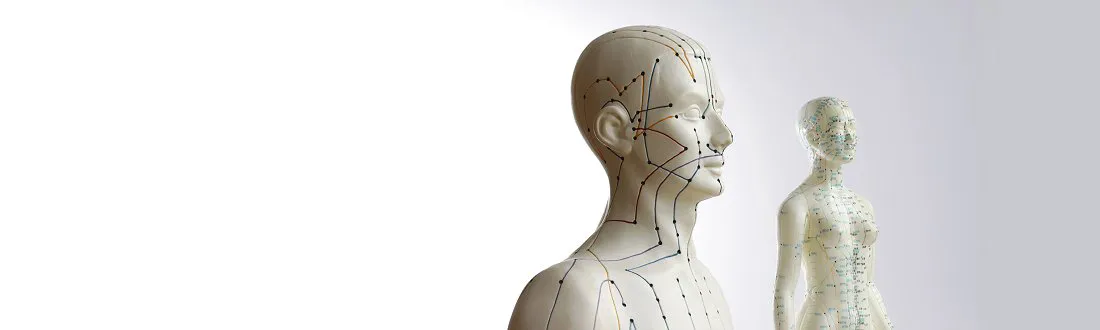
Typical treatment points include ST36 (Zusanli — Spleen/Stomach tonification), SP6 (Sanyinjiao — nourishing Yin), KI3 (Taixi — Kidney Yin), CV12 (Zhongwan — Middle Jiao), and ear points particularly the Pancreas point.
11. Lifestyle and exercise
- Walk after meals — even 10–15 minutes after eating significantly blunts blood glucose spikes. The single most-effective free intervention.
- Resistance training 2–3 times a week — building muscle dramatically improves insulin sensitivity. Muscle is the body’s main glucose sink.
- Sleep 7–9 hours — one night of poor sleep produces insulin resistance equivalent to several weeks of bad diet. Acupuncture for insomnia can help.
- Manage stress — chronic cortisol elevation drives blood glucose up. See cortisol and stress.
- Eat your largest meal at midday — aligning with the Spleen’s peak energy time in Chinese medicine (and with modern circadian-rhythm research).
- Intermittent fasting can help some patients, though it’s not suitable for everyone — see intermittent fasting in TCM.
12. Combining TCM with conventional treatment
TCM is not a replacement for conventional diabetes care. If you have been diagnosed with type 2 diabetes, you should:
- Keep working with your doctor and diabetes nurse
- Continue prescribed medications (metformin, etc.) unless your doctor reduces them based on improving HbA1c
- Monitor your HbA1c regularly (typically every 3–6 months) — this is the objective measure of whether interventions are working
- Tell your acupuncturist/herbalist what medications you are on
- Tell your doctor that you are using Chinese herbs — some interact with diabetes medication
Patients who combine careful dietary change, targeted Chinese herbs, regular acupuncture and prescribed metformin often see HbA1c drop significantly over 6–12 months — sometimes enough that medication can be reduced or discontinued (always with the diabetes team’s agreement). Putting type 2 diabetes into remission is a realistic goal for many newly-diagnosed patients.
13. When to seek help
If you have any of the following, see your doctor for a fasting glucose or HbA1c test:
- Excessive thirst that doesn’t go away
- Frequent urination, especially at night
- Constant hunger despite eating normally
- Unexplained weight loss
- Recurrent thrush or skin infections
- Dark velvety patches of skin (neck, armpits, groin)
- Slow-healing cuts
- Family history of type 2 diabetes plus central weight gain
If you have been told you have prediabetes or "borderline" diabetes — act now. This is the most reversible stage. Most cases of prediabetes can be reversed with dietary change alone within 3–6 months. The earlier you intervene the better the outcome.
To discuss your individual situation, the role of Chinese medicine in diabetes management, or to book an appointment in Wokingham (or an online herbal consultation for elsewhere in the UK), contact me.
Frequently asked questions
Can type 2 diabetes really be reversed by diet?
Yes — particularly in the prediabetic and early-diabetic stages. The DiRECT trial (Lancet 2018) showed 46% remission at 12 months on a structured low-calorie diet, and 64% at 6 years in those who maintained the weight loss. Bariatric surgery achieves 60–80% remission for the same reason (dramatic dietary change). The longer diabetes has been present, and the more pancreatic function has been lost, the harder reversal becomes — but improvement is almost always possible.
Is type 2 diabetes hereditary?
There is a genetic component — particularly in Indian, African-Caribbean and East Asian populations — but genes account for only 30–40% of risk. Environment (overwhelmingly diet) accounts for the rest. A family history means you should be more vigilant about diet, not that you are doomed to develop diabetes.
What’s the difference between type 1 and type 2 diabetes?
Type 1 is an autoimmune condition where the body destroys its own insulin-producing cells, usually diagnosed in childhood or young adulthood. It is not diet-related, not reversible, and requires lifelong insulin. Type 2 is insulin resistance plus eventual pancreatic exhaustion, usually develops slowly in adulthood from dietary and lifestyle factors, and is largely reversible. This article is about type 2.
Should I take berberine instead of metformin?
Berberine (the active compound in Huang Lian) has similar effects to metformin in clinical trials. However, you should never replace a prescribed medication without your doctor’s agreement. Berberine can be used alongside metformin, often allowing the metformin dose to be reduced over time as HbA1c improves — but this should be done with monitoring. Berberine also has some side effects (mainly digestive) and interactions with other drugs.
Can acupuncture lower my HbA1c?
Acupuncture alone produces modest improvements in HbA1c — typically a few mmol/mol. The bigger effect is via the indirect benefits: better sleep, lower stress, reduced cravings, improved insulin sensitivity. Acupuncture as part of a broader programme of dietary change, exercise and Chinese herbs is much more effective than acupuncture in isolation.
Are sweet fruits like bananas and grapes off-limits?
Not entirely, but they should be eaten in moderation and ideally with protein or fat to slow absorption. Berries (blueberries, raspberries, strawberries), apples and pears are lower glycaemic options. Tropical fruits (mango, pineapple, banana) and dried fruits (dates, raisins) should be limited. Fruit juice should be avoided altogether.
How long until I see results?
Blood glucose responds quickly to dietary change — you can see improvements in fasting glucose within 2–4 weeks. HbA1c reflects the average over 3 months, so meaningful changes show up at the 3-month re-test. Most patients who commit to dietary change see significant HbA1c reduction by 6 months. Sustained reversal requires sustained change.
What about GLP-1 drugs like Ozempic?
GLP-1 receptor agonists (Ozempic, Wegovy, Mounjaro) work and are appropriate for many patients. They are not, however, a substitute for dietary change — people who come off them often regain weight and glucose dysregulation returns. They are best thought of as a tool to support a deeper lifestyle change, not a permanent solution. See GLP-1 / Ozempic and TCM support.
References
The studies referenced in the body of this article:
- Lean MEJ, Leslie WS, Barnes AC, et al. Primary care-led weight management for remission of type 2 diabetes (DiRECT): an open-label, cluster-randomised trial. Lancet 2018;391(10120):541–551.
- Lean MEJ, Leslie WS, Barnes AC, et al. Durability of a primary care-led weight-management intervention for remission of type 2 diabetes: 2-year results of the DiRECT open-label, cluster-randomised trial. Lancet Diabetes Endocrinol 2019;7(5):344–355.
- Schauer PR, Bhatt DL, Kirwan JP, et al. Bariatric surgery versus intensive medical therapy for diabetes — 5-year outcomes. N Engl J Med 2017;376(7):641–651.
- Almgren P, Lehtovirta M, Isomaa B, et al. Heritability and familiality of type 2 diabetes and related quantitative traits in the Botnia Study. Diabetologia 2011;54(11):2811–2819.
- Ramachandran A, Snehalatha C, Ma RCW. Type 2 diabetes in South Asians: similarities and differences with white Caucasian and other populations. Annals of the New York Academy of Sciences 2013;1281:51–63.
- Sattar N, Gill JMR. Type 2 diabetes in migrant south Asians: mechanisms, mitigation, and management. Lancet Diabetes Endocrinol 2015;3(12):1004–1016.
- International Diabetes Federation. IDF Diabetes Atlas, 10th edition. Brussels: International Diabetes Federation; 2021.
- Yin J, Xing H, Ye J. Efficacy of berberine in patients with type 2 diabetes mellitus. Metabolism 2008;57(5):712–717.
- Lan J, Zhao Y, Dong F, et al. Meta-analysis of the effect and safety of berberine in the treatment of type 2 diabetes mellitus, hyperlipemia and hypertension. J Ethnopharmacol 2015;161:69–81.
- Krawinkel MB, Keding GB. Bitter gourd (Momordica charantia): a dietary approach to hyperglycemia. Nutrition Reviews 2006;64(7):331–337.
- Khan A, Safdar M, Ali Khan MM, Khattak KN, Anderson RA. Cinnamon improves glucose and lipids of people with type 2 diabetes. Diabetes Care 2003;26(12):3215–3218.
- Gupta A, Gupta R, Lal B. Effect of Trigonella foenum-graecum (fenugreek) seeds on glycaemic control and insulin resistance in type 2 diabetes mellitus: a double blind placebo controlled study. J Assoc Physicians India 2001;49:1057–1061.
- Mudra M, Ercan-Fang N, Zhong L, Furne J, Levitt M. Influence of mulberry leaf extract on the blood glucose and breath hydrogen response to ingestion of 75 g sucrose by type 2 diabetic and control subjects. Diabetes Care 2007;30(5):1272–1274.
- Asai A, Nakagawa K, Higuchi O, et al. Effect of mulberry leaf extract with enriched 1-deoxynojirimycin content on postprandial glycemic control in subjects with impaired glucose metabolism. Journal of Diabetes Investigation 2011;2(4):318–323.
- Liang F, Koya D. Acupuncture: is it effective for treatment of insulin resistance? Diabetes, Obesity and Metabolism 2010;12(7):555–569.
- Johnston CS, Kim CM, Buller AJ. Vinegar improves insulin sensitivity to a high-carbohydrate meal in subjects with insulin resistance or type 2 diabetes. Diabetes Care 2004;27(1):281–282.
- Reynolds AN, Mann JI, Williams S, Venn BJ. Advice to walk after meals is more effective for lowering postprandial glycaemia in type 2 diabetes mellitus than advice that does not specify timing: a randomised crossover study. Diabetologia 2016;59(12):2572–2578.
Related reading
- How to lower blood sugar naturally
- GLP-1 / Ozempic and TCM support
- Chinese medicine for weight loss
- Hormonal weight gain
- Gestational diabetes
- Chinese food therapy
To discuss type 2 diabetes management with Chinese medicine, or book an appointment, contact me or book a consultation at my Wokingham, Berkshire clinic.















